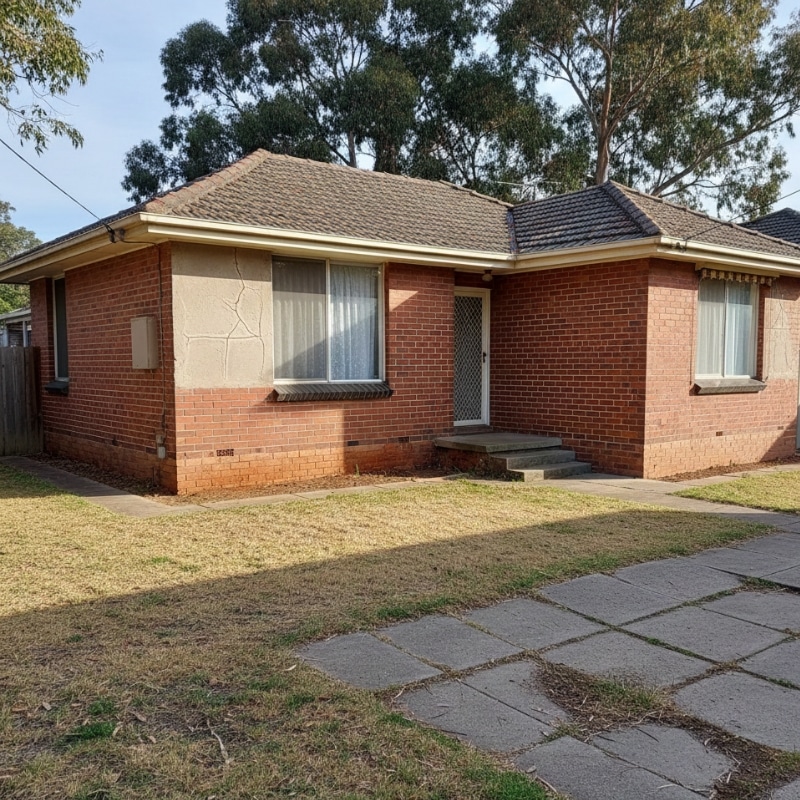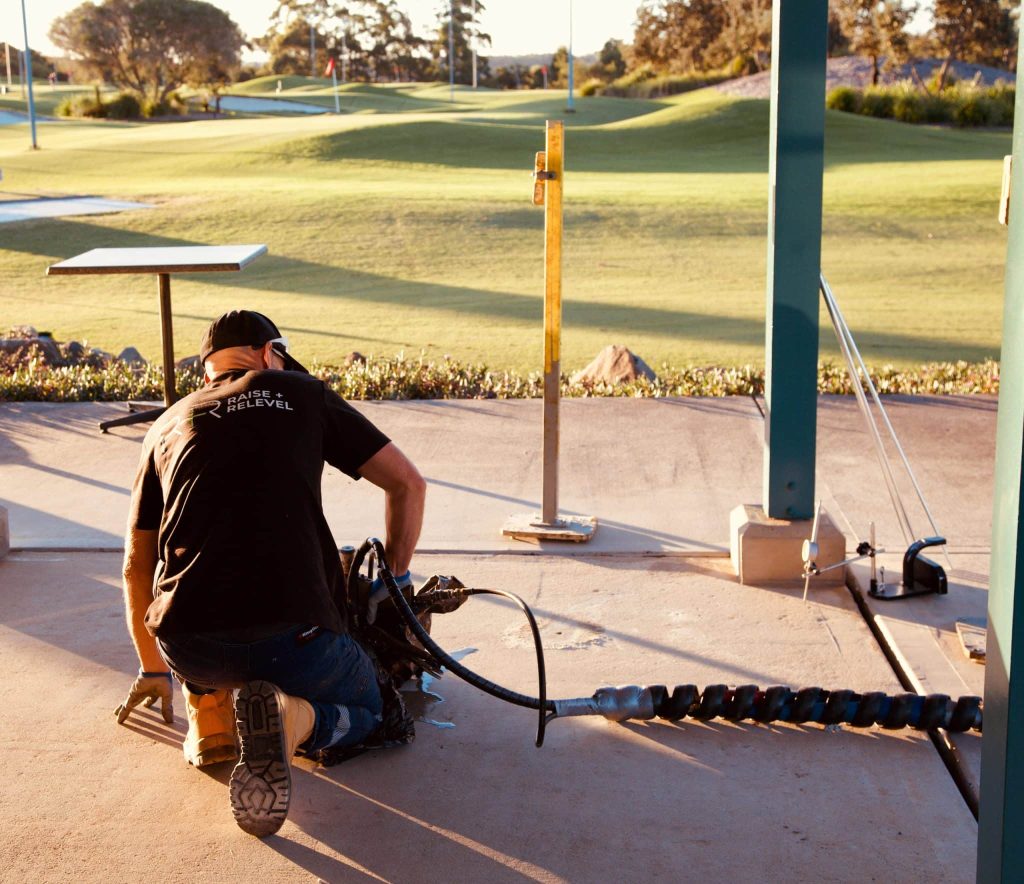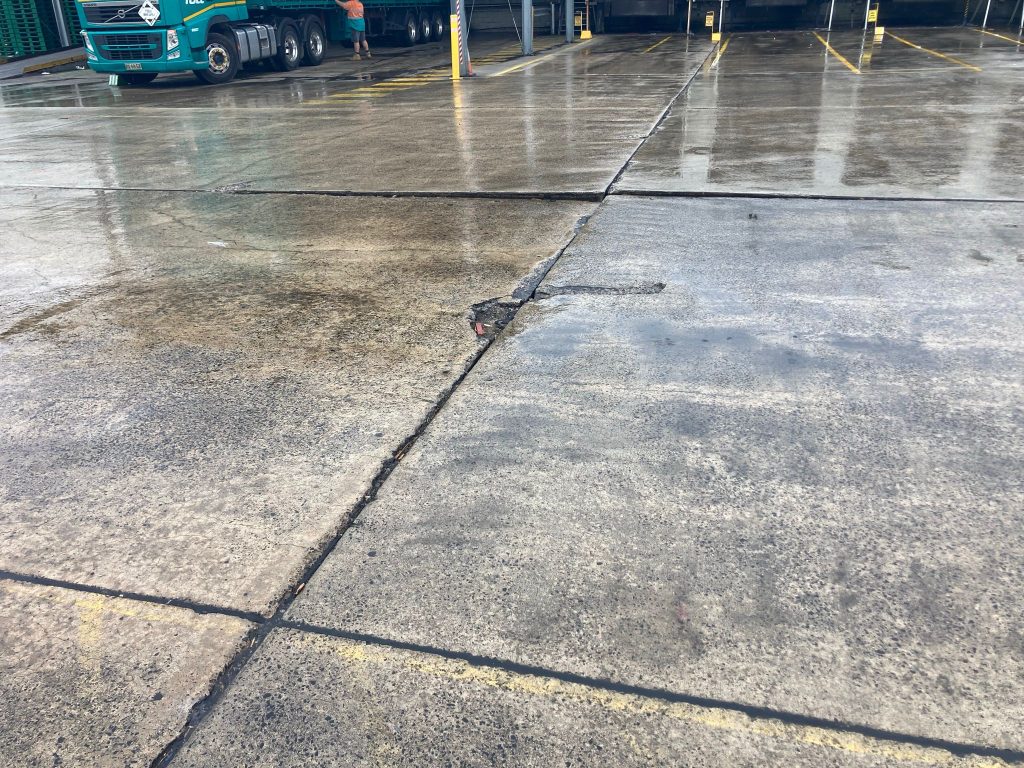
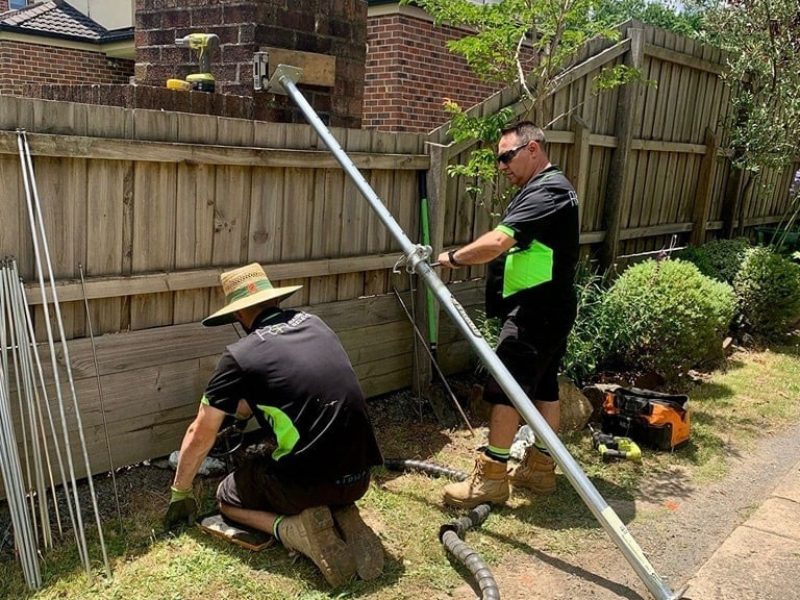
No single foundation repair method suits every home. The right choice depends on whether the problem affects a concrete slab, load-bearing footing, stump, pier, or the supporting ground itself. Slab jacking is less invasive than many structural repairs, but underpinning addresses a different problem entirely, and drainage, soil, and plumbing conditions all affect the result. Cost should only be compared once suitable methods have been identified.
| Quick answer
The right foundation repair depends on what has moved and why. Slab jacking can lift and re-support suitable sunken concrete, while underpinning or piling may be needed when load-bearing footings require deeper structural support. Concrete replacement may be more appropriate when the slab itself is badly deteriorated. A site inspection should identify the cause before a repair method is selected. Slab jacking: suitable for some settled but otherwise serviceable slabs. Resin injection: selected void-filling, ground-improvement and lifting applications. Underpinning: adds support beneath inadequate footings. Screw piles: transfer loads to suitable material at depth. Replacement: for slabs that can’t reliably be repaired. Drainage or plumbing repair: needed when water is contributing to the movement. |
What Foundation Problems Can Affect an Australian Home?
Visible damage can indicate movement, but it can’t establish the cause or the required repair method on its own.
Signs to investigate
- Widening or recurring wall cracks
- Stepped cracks through masonry
- Uneven or sloping floors
- Sticking doors and windows
- Gaps around frames, cornices, or skirting
- Sunken driveways, paths, or patios
- Water pooling on concrete
- Separation between building elements
- Cracked or displaced footings
- Movement following flooding, drought, excavation, or plumbing leaks
Potential causes
- Poorly compacted fill
- Soil consolidation
- Reactive soil movement
- Erosion or washout
- Plumbing or drainage leaks
- Inadequate stormwater management
- Unsuitable original foundation design
- Deteriorated stumps or footings
- Changed structural loads
- Tree-related moisture changes
- Nearby excavation
- Mine subsidence or unstable ground in relevant areas
Some cracking and movement may be minor or seasonal. Severity depends on the pattern, displacement, rate of change, construction type, and surrounding conditions, not crack width alone. A non-structural slab can settle independently of the house footings, and sticking doors may result from causes unrelated to foundations at all. Water can create or worsen voids beneath concrete, so cosmetic repairs shouldn’t precede diagnosis of active movement. Photographs and dated measurements can help track whether a problem is getting worse.
What Are the Main Types of Foundation Repair?
“Foundation repair” covers several distinct methods, each solving a different structural problem.
| Repair Method | Primary Purpose | Typical Application |
| Slab jacking | Lift and re-support settled concrete | Driveways, paths, garage floors, and suitable slabs |
| Resin injection | Fill voids, improve selected ground zones, or provide controlled lifting | Suitable settlement and ground conditions |
| Concrete levelling | Restore usable levels and transitions | Sunken or uneven concrete |
| Mass concrete underpinning | Extend or strengthen footing support | Load-bearing foundations |
| Screw pile underpinning | Transfer structural loads to suitable material at depth | Deep instability or inadequate shallow support |
| Restumping | Replace or adjust failed stump supports | Raised timber-framed homes |
| Concrete replacement | Remove and rebuild unusable concrete | Severely cracked or deteriorated slabs |
| Drainage or plumbing repair | Address contributing water problems | Leaks, ponding, erosion, or washout |
One property may need more than one treatment. Drainage might need correcting before concrete slab lifting or underpinning can proceed. Levelling, stabilisation, and structural strengthening are different outcomes, and resin injection isn’t structurally equivalent to concrete or pile underpinning in every application. Underpinning strengthens foundation support but doesn’t automatically repair wall finishes, and replacement creates a new slab but won’t prevent recurrence if the base problem remains. Where a structural foundation is involved, the selected method should establish a clear load path.
When Is Slab Jacking a Suitable Foundation Repair Method?
Slab jacking, as detailed in our concrete levelling guide, may be suitable when a concrete slab has settled but remains intact enough to be lifted and re-supported.
Suitable conditions
- Localised slab settlement
- Voids beneath an otherwise serviceable slab
- Poorly compacted supporting material
- Washout or erosion that can be controlled
- Uneven driveway or garage panels
- Sunken paths and patios
- Situations where demolition would cause unnecessary disruption
- Concrete with limited cracking that can move as a stable unit
Situations where slab jacking may not be appropriate
- Severely fragmented concrete
- Extensive spalling or deterioration
- Corroded reinforcement
- Inadequate slab design
- Deep or continuing ground instability
- Failed load-bearing footings
- Unresolved plumbing or drainage problems
- Required lifting outside safe tolerances
- A need for a new structural load path
Slab jacking can stabilise concrete without returning it perfectly to its original level, and a small surface depression may conceal a larger underground void. Underground services affect where injection can happen, and controlled lifting requires measurement throughout installation. Filling a void doesn’t automatically resolve whatever caused it in the first place.
How Does Slab Jacking Work?
Typical process
- Inspect the slab and surrounding site
- Measure settlement, levels, and drainage falls
- Identify voids, weak areas, and underground services
- Establish injection locations
- Drill small access holes
- Inject grout or expanding resin in controlled stages
- Monitor the slab’s response
- Stop at the specified support or lifting outcome
- Seal the injection points
- Complete final measurements
Slab jacking methods
Cementitious grout: a grout mixture is pumped beneath the slab to fill voids and create lifting pressure.
Expanding resin: structural resin expands beneath the slab to fill selected voids and allow controlled movement. Not every resin treatment amounts to underpinning; the two solve different problems.
Material selection depends on the slab, void, soil, water, and load involved, and the lifting sequence influences the result as much as the material itself. Injection pressure must be controlled throughout, and exact restoration of original levels may be neither possible nor desirable. Garage doors, thresholds, walls, pipes, and adjoining concrete can all restrict how far a slab can safely be lifted. Where the ground itself needs improving rather than just the slab, resin injection underpinning is worth discussing as a separate option.
How Much Does Foundation Repair Cost?
Foundation repair cost varies substantially because methods are priced differently. Slab lifting may be priced per square metre or project, while underpinning is commonly priced per pier, underpin, or linear metre. Reliable, current Australian pricing for each method requires confirmed company or market data rather than general estimates, so specific dollar figures aren’t published in this guide. The lower per-m² rate sometimes quoted for new concrete can also exclude demolition, disposal, excavation, base preparation, reinforcement, drainage changes, access constraints, and surface matching, so a low headline figure rarely reflects the full project cost.
Main cost drivers
- Repair method
- Extent of movement
- Number and depth of support points
- Soil conditions
- Structural loads
- Access
- Void or resin volume
- Required lifting
- Underground services
- Engineering and soil investigation
- Plumbing or drainage work
- Demolition and disposal
- Surface reinstatement
- Location and contractor travel
Per-m² and per-pier prices shouldn’t be compared directly, since they price fundamentally different scopes of work. Minimum project charges can make small slab-jacking jobs expensive on a per-square-metre basis, and quotes for different methods may promise different outcomes even at similar headline prices. The least expensive technically suitable method usually offers the best value, but a cheaper repair can become costly if it only addresses the symptom rather than the cause.
How Do Slab Jacking, Underpinning, and Replacement Compare?
| Comparison Factor | Slab Jacking | Underpinning or Piering | Slab Replacement |
| Main purpose | Lift or re-support suitable concrete | Add structural foundation support | Remove and reconstruct concrete |
| Excavation | Usually limited | Often required | Required |
| Disruption | Generally low | Moderate to high | High |
| Completion time | Often shorter | Usually longer | Includes demolition and curing |
| Existing concrete | Must remain serviceable | May remain in place | Removed |
| Structural capacity | Application-specific | Engineered for foundation loads | Depends on new design |
| Surface appearance | Retains existing concrete | Usually doesn’t replace surface finishes | Provides a new surface |
| Best suited to | Suitable settled slabs | Inadequate load-bearing footings | Severely damaged slabs |
| Main limitation | Cannot solve every foundation failure | Cost, access, and disruption | Demolition, waste, and curing |
Scenario recommendations
Intact sunken driveway: investigate concrete slab jacking or concrete levelling.
Localised void beneath a garage floor: consider injection and controlled lifting.
Failed load-bearing footing: assess underpinning or piling.
Raised home with failed stumps: investigate restumping.
Fragmented or crumbling slab: consider replacement.
Active plumbing leak: repair the leak before or alongside structural work.
Conflicting recommendations: seek independent structural advice.
How Do You Choose the Right Foundation Repair for Your Property?
Method selection should begin with diagnosis, not with the contractor’s preferred product.
Decision framework
- Identify which building element has moved
- Determine whether it is structural
- Measure settlement and displacement
- Examine cracks and concrete condition
- Investigate plumbing, drainage, and erosion
- Review soil and property information
- Determine whether movement is active
- Define whether the goal is lifting, stabilisation, strengthening, or replacement
- Compare only technically suitable methods
- Request itemised quotes based on the same outcome
Questions to ask the provider
- What caused the movement?
- What evidence supports the diagnosis?
- Is the affected element load-bearing?
- Is movement active or historic?
- Why is the recommended method suitable?
- What alternatives were considered?
- Will the repair lift, stabilise, strengthen, or replace the affected element?
- Does the quote include engineering and approvals?
- How will movement be monitored?
- What result can realistically be achieved?
- What does the warranty cover and exclude?
- What happens if site conditions differ from expectations?
A contractor offering one system may not assess every possible method, and soil classification alone doesn’t diagnose existing damage. Structural and geotechnical assessments answer different questions, and drainage or plumbing investigations may be a necessary step before any structural work begins. Significant, progressive, or disputed damage may justify independent engineering advice, separate from whoever ends up doing the repair. For a closer look at structural foundation problems and how they’re diagnosed, see our dedicated guide.
The Bottom Line
Foundation repair should match the cause and the affected building element, not the other way around. Slab jacking is suitable for some settled but serviceable concrete. Underpinning or piling may be required for inadequate load-bearing foundations. Replacement is often preferable when concrete is extensively damaged. Cost should only be compared once technically suitable methods have been identified, and an inspection with a written diagnosis provides the strongest basis for a decision.
Arrange a foundation assessment, and request a written explanation of the movement’s cause before approving any work. Compare concrete lifting, underpinning foundations, and replacement against the same defined outcome, obtain an itemised quote, and ask for the intended repair result to be clearly stated upfront. Larger commercial or civil engineering foundation repair projects should follow the same diagnose-first approach, scaled to the structure involved. Raise and Relevel can help confirm which method actually fits your property.
Frequently Asked Questions
Is concrete lifting the same as slab jacking?
Yes, concrete lifting and slab jacking generally refer to the same process: raising and re-supporting a settled concrete slab by injecting grout or resin beneath it. Both terms are used somewhat interchangeably in the industry, though “concrete lifting” is sometimes used more broadly to include resin injection and other lifting techniques. The important distinction isn’t the terminology but whether the specific slab is actually suitable for this kind of repair, which depends on its condition and the cause of the settlement, not just what the process is called.
How much does slab jacking typically cost?
Costs vary significantly depending on the affected area, settlement depth, void volume, access, and whether resin or grout is used, so a single national figure isn’t a reliable guide. Slab lifting is commonly priced per square metre or per project, while structural or whole-home treatments are usually quoted as a project. Small jobs are often affected by contractor minimum charges rather than area alone. An on-site inspection and a written, itemised quote remain the only reliable way to get an accurate figure for your property.
How long do concrete lifting repairs last?
There’s no universal lifespan for concrete lifting or any foundation repair method. Durability depends on the material used, how well voids and weak zones were identified, soil conditions, and whether the original cause, such as a leak or drainage issue, was also corrected. An uncorrected cause is the most common reason a repair doesn’t hold, not the lifting process itself. Ask your contractor what durability factors were considered for your specific site and repair design.
Can slab jacking fix serious foundation damage?
Not reliably. Slab jacking suits settlement and void-related slab problems, but it isn’t designed to correct severely cracked or deteriorated concrete, inadequate footing capacity, or deep, continuing ground instability. Where a new structural load path is needed, underpinning or piling is usually required instead. A proper diagnosis, not a visual check, is the only reliable way to confirm whether slab jacking is appropriate for the extent of damage on your property.
When should a sunken slab be replaced instead of lifted?
Replacement is generally preferable when the concrete is severely fragmented, extensively spalling, or has corroded reinforcement, since lifting a damaged slab can raise pieces unevenly rather than restoring a stable surface. It’s also the better option when the required lifting exceeds safe tolerances, or when the underlying design or drainage falls need to be rebuilt rather than adjusted. An assessment of the concrete’s condition, not just how far it has settled, should guide the decision between lifting and replacing it.