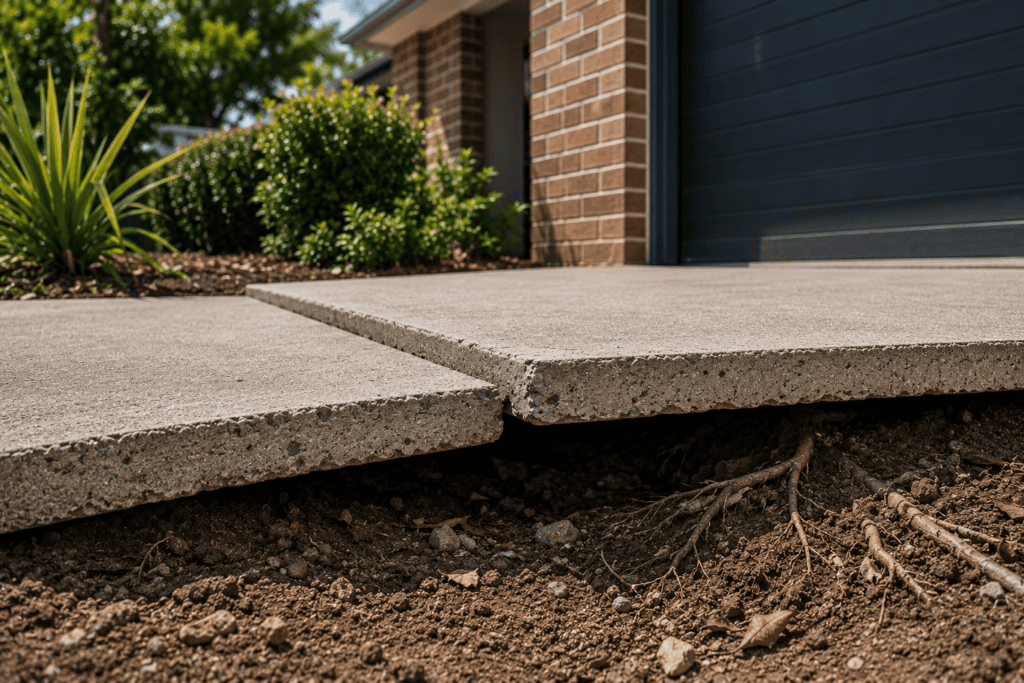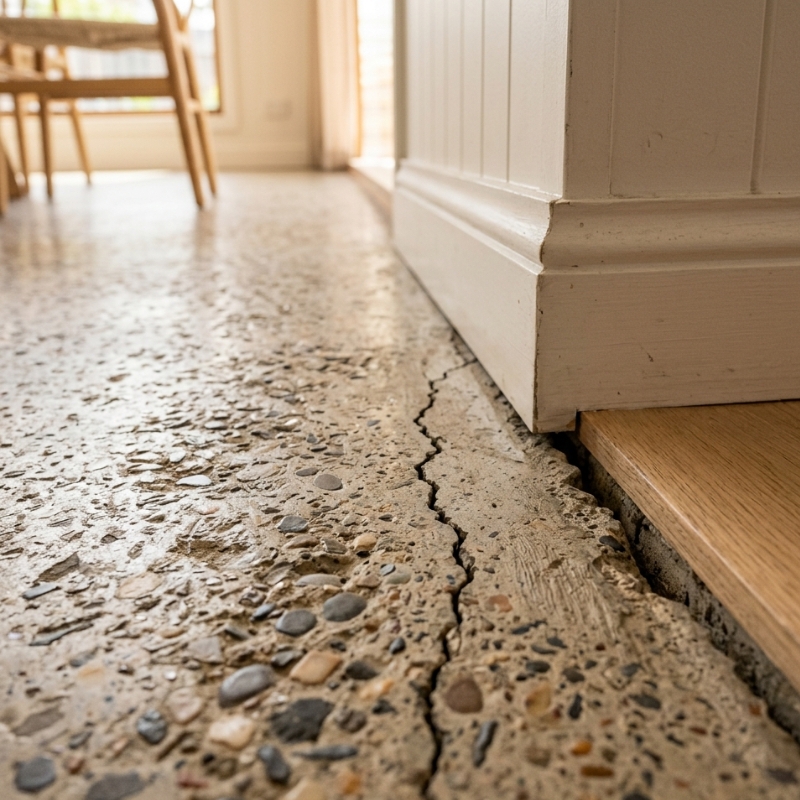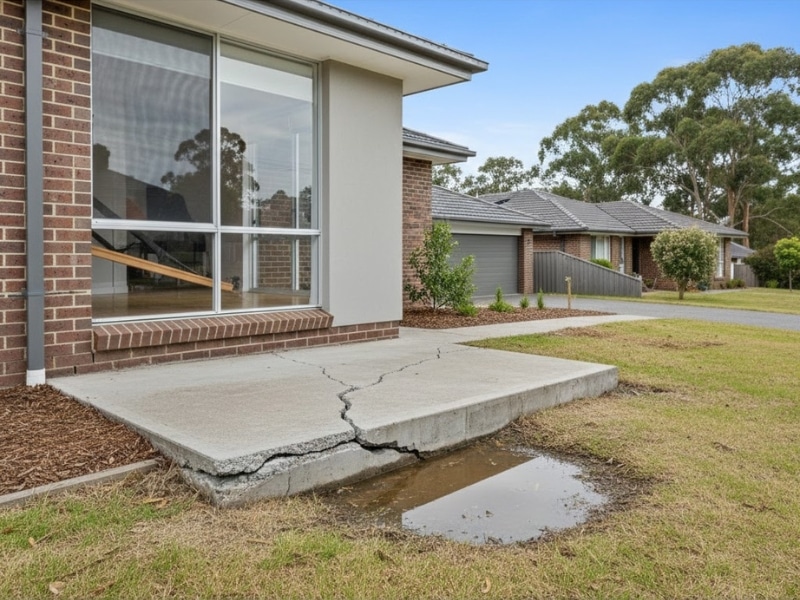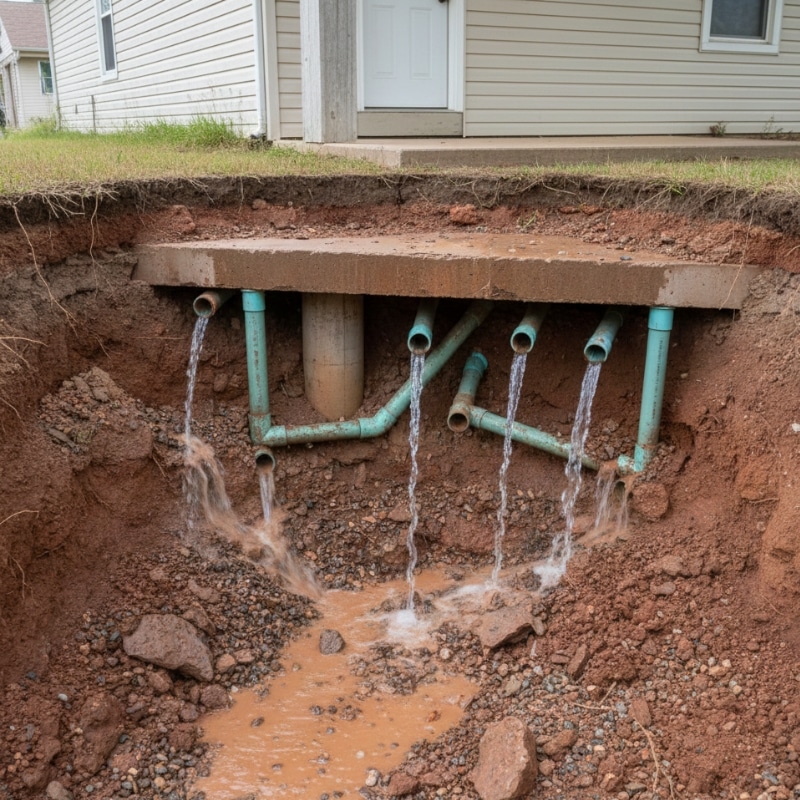
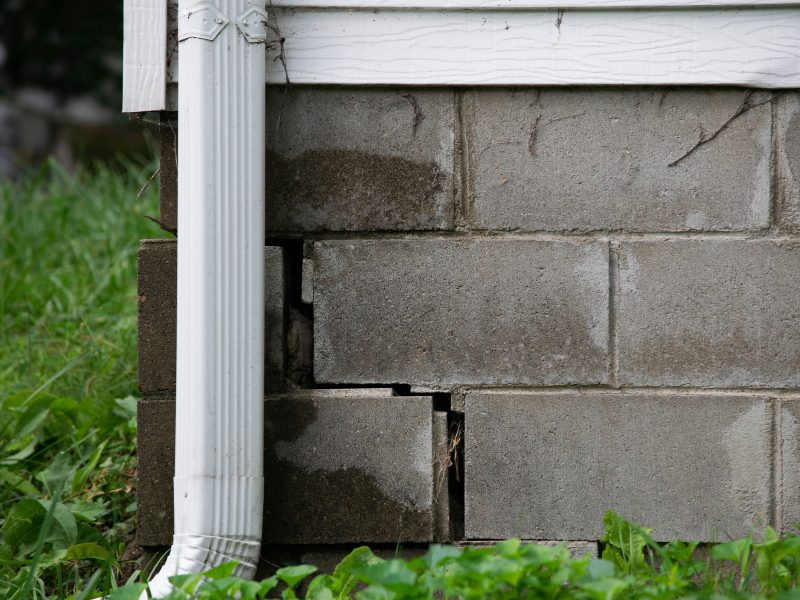
A shifting foundation is a relatively common problem in Australian homes, especially if the property is located in an area with reactive clay or sandy soil. In fact, a major study of Australian households found that 11% of people are currently dealing with major structural problems in their homes.
It’s hard not to worry when you discover that there’s a crack in your wall, an area of your floor is beginning to sag, or a door or window is suddenly sticking. However, signs of foundation issues, such as sinking floors and soil movement, don’t automatically spell disaster. Modern advancements in house relevelling make it far easier (and more affordable) to restabilise your home and ensure its structural integrity — and your safety — for years to come.
If you’re noticing signs of potential foundation problems, we’re here to help. In this guide, we’ll explain what house relevelling is and cover the different approaches on offer. We’ll also cover the costs associated with a typical house relevelling project, as well as explain when it’s necessary and when it isn’t.
How house relevelling works
House relevelling is a process that requires the help of qualified and experienced groundwork engineers. It begins with a full assessment of your property and signs of possible problems, including uneven floors, cracks in walls and obvious foundation movement.
Your groundwork engineer will use a range of tools to assess sticking or jammed doors, as well as measure cracks in the walls, gaps around windows and uneven floors to establish the root cause, and to assess which foundation repair solutions are needed.
These can include lifting or adjusting sections of the house to deliver targeted foundation repairs or house relevelling techniques, such as repacking or replacing foundation stumps or piers, to gradually correct the home foundation and bring it back into balance for the long term.

Why is house relevelling important for Australian homes?
House relevelling can resolve what is causing cracks and jammed doors, but it addresses far more than cosmetic problems. It ensures your property is safe for you and your family for years to come.
For a property to be safe, it must have structural integrity, and the foundations must remain stable and secure. If your groundwork engineer identifies a structural issue in your foundation, choosing to relevel your house is a solid investment for the future.
Prevent damage from escalating
The earlier you tackle any issues with foundation movement, settlement, voids or subsidence, the easier it is to fix them and prevent the situation from worsening.
Restore safety and livability
There’s a reason you can’t inhabit a building that is structurally unsound – it’s always at risk of collapse. You must prioritise safety and fix structural issues at the first possible opportunity.
Tackle cosmetic damage
Sometimes, your groundwork engineer will assess cracks and confirm that they’re only cosmetic issues. In this case, repairing the cracks will help to restore the aesthetic of your home, and you’ll have peace of mind that there’s no bigger issue brewing in the foundation.
Reduce long-term costs
Early home relevelling interventions tend to be more affordable than invasive and substantial foundation remediation jobs that are required when problems haven’t been addressed in the early stages. For the lowest foundation levelling cost, act early.
Keep your home insurance valid
If you don’t tackle issues such as subsidence, your home insurance may become invalid. This means that if your home experiences later structural damage, you may have to cover the cost (including any legal claims from third parties) yourself.
Prepare the home for renovations or extensions
If you’re considering a renovation or extension, it’s important to ensure your foundation is secure, robust and adequate for this work. Always consult a suitably skilled assessor, such as Raise + Relevel, for a thorough inspection and assessment you can trust.
What types of homes typically need relevelling?
There is no ‘typical’ house or building that tends to need relevelling, as foundation issues can affect all kinds of properties, depending on the ground conditions, original build quality, nearby disturbances (such as mining or construction) or even weather events.
The sorts of homes we typically deliver home relevelling services to include timber stump homes, concrete stump homes, slab-on-ground homes or hybrid and mixed foundation homes.
If you’re not sure which type of foundation your property is built on, one of our professional groundwork engineers can assess it and tell you.
How much does house relevelling cost in Australia?
There are four key factors influencing the cost of a house relevelling project, including:
- The size of the house
- The scale of the problem
- The type of foundation and the technology or approach used to fix it
- The accessibility of the target area
For example, a minor adjustment to the foundation slab or a partial relevelling/stump replacement will invariably be quicker, easier and cheaper than a full foundation underpinning project.
A small project might cost around $3,000, and a bigger, more complicated repair job (or one with difficult access) might cost more than $30,000.
Because of the variation in foundation repair services and the accompanying costs, it’s really important that you get a trusted quote from a highly experienced firm, such as Raise + Relevel.
We have more than a century of combined experience and thousands of happy customers. Even better, the professional who comes to assess your property and quote for any necessary work will be the same person who does the work, for total continuity and peace of mind.
What are the signs that you need to consider house relevelling?
It’s vital to monitor your property and see if any cracks, gaps or sloping floors appear or get worse over time. Here are some examples of the main signs that you may need a professional house relevelling assessment:
- Sloping or uneven floors
- Bouncy or sagging floors
- Cracks in walls and ceilings, particularly long and diagonal cracks, or cracks that you can place a coin into
- Sticking or jammed doors and windows
- Gaps that appear between walls, skirting boards or floors
- Visible mortar separation and/or brick cracks
- Kitchen cabinetry or shelves that start to pull away from the walls
- Ceiling and cornice separation
- Signs of water beginning to pool around the home (which can suggest a void)
- Audible signs from shifting walls or floors
- Stump damage if your home is made from timber stumps or concrete stumps.
- Tilting window and door frames
What are the different methods of house relevelling?
There are various methods of house relevelling, and the right approach will depend on your situation and the desired end result. At Raise + Relevel, we offer the following highly effective house relevelling solutions:
- Underpinning, to physically return the slab or foundations back into position
- Steel or concrete piers, which can be replaced where broken
- Hydraulic jacking, to physically lift the slab or foundation before a concrete pour fills any void
- Slab lifting via high-tech injection methods (increasingly popular for smaller jobs and cost-effective)
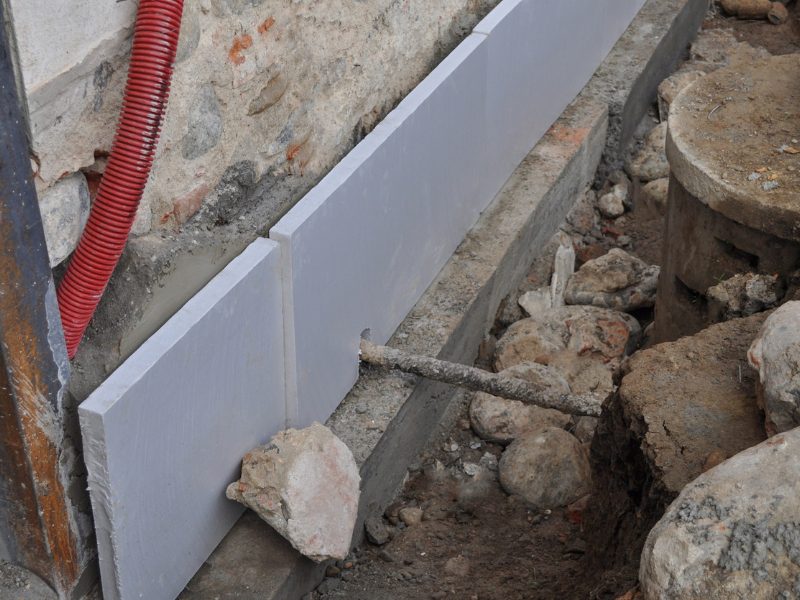
What factors affect house relevelling costs?
House relevelling costs depend on the size of the property and the foundation type, as well as the nature and extent of the damage. Other influencing factors are the site conditions (including access) and the chosen method of relevelling.
Some methods, such as polyurethane resin injections, are used with slab jacking for a cost-effective and relatively clean and easy solution for smaller jobs. Other issues might require traditional underpinning, which is more extensive.
As always, the earlier you seek professional guidance and a quick, expert resolution to the issue, the more affordable the cost will be, and the quicker you can prevent more expensive, invasive structural works later down the line.
DIY vs. hiring professionals
Some homeowners wonder whether they can handle house relevelling projects themselves, but this is a specialist area of work that must be handled by qualified, certified and accredited groundwork specialists.
House relevelling may require certification for insurance purposes, and the work requires expertise and access to cutting-edge industrial tools, preparations and machinery.
If you want to ensure your property is safe, secure, compliant and genuinely free from worsening issues, always consult a trusted professional. It’s just not worth the risk of making the problem worse with a botched DIY job or wasting time and money on an attempted and insufficient fix that then needs remediation.
Why turn to Raise + Relevel for your house relevelling jobs?
At Raise + Relevel, we are the trusted professionals for house relevelling jobs. Our friendly and skilled team has more than 100 years of combined experience and has successfully treated more than 7,000 homes, so you can rest assured that you’ll be in safe and capable hands.
We always offer the best possible service and answer all questions, explaining everything fully and transparently as we can.
We also offer exceptional warranties, including a 100-year product warranty and a 50-year workmanship guarantee. Read some of our reviews to discover why our customers were so pleased they chose us.
Protect your investment through house relevelling
If you’ve spotted any signs that your property’s foundations are in trouble, get in touch with Raise + Relevel and let us assess what’s going on and how it can be fixed.
Our skilled professionals will restore your home to full safety and stability in no time, with robust warranties, competitive prices and the best possible customer service.
FAQs
How long does house relevelling take?
Smaller house relevelling projects can take a couple of days, but more significant foundation repairs can take several weeks.
Can I live in my house during relevelling?
Again, this depends on the nature and extent of the work. If the repair work is being done in the crawl space foundations, you may be able to remain in the property. If the work is significant and requires something like a full foundation lift, you may be advised to move out until it’s complete for your safety.