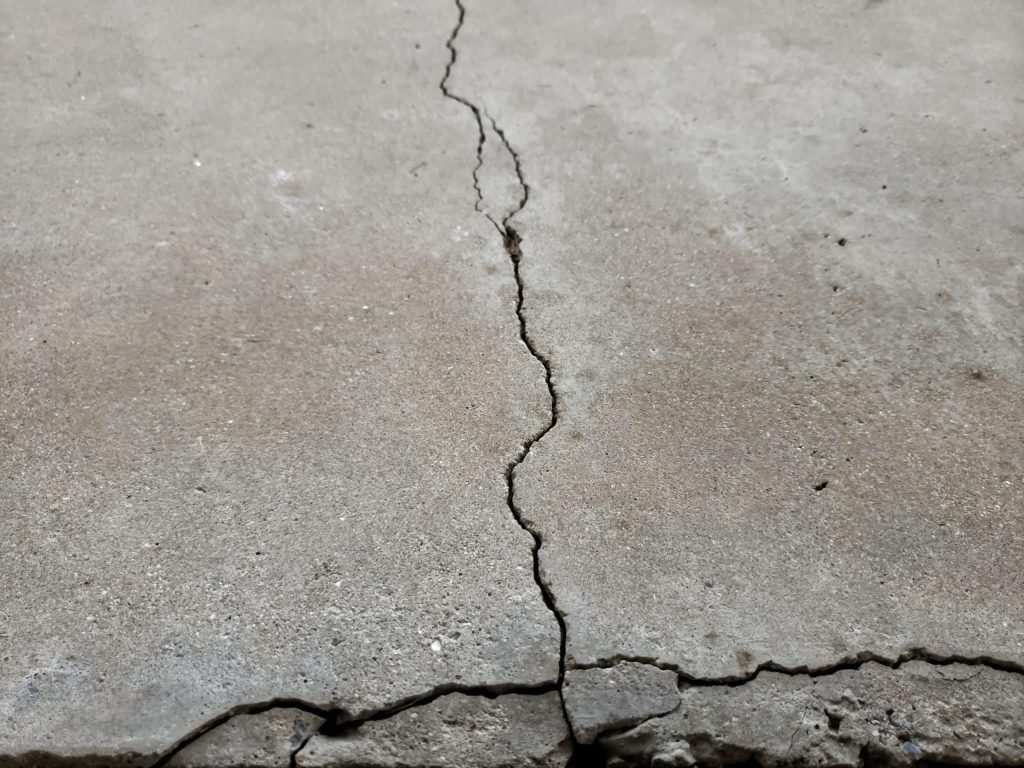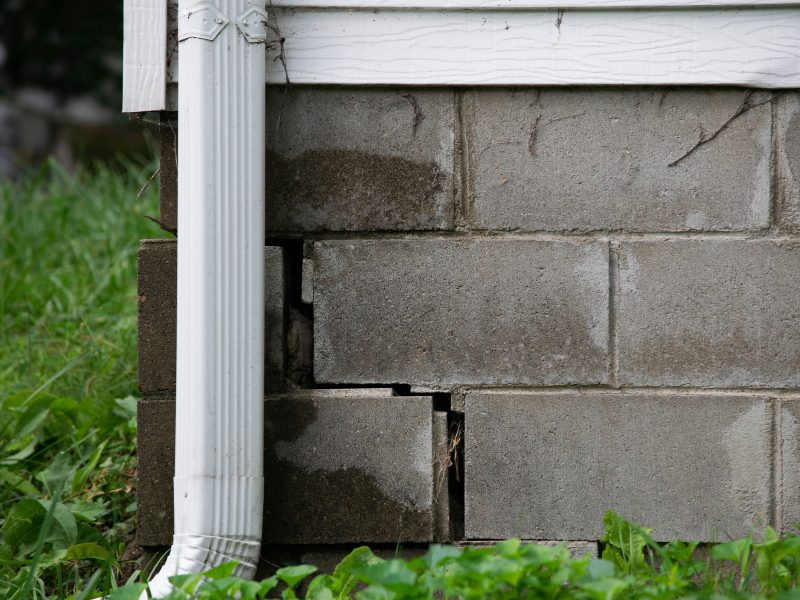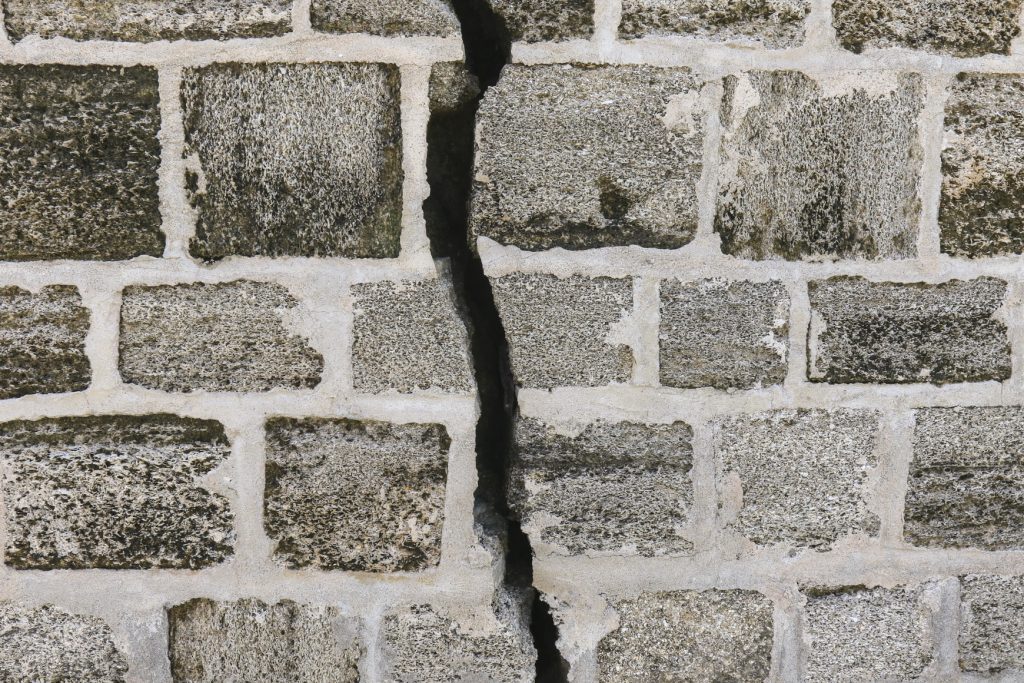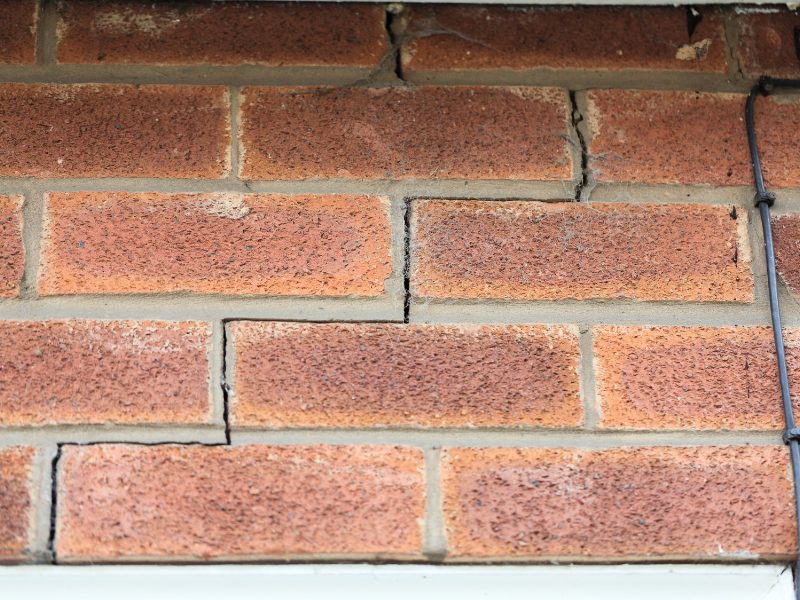
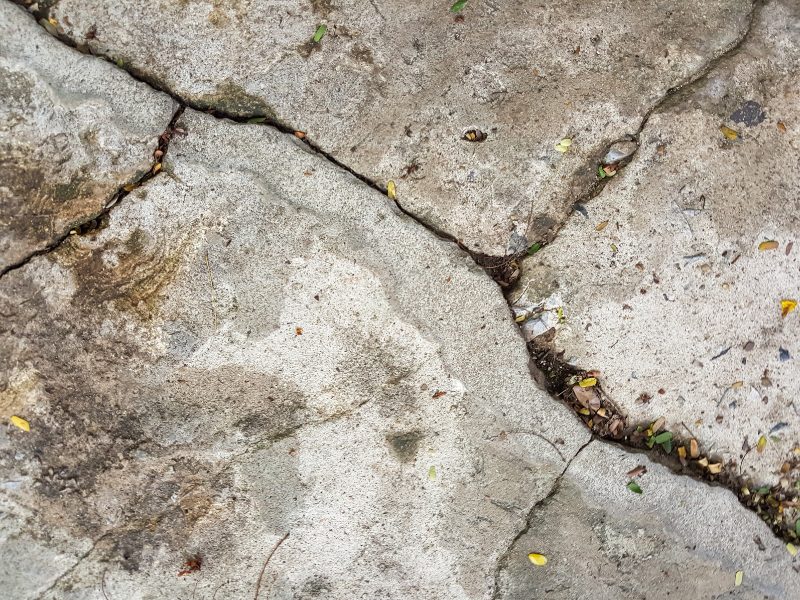
Concrete levelling is the process of restoring sunken or slipped concrete back into place, making it safe and improving its appearance. Concrete levelling methods fill the voids under concrete by either injecting a filler material or by applying a new layer of self-levelling compound to make the surface smooth again.
At Raise + Relevel, we use several methods of concrete levelling to provide extremely powerful and effective solutions for slipped or sunken concrete. Concrete levelling is often required when there is a void in the soil underneath. Let’s take a closer look.
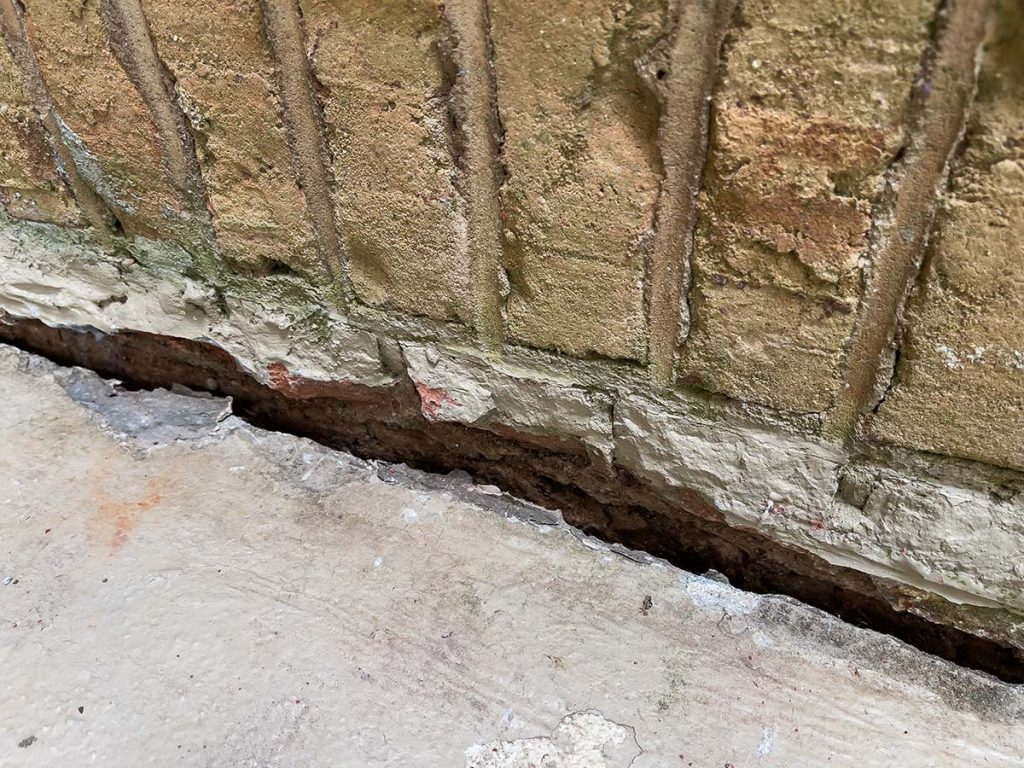
How does concrete levelling work?
Advancements in technology mean that concrete levelling no longer requires time-consuming, messy and expensive excavations.
Modern processes involves a three-step process:
- First, the ground surgeons at Raise + Relevel drill through the concrete slabs to gain access to the void underneath.
- They then pump the appropriate levelling compound through the holes to lift the slab. This compound can be made from foam, stone or mud, depending on the situation, severity of the slip, and ground underneath.
- Once the concrete slab has been lifted back into position, the engineer then seals the holes to restore the slab to its original state.
The treated area will be level, safely supported, and aesthetically pleasing again. Further treatments can be applied to enhance the surface of the concrete after levelling to achieve a desired visual effect.
What are the different types of concrete levelling?
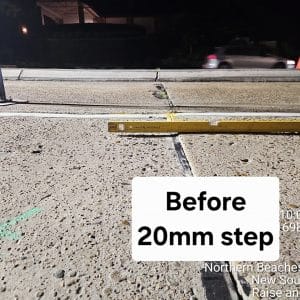
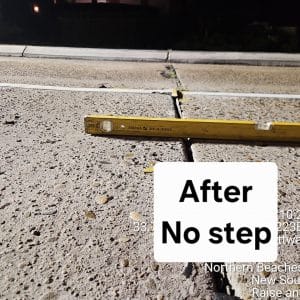
The purpose of concrete levelling is to return the concrete slab to its original position, and there are different ways to achieve this. It’s important to have a qualified and experienced ground surgeon assess the situation, as they can determine the nature and extent of the fault and correctly diagnose the right course of action.
The three main methods are:
Foam levelling (or polyjacking)
Foam levelling, also known as foam jacking or polyjacking, involves injecting a dense polyurethane foam beneath the concrete through a high-pressure nozzle. The form expands and lifts the concrete slab back into place. This is a particularly good, cost-effective solution for driveway releveling jobs.
Mudjacking
Small holes (measuring just a couple of inches) are drilled into the concrete slab. With mudjacking, a mix of water, cement and soil is injected under pressure into the void. This exerts upward hydraulic pressure, bringing the slab back into place.
Stone slurry grout levelling
With this method, the levelling compound is a mixture of cement, water and pulverised limestone. This is injected at a low pressure to fill the void, resulting in a very strong and stable foundation.
After the levelling compound of choice is pumped into the void and the concrete slab is restored to the right level, the holes are closed and sealed. If required, any additional final treatment is then applied to the driveway, patio or pavement for a perfect aesthetic finish.
Is concrete levelling expensive?
Concrete levelling is surprisingly cost-effective, especially compared to traditional excavation methods.
Of all the modern concrete levelling methods available at Raise + Relevel, mudjacking tends to be the lowest-cost solution. Stone slurry grout levelling is usually the mid-range option, and polyurethane foam concrete levelling usually costs the most because of material costs.
Beyond materials and the size of the job itself, other factors also affect the cost. These include:
- The underlying cause of the concrete slab slippage
- The degree of sink or slip in the slab
- The soil type
- The ease of accessing the affected area
The table below gives a broad idea of typical concrete levelling costs. However, to get a tailored cost for your particular project, contact Raise + Relevel. We’ll visit your property for a professional assessment and advise you on the best course of action. We’ll also answer all of your questions to ensure you have a transparent solution and a quote you can trust.
| Method | Cost range | Ballpark Figures |
| Slab relevelling using polyurethane resin | Low-Medium |
|
| Mudjacking | Medium |
|
| Stone slurry grout levelling | Med–High |
|
What are the pros and cons?
Concrete levelling offers many advantages. First, it’s a quick and efficient process, it’s minimally invasive, and the curing time is brief. It’s also extremely cost-effective, and it maintains the slab’s aesthetic appeal.
However, as with all technologies, there are some potential downsides. For example, the concrete breaks don’t completely disappear, and the outcome can be unpredictable. Furthermore, the concrete or house levelling is only as good as the underlying ground, so in some cases, additional or more invasive treatment approaches may be needed.
When not to do concrete levelling
Concrete levelling isn’t suitable in all situations. For example, if you have heavily cracked concrete, it’s old and crumbling, or it has been lifted by tree roots, another approach may be more suitable.
Similarly, if you’re looking to change the appearance, function, design or texture of the concrete itself, concrete levelling may not be the best approach.
In these situations, a professional assessment from Raise + Relevel is the best course of action. A member of our ground surgery team will visit your property to assess the issue, understand your objectives and offer the best treatments.
If more than one approach is suitable, we’ll provide all the information you need and answer all of your questions so you can make a confident decision.
How Raise + Relevel can help with concrete levelling
Raise + Relevel is here to offer the highest quality services at the most competitive prices, and our goal is to deliver complete customer satisfaction.
Our groundwork engineers have more than 100 years collectively in their field, and we offer a full spectrum of raising, filling and concrete relevelling services for domestic and commercial properties. We can effectively tackle issues that range from driveway relevelling to sinking floors and subsidence.
We’ve successfully treated more than 7,000 properties in Melbourne, Sydney and Canberra. Our quality is proven and we stand by our work, with a 100-year guarantee on Raise + Relevel resin products and a 50-year warranty on our workmanship.
Contact Raise + Relevel today for rapid service and a trusted, affordable solution for your property issues.
FAQs
Not any more, thanks to technological advancements. In the past, concrete relevelling meant excavating entire sections of sunken or slipped concrete to build it back up again. Today, modern concrete levelling involves drilling small holes into the concrete slab and injecting a levelling compound to raise the slab back into place. It’s faster, cleaner and far less invasive.
Usually, building subsidence requires a form of underpinning. Again, the best course of action is to call Raise + Relevel for a professional assessment. There are various modern, fast and effective approaches to underpinning now available, and we offer them all.
Yes. Swimming pool slabs often crack and subside over time, and concrete relevelling can effectively repair the surround, usually using polyurethane injections. Raise + Relevel has offered fast and cost-effective polyurethane resin injection services to fix hundreds of swimming pools.