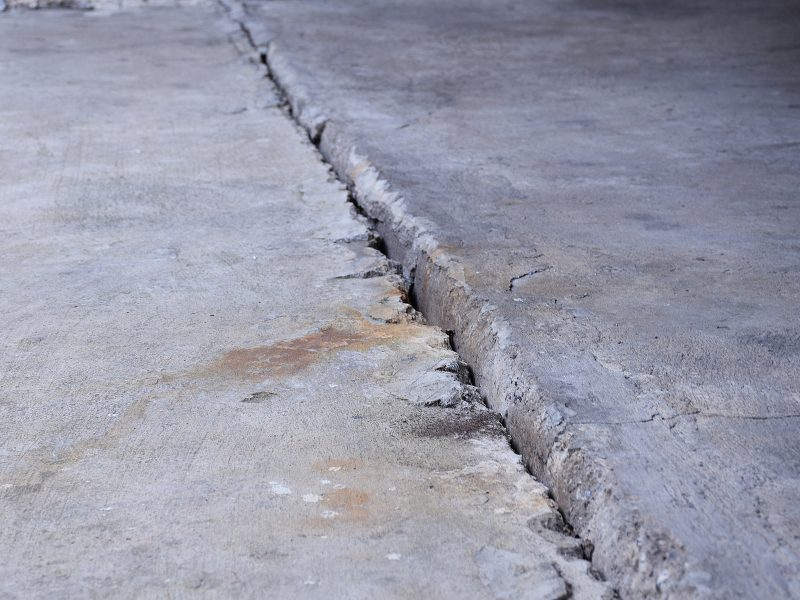
Fixing sinking concrete enhances workplace safety by eliminating uneven surfaces that can cause trips, equipment instability, and operational risks. Concrete slabs can shift, settle, or sink over time — especially under heavy loads, changes in moisture, or issues with the subgrade. In workplace settings, patch repairs or surface overlays often mask the symptoms rather than address the root cause. However, when fixing sinking concrete is done correctly, it not only improves structural integrity but also enhances worker safety. In this article, you’ll discover how addressing sinking slabs reduces trip risks, prevents equipment damage, and minimises operational downtime — all of which contribute to safer work environments across Brisbane and beyond. We’ll first explore what causes concrete to sink in commercial sites, then the hazards that uneven surfaces pose. From there, you’ll learn how slab jacking techniques work, which industries gain the most, and how polyurethane injection delivers long‑term benefits. Finally, I’ll wrap up with key takeaways you can act on today.
What causes concrete slabs to sink in workplace settings?
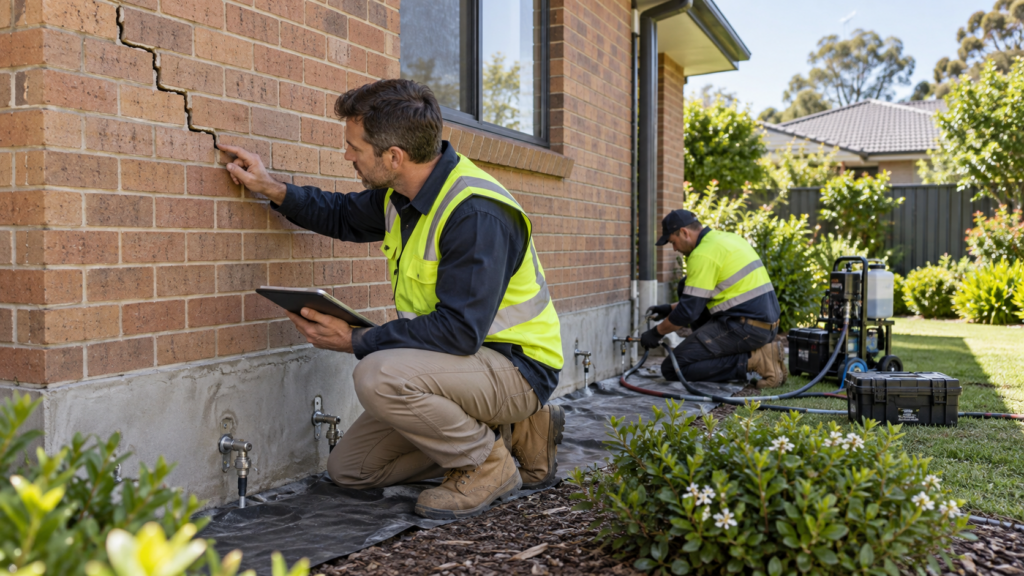
Sinking concrete in workplaces is often caused by underlying soil instability, moisture movement, and inadequate compaction during the construction process. At Raise & Relevel, fixing sinking concrete starts with identifying what’s happening beneath the slab — because surface repairs alone rarely solve the problem. Many commercial spaces experience sinking slabs due to a mix of contributing factors. Understanding them helps you target the correct remedial method. Common causes include:
- Poor compaction of the underlying soil or fill
- Erosion or washout of supporting material (from water infiltration)
- Voids forming beneath slabs due to underground utilities or plumbing leaks
- Settlement after heavy loads or vibration
- Inadequate drainage or moisture control beneath the slab
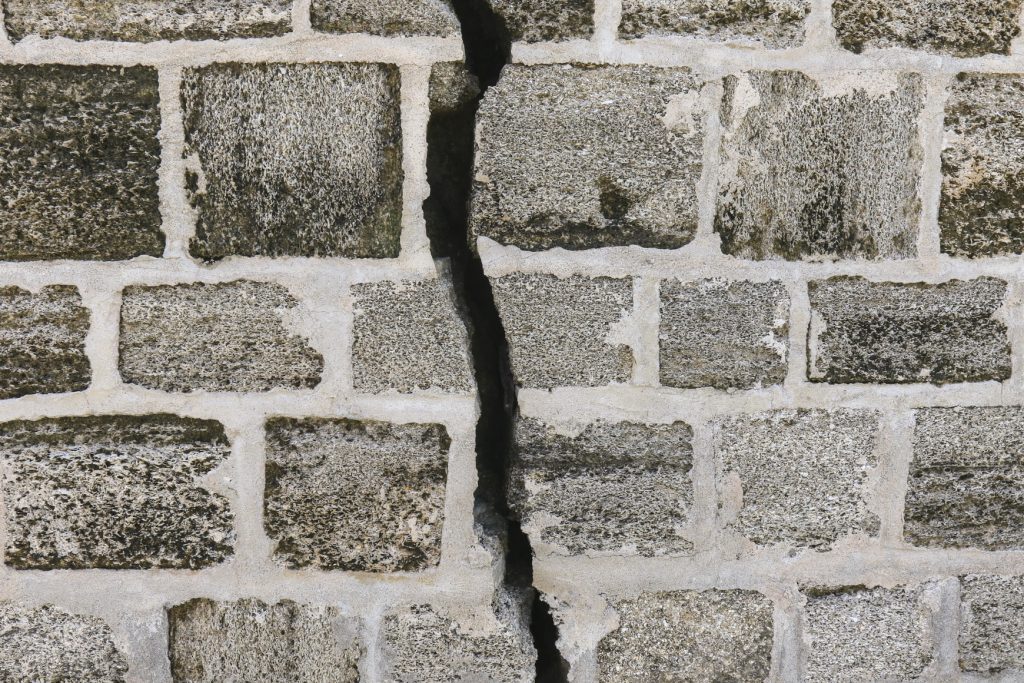
When these conditions combine, they lead to differential settlement — meaning that one portion of a slab moves down while adjacent portions remain stationary. That subtle tilt is all it takes for hazards to emerge, which is exactly what Raise & Relevel focuses on when fixing sinking concrete in commercial settings.
What hazards can uneven floors create in commercial spaces?
Uneven floors in commercial spaces pose hazards such as trips, unstable machinery, and an increased risk of workplace injury or damage. When your concrete floors are uneven, the risks extend beyond mere cosmetic concerns. They pose real workplace dangers:
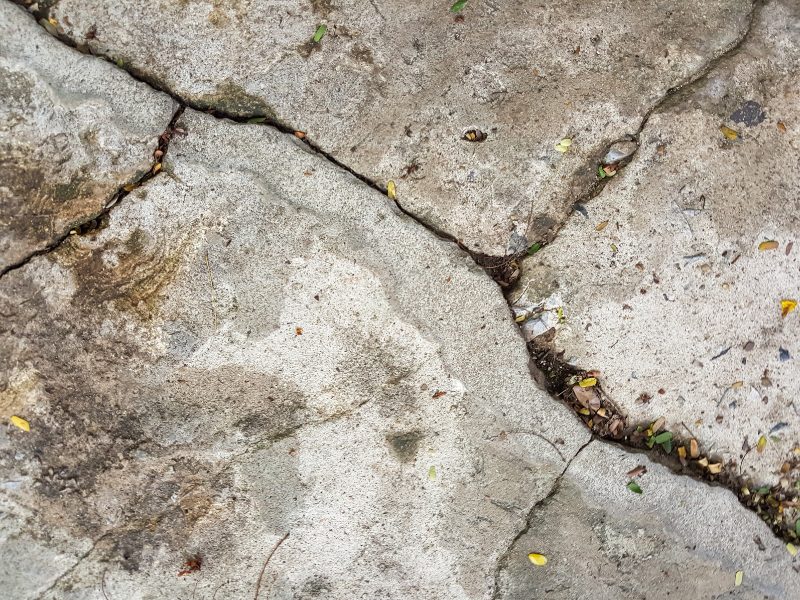
- Trip, slip or fall incidents — workers can catch toes, wheels or carts on raised edges
- Equipment instability — forklifts, pallet jacks or machinery may wobble or misalign
- Damage to products and stock — unstable flooring can cause spillage or breakage
- Drainage issues — water may accumulate in low spots, creating slip zones
- Liability exposure — if someone is injured, your workplace could be held responsible.
These risks align directly with workplace floor and ground surface safety principles, which focus on reducing injuries caused by slips and uneven surfaces. These hazards not only threaten safety but also dampen productivity and morale.
How does slab jacking help when fixing sinking concrete at job sites?
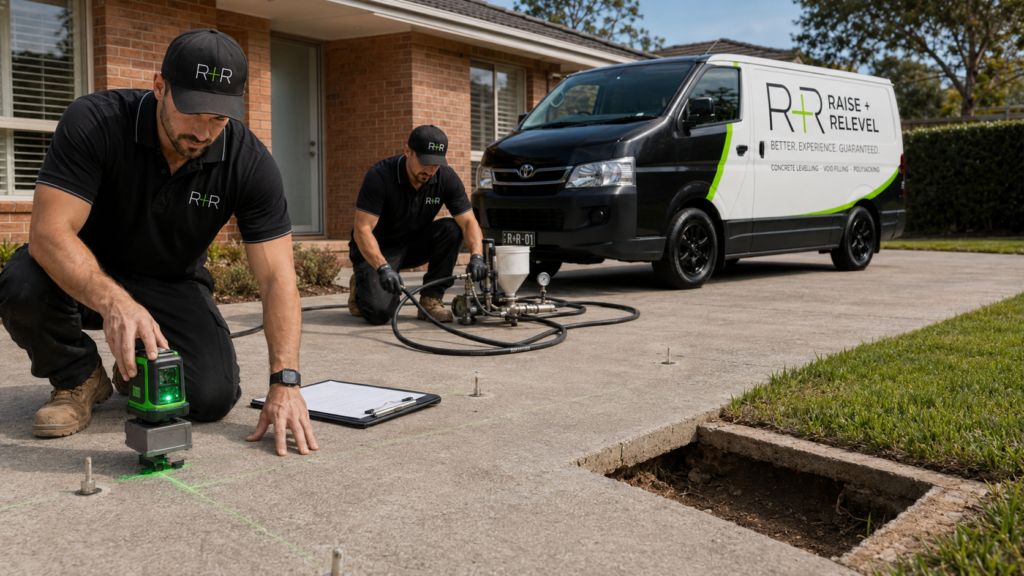
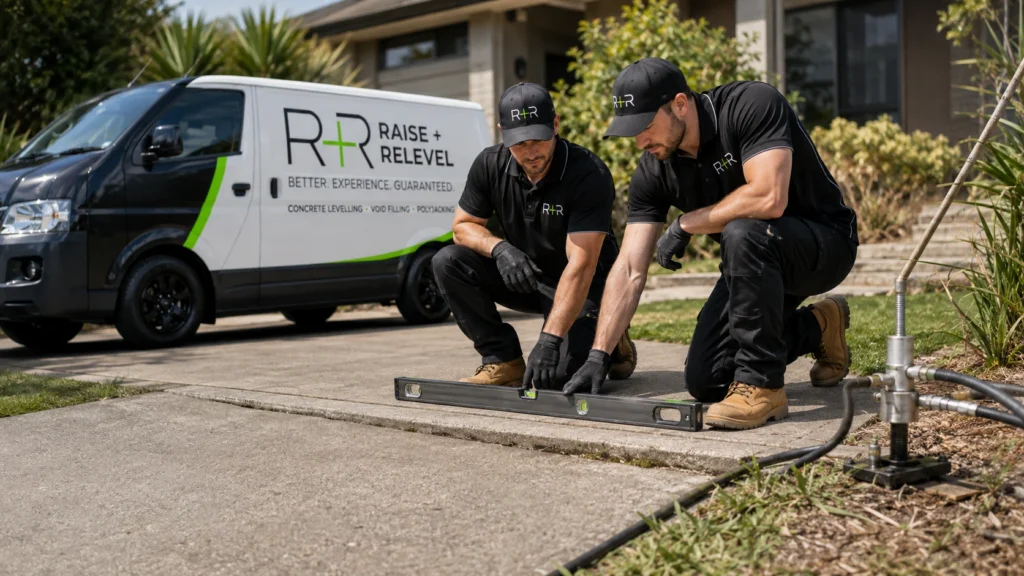
Slab jacking is a remediation technique that restores levelness from beneath — lifting sunken concrete instead of removing and replacing it entirely. Key steps in slab jacking include:
- Drilling small holes through the slab
- Injecting stabilising material (often polyurethane or grout) into underlying voids
- Pressurising the injected material to lift the slab gradually
- Monitoring slab elevation and making micro‑adjustments until level
In practice, reliable methods of slab jacking for sunken floors are employed to ensure precision, minimal disruption and sustainable results. This method addresses the root cause (voids or settling subgrade) rather than merely applying a patch over the symptom—the result: a restored flat floor with minimal downtime.
Which industries benefit most from stable and level concrete?
Industries with heavy equipment, constant foot or forklift traffic, and precise alignment requirements benefit most from level concrete surfaces. Uneven concrete affects many sectors, but some industries feel the impact more acutely. Here are a few:
- Warehousing & logistics — constant traffic of forklifts, pallets or automated vehicles
- Manufacturing — vibration, heavy machinery loads, precise alignment requirements
- Retail showrooms — aesthetic and safety implications where customers walk
- Automotive and service bays — lifts, hoists, alignment jigs rely on level flooring
- Cold storage/frozen warehouses — moisture cycling and heavy shelving
If you’ve ever wondered whether fixing sinking concrete challenges in warehouse floors is worth it, these are precisely the environments where stability yields the most significant returns.
Can fixing sinking concrete prevent costly workplace disruptions?
Addressing sinking slabs early helps avoid expensive repairs, downtime, and safety incidents that interrupt normal workplace operations. Proactive repairs frequently save far more than reactive replacements. Here’s how fixing sinking slabs mitigates disruptions:
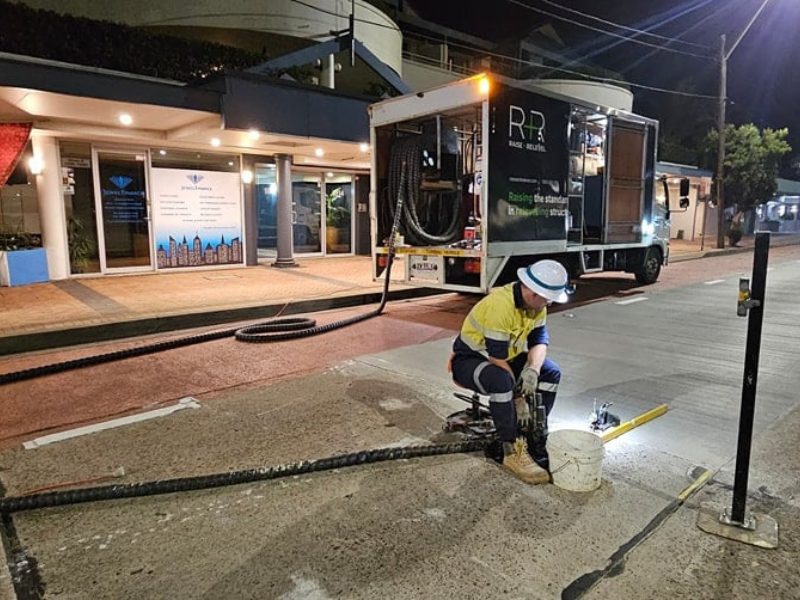
- Reduces downtime — the minimised work area and quick injection methods allow sections to reopen fast
- Avoids full slab replacement — cutting out demolition and re‑pouring time
- Prevents repeating patchwork — residual weak zones won’t recur once voids are correctly filled
- Lowers insurance or liability claims — fewer incidents equate to fewer legal headaches
- Protects adjacent operations — you won’t have to shut down entire warehouse wings
Following proper remediation, operations can typically resume within hours rather than days.
What long-term benefits come from choosing polyurethane injection?
Polyurethane injection offers long-lasting slab stability, rapid curing times, and resistance to water and future subsidence. Using polyurethane to fill voids and lift slabs presents a host of advantages:
- High strength and density — it supports heavy loads over time
- Rapid curing — minimal waiting before reopening the area
- Water resistance — prevents future washout of support
- Longevity — less likelihood of re‑settlement
- Lightweight compared to cement grout — reduces additional stress on subgrade
One of the biggest advantages is how effectively it addresses voids beneath slabs. The reason why void filling matters under sinking concrete slabs comes down to long-term structural integrity and safety. By opting for this advanced approach when fixing sinking concrete, you invest in a long-term solution—not a quick band-aid.
Final thoughts on fixing sinking concrete for safer workplaces
Fixing unstable concrete protects employees, equipment, and operations from unnecessary risks and inefficiencies caused by uneven flooring. Repairing sunken slabs is more than cosmetic — it’s a safety imperative. Upgrading floors ensures better footing, safer equipment operation, and fewer accidents. And if you ever need to act, discover how Raise & Relevel restores sunken concrete safely and provides a reliable way to reach out. In Brisbane and its surrounding areas, tackling sinking concrete with slab jacking and polyurethane injection provides durable, minimally disruptive, and safety-enhancing solutions. Prioritise the core issue, not just the surface symptoms — your staff, machinery, and operations will thank you.