Homes look solid, but slight shifts or sagging can mask profound changes below ground. Ignoring them might mean costly issues later. That’s why it’s smart to watch for early signs. Some might seem minor at first glance. Yet they often point to more profound instability. Experts at Raise & Relevel warn that subtle signs of subsidence often snowball into significant damage if left unchecked. This article explores the vital signs every homeowner on the Gold Coast, Queensland, should know—and shows how to act early to protect your home.
How can cracks in walls reveal the first signs of subsidence?
Subsidence happens when the ground beneath a home moves or sinks. That shift places uneven pressure on the structure, causing stress, which is often concentrated in the walls. Cracks are usually the first signal of trouble. Many homeowners ignore the odd crack until it grows or spreads to multiple rooms. At that point, repairing the damage may already be more costly. In regions like the Gold Coast, Queensland, where soil conditions vary, these cracks can appear more frequently. Here are the most telling wall crack signs:
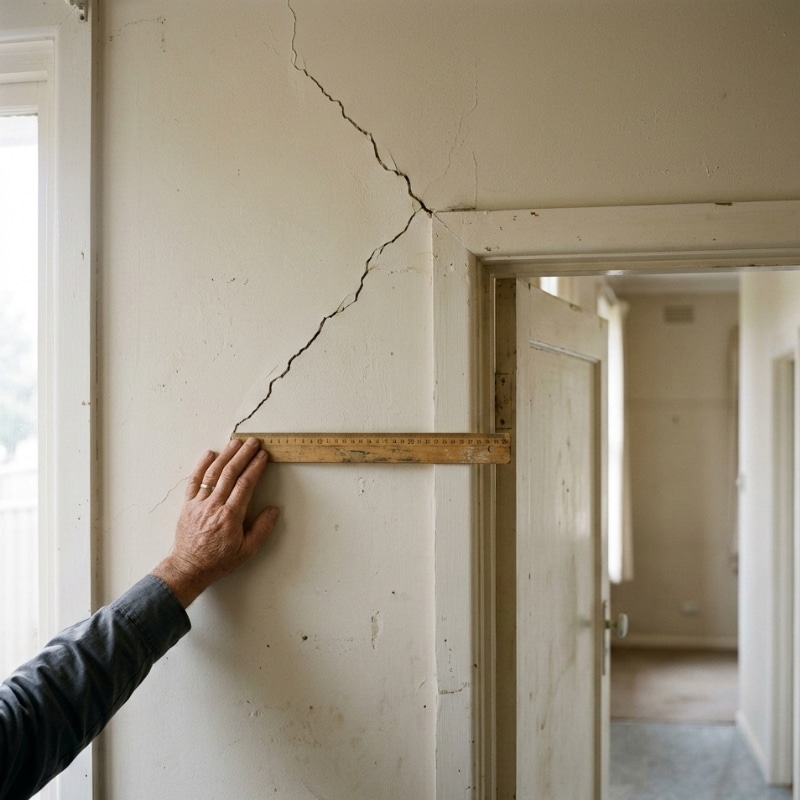
- Diagonal splits wider than 3 mm often form near door or window frames, as those areas receive extra structural weight.
- Cracks that widen at the top suggest movement as one part of the foundation settles more rapidly than another.
- Internal fissures that appear quickly and grow noticeably can signal ongoing subsidence, not mere settling.
- Gaps in external brickwork or mortar joints that aren’t just surface-level often denote more profound structural change.
These types of wall cracks aren’t typical signs of ageing wear. They develop unevenly and can worsen over weeks or months. If you spot any of these, it’s time for further investigation—before the problem deepens. Ignoring the signs might lead to far more invasive structural damage down the line.
Why do floors and doors often show early signs of subsidence?
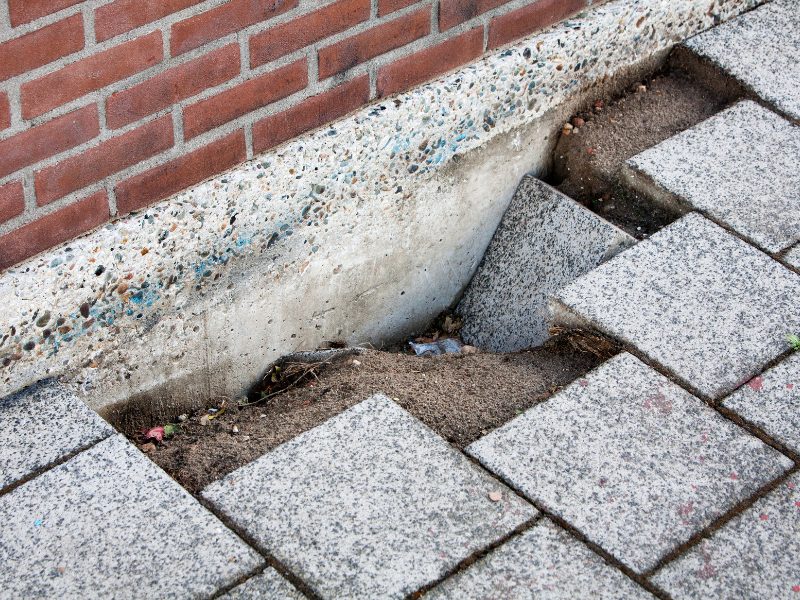
Doors that catch or floors that slant often reveal foundational shifts. It’s usually small at first. But when multiple things misalign, that’s your cue to investigate further. Here are the usual floor and door indicators:
- Doors that jam or fail to latch correctly may indicate that the frame has shifted out of square due to subsidence.
- Floors that feel springy or tilt noticeably can be a result of the subfloor losing support or slipping.
- Visible gaps between skirting boards and floors often reflect surface movement from below.
- Creaks or popping sounds in timber flooring may indicate that structural components are realigning under pressure.
These changes may appear in isolation or alongside other symptoms, like cracked walls or sinking patios. When they start happening across different rooms or levels, it’s a good idea to stop guessing and start looking beneath the surface.
How do soil, drought, and water leaks cause subsidence?
Foundations don’t shift on their own. Soil type, weather conditions, and moisture all play their parts. Knowing these elements gives real insight into why homes sink or drift. In Australia, expansive clay soils are a well-known culprit, especially in periods of drought followed by sudden rainfall. Here are the key environmental triggers:
- Clay-heavy soils expand and contract with moisture, causing foundations to shift.
- Extended dry spells cause the grounds to shrink, pulling away from home supports.
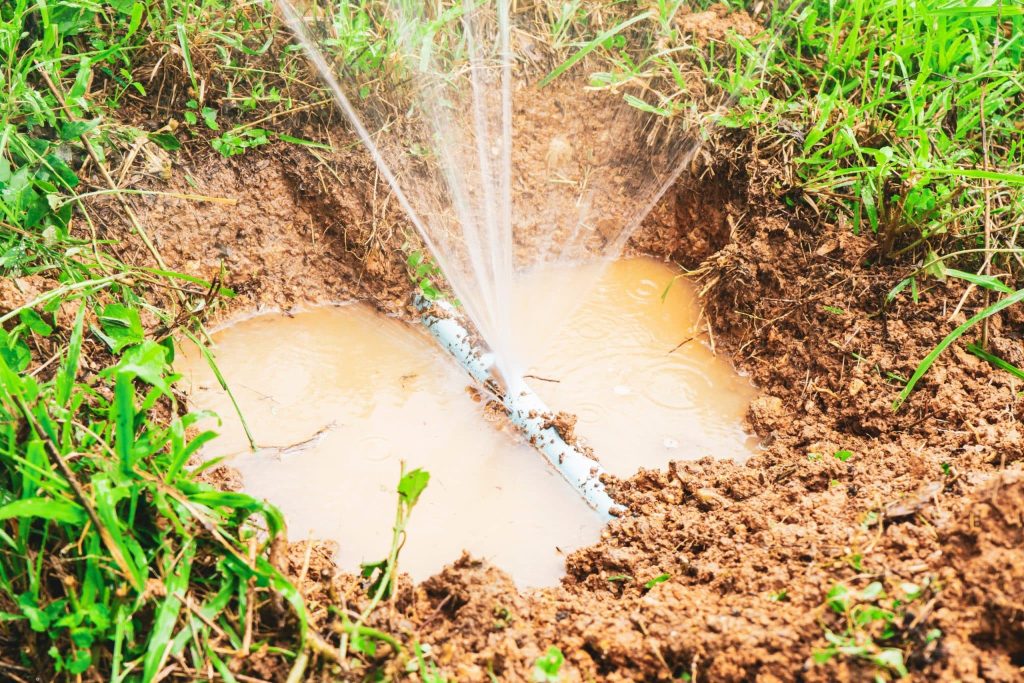
- Persistent leaks or poor drainage weaken soil, making it prone to collapse or shift.
- Tree roots near the foundation drain moisture, destabilising the ground unevenly.
These factors often coincide. For instance, a leaking pipe might soften soil already weakened by drought. Monitoring land conditions and improving awareness of soil health and its role in sustainable land use can help reduce long-term foundation risks around your home.
Which repair methods fix subsiding house foundations?
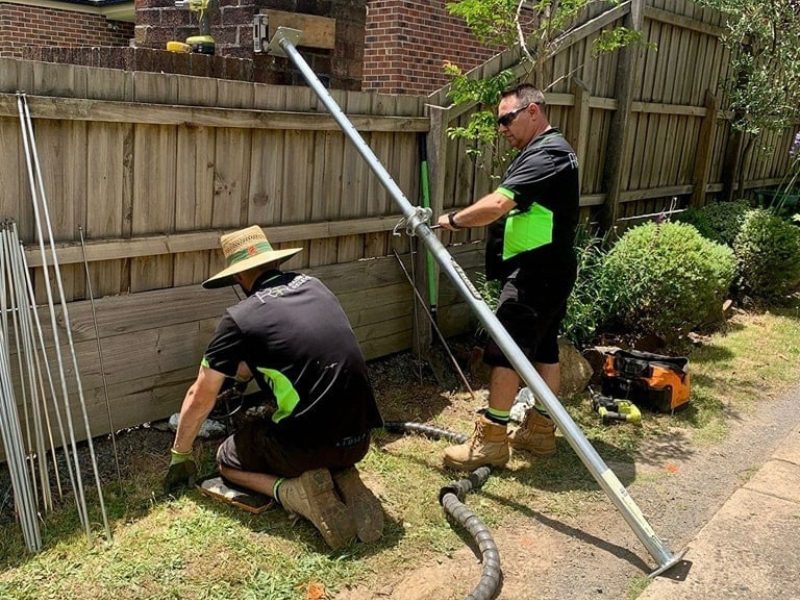
Once subsidence is confirmed, solutions are available. Some are subtle; others are more structural. The proper fix depends on the cause and severity of movement. In many cases, homeowners wait too long to take action, which can cause a relatively minor issue to escalate into a full-scale restoration. Here are standard repair methods:
- Underpinning strengthens unstable soil by injecting concrete or a similar material beneath the affected zones, thereby restoring stability.
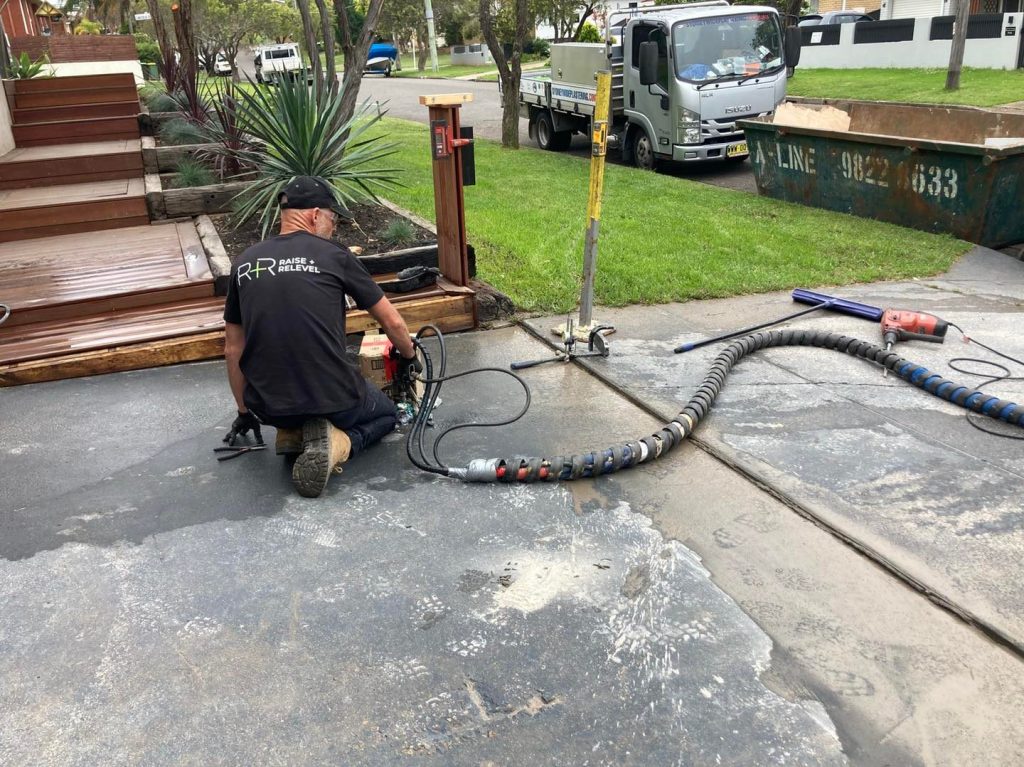
- Resin injection lifts areas by filling voids under slabs using expanding compounds to relevel the structure.
- Fixing drainage or installing root barriers helps prevent future soil movement linked to moisture.
These solutions serve different purposes. Choosing the wrong one may not resolve the issue—or worse, delay an effective solution. That’s why early diagnosis is so crucial. This is where homeowners may want to explore trusted solutions for addressing house subsidence and maintaining long-term foundation health.
How can homeowners address subsiding house risks effectively?
Stopping subsidence before it starts often costs less than repairing—and yields better outcomes. If you’ve seen signs once, staying on top of conditions can prevent recurrence. Homeowners on the Gold Coast, Queensland, should be especially proactive, given the diverse mix of soil types and coastal conditions.
- Track crack growth over time with photos or rulers—acting sooner can prevent escalation.
- Ensure efficient drainage around your property. Clean gutters, redirect water, and slope soil away from foundations.
- Keep trees trimmed and away from the home to reduce moisture loss near structural supports.
- Have a professional inspect your property regularly, particularly if it is built on reactive soils or has a history of movement.
Make it part of your routine to inspect your property every few months. Even if you don’t notice changes at first, keeping records helps spot patterns over time. Prevention doesn’t just save money—it protects safety and value.
Why is professional help vital for subsidence repairs?
Foundational problems are often misdiagnosed or ignored. That’s why expert help matters. Even when damage looks small, structural movement can be spreading out of sight. Professionals bring insight and precision that homeowners simply can’t match. They’ve seen the patterns and know what to test for.
- Engineers distinguish between subsidence and minor settlement, offering a precise diagnosis.
- Full-site assessments—including soil checks and movement tracking—reveal the root causes.
- Major repairs often require council approval and must adhere to codes that DIY projects cannot fulfil.
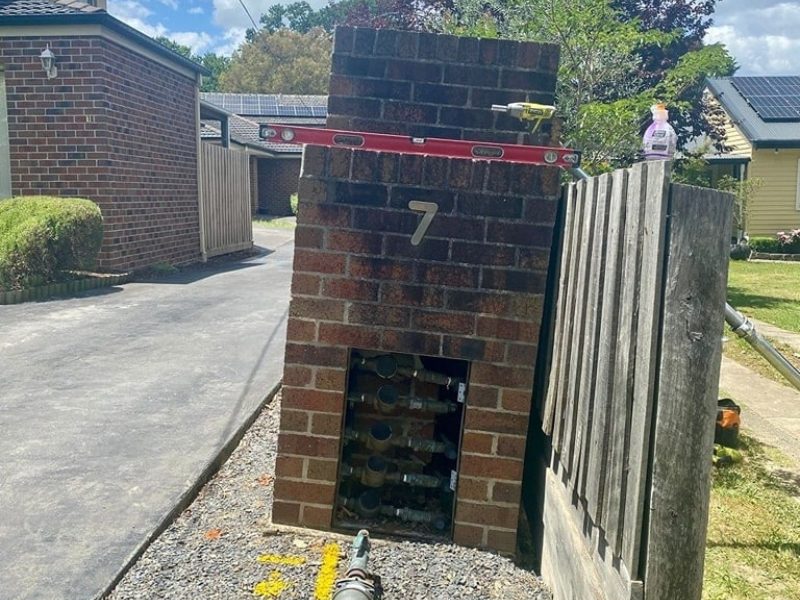
- Professionals use tools like laser levels and ground-penetrating radar, which ensure accuracy in areas that homeowners can’t reach.
| Aspect | DIY Approach | Professional Assessment |
| Diagnosis accuracy | Based on visual cues or guesswork | Precise, often using engineering standards |
| Tools available | Basic levels, visual checks | Laser levels, ground-penetrating radar |
| Code compliance | May overlook council regulations | Ensures all repairs meet local building codes |
| Root cause identification | Rarely investigates soil or substructure | Soil analysis and movement tracking |
| Repair scope | Often limited to visible damage | Addresses full structural implications |
What may seem like an isolated issue can actually point to structural shifts that affect the entire property. A misjudged repair could result in damage spreading or in serious safety concerns if left untreated.
Final thoughts on recognising and managing signs of subsidence
Foundational shifts are often sneaky. Cracks, sagging, and dragging doors—they all matter. Catch them early and act wisely. If you’re unsure what’s going on, professional insight could turn a major issue into a minor one. Don’t wait—and don’t guess. When in doubt, explore how Raise & Relevel supports long-term home stability.