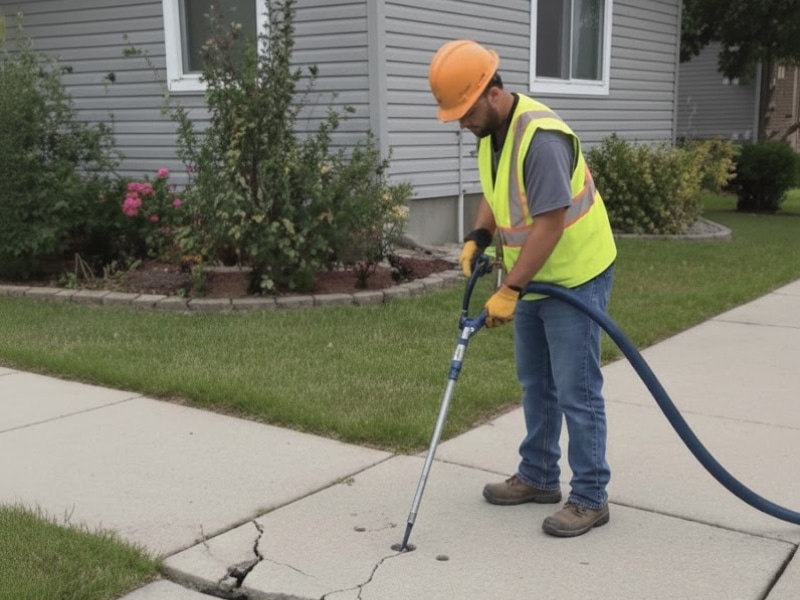
Concrete jacking requirements vary significantly depending on the type of property involved. In industrial and commercial environments, factors such as slab thickness, access constraints, soil conditions, and load-bearing demands all play a major role in determining the most suitable lifting approach.
Concrete jacking remains one of the most effective and least disruptive methods for correcting uneven concrete slabs in factories, warehouses, and commercial facilities. However, the complexity of these environments means that no two projects are ever the same.
From manufacturing plants in Seaford to large-scale warehouse facilities across Melbourne, Raise & Relevel has seen firsthand how site conditions influence both the method used and the overall scope of work. Understanding these variables helps property owners and facility managers plan repairs more efficiently and avoid unnecessary downtime.
In this article, we explain the key indicators that concrete jacking may be required, how slab lifting methods differ, and which long-term maintenance practices help protect industrial concrete floors.
What are the common signs that suggest you might need slab jacking?
Uneven slabs develop gradually, often going unnoticed until they begin affecting safety or operations. In industrial and commercial settings, early detection is critical.
Common warning signs include:
-
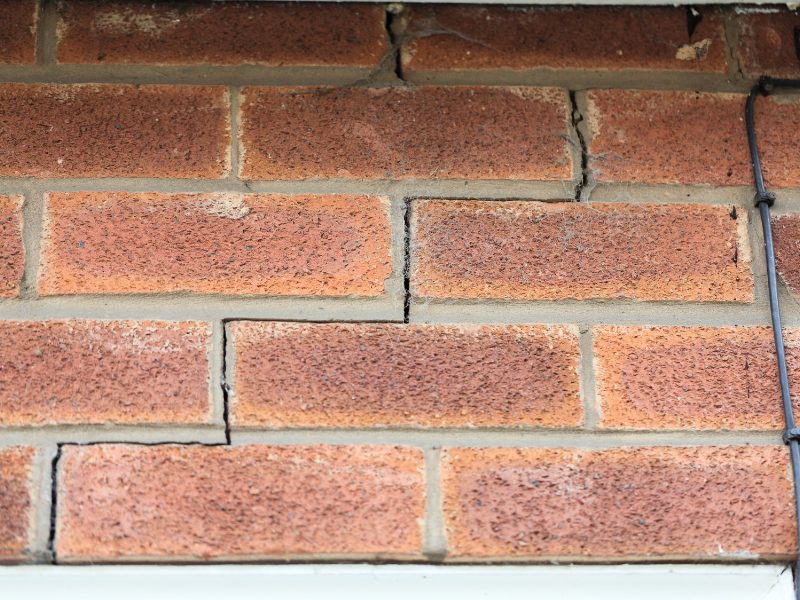
Cracks forming along slab joints or across the surface
-
Noticeable sinking or tilting in floor sections
-
Water pooling in low or uneven areas
-
Gaps appearing beneath slab edges
-
Misalignment of machinery, racking, or doors
Left unchecked, these issues can compromise the structure’s integrity. It’s not just cosmetic — trip hazards, drainage failures, and foundation shifts can all trace back to sunken concrete. Once you notice a few of these signs, the next step is to investigate the trusted approach to managing concrete jacking repair solutions.
How Is Concrete Jacking Assessed for Commercial and Industrial Floors?
For non-residential properties, concrete jacking assessments focus on performance and safety rather than surface appearance.
Key factors considered during evaluation include:
-
Total slab area requiring correction
-
Thickness and reinforcement of the concrete
-
Depth and spread of voids beneath the slab
-
Soil stability and moisture conditions
-
Access limitations within active facilities
-
Load-bearing requirements for machinery or storage systems
Industrial slabs are often designed to support significant weight. This means the lifting process must be highly controlled to ensure uniform support and avoid stress concentrations that could compromise the slab over time.
Prices spike when slabs are severely damaged or when the void is deep. Add in complex layouts or limited access, and you’re looking at higher labour costs too. To gain a deeper understanding of residential setups, consider why slab jacking is regarded as the most effective method.
Why Industrial and Warehouse Slabs Require a Different Approach
Concrete jacking in factories and warehouses is fundamentally different from residential applications. These environments typically involve:
-
Heavier slab construction
-
Continuous operational loads
-
Forklift and machinery traffic
-
Strict safety and compliance requirements
Precision is essential. Even minor unevenness can affect equipment performance or workflow efficiency. As a result, specialised equipment, experienced technicians, and detailed lift planning are required to achieve accurate and durable results.
Older facilities across Melbourne may also need to consider current building and safety standards when correcting structural slabs, particularly where settlement has developed over many years.
Failing to level these properly can halt operations or lead to regulatory issues. As a result, jobs require more specialised equipment and higher technical oversight. In these environments, it’s also common to assess building regulations for structural slabs to ensure compliance, especially with older buildings.
Foam Injection vs Mudjacking in Commercial Settings
Different slab lifting methods suit different site conditions. The two most common techniques used in industrial concrete jacking are polyurethane foam injection and traditional mudjacking.
Foam Injection (Polyurethane Lifting)
Foam injection is often preferred in active commercial environments due to:
-
Fast curing times, allowing quick return to service
-
Lightweight material that reduces additional soil stress
-
High precision lift control
-
Minimal disruption to surrounding operations
This method is particularly effective where accuracy and reduced downtime are critical.
Mudjacking
Mudjacking remains a viable solution in certain scenarios, especially where:
-
Soil conditions are stable
-
Heavier fill material is beneficial
-
Environmental considerations are a priority
-
Surface access is limited
However, mudjacking typically requires longer curing times and may be less suitable in high-moisture or high-load environments.
Selecting the right method depends on the slab’s function, soil behaviour, and operational requirements of the site.
How Proper Maintenance Extends the Life of Levelled Slabs
Once a slab has been successfully levelled, preventative maintenance plays a crucial role in protecting the repair.
Best practices include:
-
Ensuring effective site drainage to prevent soil erosion
-
Sealing cracks promptly to block water ingress
-
Monitoring for early signs of settlement
-
Managing nearby vegetation and root systems
-
Avoiding uneven or excessive edge loading
Routine inspections help identify minor issues before they escalate. With consistent maintenance, many industrial slabs remain stable for years without requiring further intervention.
In some cases, mudjacking solves problems that newer methods don’t, especially when you’re dealing with voids under stairs, paths, or other tight areas. Discover the efficient solution for addressing voids under concrete slabs.
Which maintenance practices help extend the life of a levelled slab?
Good drainage, timely crack repairs, and avoiding heavy edge loads help extend the lifespan of levelled concrete slabs. Once your slab is jacked and back to level, how do you maintain its level? Solid maintenance habits prevent re-sinking and preserve your investment. Focus on:
- Ensuring good site drainage
- Fixing cracks quickly with flexible sealant
- Avoiding heavy loads on edges
- Checking for signs of erosion annually
- Keeping vegetation roots away
Neglecting simple care can lead to early failure, turning a fixed surface into a future headache. Just like any other structural element, a slab thrives on consistency. By maintaining your concrete properly, you delay — or even avoid — future jacking altogether.
Final Thoughts
Concrete jacking for commercial and industrial properties is not a one-size-fits-all solution. Slab design, site conditions, and operational demands all influence the most appropriate approach.
By understanding early warning signs, choosing the correct lifting method, and maintaining the slab after repair, property owners can significantly reduce long-term disruption and structural risk.
Pairing the right solution with long-term maintenance. If you’re still unsure which approach suits your site, consider reaching out for guidance from Raise & Relevel. We’ll help you weigh up the options, no pressure, no strings.