
Reactive clay foundations move because the soil beneath Australian homes expands when it absorbs moisture and contracts as it dries out, creating seasonal ground movement that places stress on footings and slabs. While this process is standard, unmanaged moisture changes, poor drainage, and unsuitable soil conditions significantly increase the risk of ongoing structural damage. With the correct diagnosis, remediation, and preventive strategies, homeowners can reduce foundation movement and protect their property in the long term.
Australia’s unique climate and widespread reactive clay soils mean foundation movement is not a rare event — it is one of the most common structural issues affecting residential buildings nationwide. Many homes experience some degree of movement over their lifespan, but understanding why it occurs and how to manage it is the key difference between cosmetic cracking and severe structural damage.
What Causes Foundation Movement in Australian Homes
Foundation movement in Australia is driven primarily by soil behaviour rather than construction defects. Reactive clay soils are susceptible to changes in moisture, making them unstable under fluctuating weather conditions.
Reactive Clay and Moisture Cycles
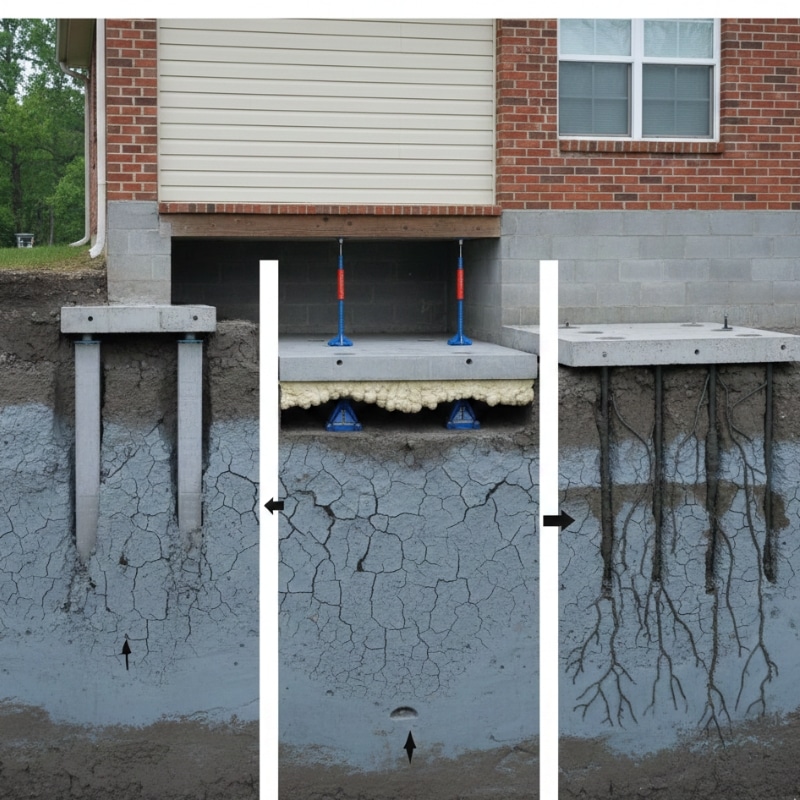
Reactive clay expands when wet and shrinks when dry. Seasonal rainfall, drought conditions, and inconsistent watering patterns lead to repeated changes in soil volume beneath foundations. Over time, this cyclical movement leads to stress fractures, uneven settling, and slab distortion.
Unlike sandy or gravel soils, clay particles absorb water and physically increase in volume. When they dry out, they contract, leaving voids beneath the footings. This repeated expansion and contraction places uneven pressure on different parts of a building.
Key contributors include:
• Prolonged dry periods followed by heavy rainfall
• Poor surface and subsoil drainage
• Leaking plumbing or stormwater systems
• Inconsistent garden watering near footings
• Tree roots extract moisture close to foundations
Australian Climate Factors
Australia’s climate intensifies foundation movement risks due to:
• Hot summers cause rapid soil shrinkage
• Intense rainfall events leading to sudden expansion
• Extended drought cycles are increasing soil desiccation
• Regional soil reactivity variations across states
Homes built on reactive clay without appropriate footing design or moisture management systems are particularly vulnerable. Guidance aligned with national building standards, such as those outlined in the Australian Building Codes Board guidelines on soil classification and footing design, helps explain why footing design, site classification, and moisture control are critical factors in managing foundation movement in reactive environments.
How to Diagnose Foundation Movement Early
Early diagnosis is essential to prevent minor movement from developing into costly structural damage. Many homeowners delay action because early symptoms appear cosmetic, but these signs often indicate underlying soil movement.
Common Warning Signs Homeowners Notice
Foundation movement often presents subtle indicators before significant damage occurs, including:
• Cracks in brickwork, plaster, or cornices
• Stair-step cracking in masonry walls
• Doors or windows sticking or becoming misaligned
• Uneven or sloping floors
• Gaps appearing around skirting boards or architraves
• Cracks that widen or close with seasonal changes
Cracks that open during dry periods and partially close after rain are a classic indicator of reactive clay movement rather than simple material shrinkage.
Professional Assessment Methods
Accurate diagnosis requires more than visual inspection. Structural specialists assess:
• Soil reactivity classification
• Moisture content variation around the home
• Footing depth and slab design
• Differential movement across the structure
• Drainage performance and water flow paths
Engaging foundation stabilisation specialists in Australia ensures movement is correctly identified, monitored, and addressed before it compromises structural safety or resale value.
Foundation Repair Methods for Reactive Clay Movement
Once foundation movement is confirmed, the appropriate method depends on soil conditions, damage severity, building age, and construction type.
Underpinning Solutions
Underpinning stabilises foundations by transferring structural loads to deeper, more stable soil layers that are less affected by changes in moisture. This method is commonly used where reactive clay has caused uneven settlement or subsidence.
Benefits include:
• Long-term structural stability
• Reduced future movement risk
• Improved load distribution
• Increased property lifespan
Underpinning may be localised to problem areas or extended across multiple footings, depending on movement patterns.
Re-levelling and Slab Correction
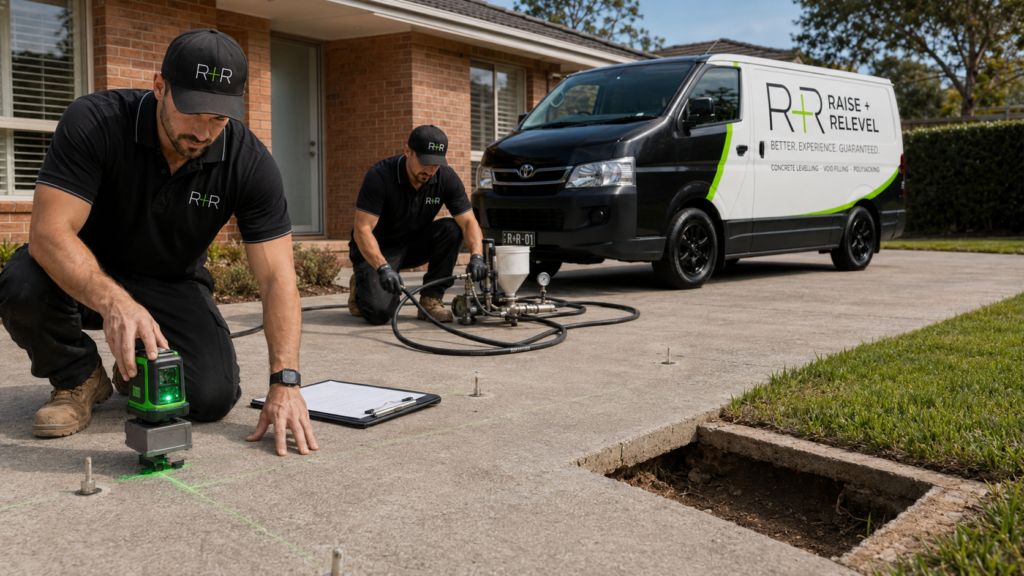
Re-levelling restores uneven slabs caused by soil movement. This process improves functionality, floor alignment, and internal finishes. It is often used in conjunction with underpinning to ensure the structure remains level after stabilisation.
Drainage and Moisture Management
In many cases, structural works must be supported by moisture control strategies such as:
• Improved stormwater drainage
• Subsoil drainage installation
• Moisture regulation systems
• Plumbing leak rectification
• Controlled landscaping practices
Working with experienced structural foundation professionals helps ensure the underlying causes of movement are addressed, not just the visible symptoms.
Costs and Timeframes
Costs in Australia vary depending on several factors, and no two properties experience foundation movement in the same way.
What Influences Cost
- Extent and severity of movement
- Number of footings affected
- Method required
- Soil conditions
- Property size and access
- Engineering and monitoring requirements
Early intervention typically costs less than delayed action once movement becomes widespread.
Typical Timeframes
Most projects follow these stages:
• Initial assessment and engineering review
• Scope definition and planning
• On-site works
• Post-work monitoring
Timeframes range from a few days for targeted works to several weeks for comprehensive stabilisation programs.
What to Expect During Work
Understanding the process helps homeowners prepare and reduces uncertainty during on-site activities.
During the Process
Homeowners can expect:
• Site preparation and safety controls
• Temporary disruption to certain areas of the property
• Controlled excavation around footings
• Precision installation of stabilisation systems
• Ongoing communication from the project team
Professional teams prioritise safety, accuracy, and minimal disruption to daily living.
After Completion
Once works are completed:
• Structural movement is stabilised
• Existing cracks may be repaired or monitored
• Drainage improvements remain ongoing
• Periodic inspections are recommended
If movement concerns are present, it’s wise to request a foundation assessment early to prevent escalation and protect long-term property value.
Prevention and Maintenance
While not all foundation movement can be prevented, proactive management significantly reduces risk and limits future damage.
Moisture Control Strategies
- Maintain consistent soil moisture levels around the home
- Avoid extreme wetting or drying cycles
- Limit heavy planting close to footings
- Repair leaking pipes promptly
- Ensure downpipes discharge well away from foundations
Long-Term Property Care
- Schedule periodic structural inspections
- Monitor existing cracks seasonally
- Maintain effective drainage systems
- Address minor issues before they worsen
- Keep records of movement and repairs for resale
Preventative action, combined with professional guidance, provides the most effective defence against reactive clay damage in Australian conditions.