Sinking floors are one of the most common structural problems affecting Australian homes and commercial buildings. Whether it’s a subtle slope, a noticeable dip, uneven floorboards, or a dramatic drop in part of a room, sinking floors can indicate underlying issues with soil movement, foundation settlement or failing structural supports.
Because Australia’s soil types vary dramatically from state to state — from highly reactive clay belts to sandy coastal zones and deep loam plains — the causes of sinking floors can be very different depending on where you live. Climate patterns such as drought, heavy rainfall, and seasonal swelling also play a critical role.
This structural expert guide breaks down why floors sink in Australia, examines the risk factors in each major state, and explains what homeowners, builders and property managers should look for. If you suspect your floors are sinking, Australia-wide specialists offer professional sinking floor repair solutions in Australia that can help diagnose and address the issue safely.
The Main Causes of Sinking Floors in Australia
Although every home is different, most sinking floor issues in Australia stem from one or more of the following:
1. Reactive Clay Soil Movement
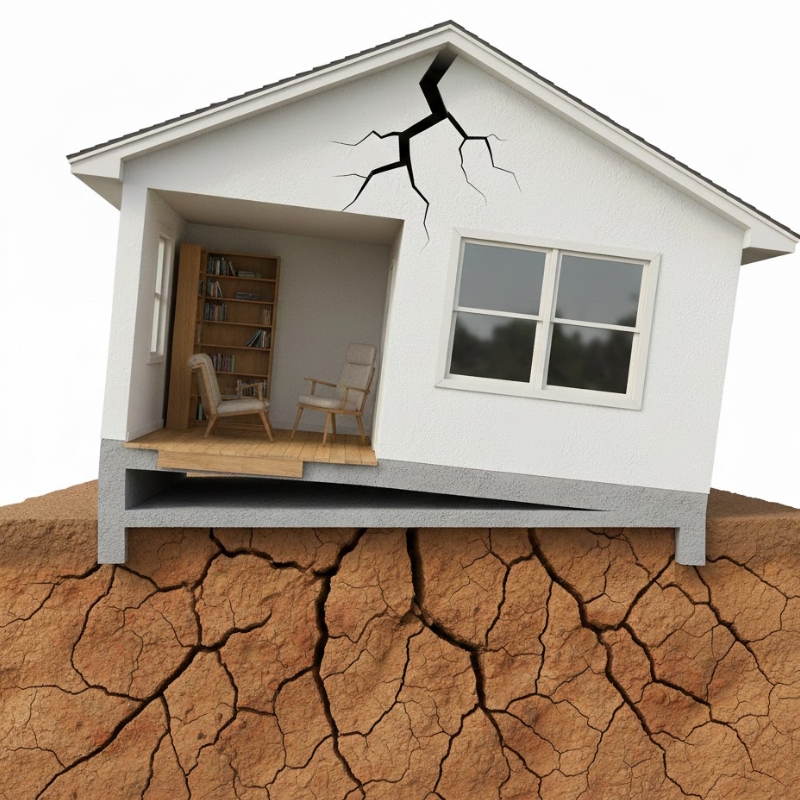
Large parts of Australia — particularly in NSW, VIC, QLD and SA — are built on reactive clay soils. These soils expand when wet and shrink when dry, causing significant ground movement beneath homes.
This swelling–shrinking cycle puts stress on foundations, piers and slabs, causing floors to tilt, drop or become uneven.
2. Foundation Settlement
Foundation settlement occurs when the soil beneath a structure compacts or shifts over time. This may be caused by:
• Poor soil compaction during construction
• Heavy loads added to upper floors
• Aging foundations
• Soil erosion
• Incorrect drainage or water pooling
3. Timber Stump Decay or Pier Failure
Older homes built on timber stumps — especially Queenslanders, Victorian cottages and many Sydney Federation homes — often develop sinking floors due to stump rot, insect damage or pier deterioration.
4. Slab-on-Ground Subsidence
Concrete slabs can drop due to voids forming underneath from:
• Dry soil shrinkage
• Plumbing leaks washing out soil
• Stormwater mismanagement
• Excavation nearby
• Heavy equipment causing vibration
5. Extreme Australian Weather Cycles
Australia’s climate is increasingly influenced by intense patterns such as:
• Prolonged droughts
• Sudden heavy rainfall
• Flooding events
• Long dry periods followed by soil saturation
These sudden moisture changes worsen soil instability and increase the risk of floor sinking, especially in clay-heavy regions.
For detailed insights into how soil behaves across Australia, refer to geoscience data from Geoscience Australia.
State-by-State Breakdown: Why Floors Sink Across Australia
Not all soil types behave the same. Here is a structural expert breakdown of sinking floor causes in each major Australian region.
New South Wales (NSW)
Many NSW homes sit on a mixture of sandstone, clay and expansive soils. The biggest risk zones include:
• Western Sydney clay belts
• Hills District
• Penrith and Nepean corridor
• Hunter Region
• Southern Highlands
Primary causes of sinking floors in NSW include:
• Reactive clay shrinkage during drought
• Plumbing leaks eroding soil
• Soil heave after long wet periods
• Aging piers in older Federation homes
Victoria (VIC)
Victoria is home to some of Australia’s most reactive clays, particularly around Melbourne’s northern, western and eastern suburbs.
High-risk areas include:
• Melton
• Sunbury
• Craigieburn
• Hoppers Crossing
• Cranbourne
Primary causes of sinking floors in VIC include:
• Clay soil swelling and shrinkage
• Weak subsoil layers beneath slabs
• Decades-old footing systems deteriorating
• Poor drainage due to dense suburban development
Queensland (QLD)
QLD’s coastal and inland regions feature a mix of sandy soil, clay belts and floodplain areas.
High-risk zones include:
• Brisbane floodplains
• Ipswich region
• Gold Coast hinterland
• Townsville clay pockets
Primary causes in QLD:
• Flooding undermines soil stability
• Sand movement in coastal zones
• Clay shrinkage during long dry seasons
• High humidity accelerates timber stump decay
Australian Capital Territory (ACT)
Canberra is built on some of the most reactive clays in Australia — deep, moisture-sensitive soils known for pronounced seasonal movement.
Primary causes in ACT:
• Extreme clay shrinkage during dry winters
• Sudden swelling in wet periods
• Pier failure in older suburbs
• Temperature-driven soil contraction
South Australia (SA)
SA’s soil composition includes limestone, hard clays, sandy plains and expansive clay belts around Adelaide.
Primary causes in SA:
• Reactive clay movement
• Soil collapse in sandy areas
• Slab-on-ground subsidence
• Water table fluctuations
Western Australia (WA)
WA features a wide mix of soil types — from coastal sands to inland clay regions.
Primary causes in WA:
• Sand compaction issues
• Soil erosion around coastal suburbs
• Expansive clay movement inland
• Foundation settlement in older homes
Tasmania (TAS)
Tasmania generally has more stable soils, but certain regions still face challenges.
Primary causes in TAS:
• Soil erosion on steep blocks
• Retaining wall failures
• Waterlogging under floors
• Weak subsoils in older homes
Northern Territory (NT)
NT faces extreme wet-and-dry cycles, which greatly influence soil movement.
Primary causes in NT:
• Monsoonal rains are causing soil saturation
• Dry-season shrinkage
• Foundation settlement in older structures
• High humidity affecting timber components
How to Identify Early Signs of Sinking Floors
Recognising sinking floors early can prevent extensive structural damage.
Key indicators include:
• Noticeable dips or slopes
• Cracks in walls or ceilings
• Doors sticking or not closing properly
• Gaps under skirting boards
• Bouncy or uneven floorboards
• Tiles cracking or lifting
• Separation between floors and walls
Sydney, Melbourne and Brisbane homeowners often ignore these signs until the issue becomes severe — leading to higher repair costs.
How Soil Type Influences Floor Movement in Australia
Different soils behave uniquely under moisture and pressure changes.
Reactive Clay Soils
• Expand significantly when wet
• Shrink dramatically when dry
• Cause slabs and piers to rise or fall
• Most common cause of sinking floors in Australia
Sandy Soils
• Drain water quickly
• Prone to erosion and washout
• Can create voids under slabs
Loam and Mixed Soils
• Moderate stability
• Often affected by drainage problems
Rocky or Limestone Areas
• Stable but prone to localised collapse if water undermines faults
For expert diagnosis and repairs, you can explore and discover expert releveling options for uneven floors to understand the steps involved.
What to Do If You Suspect Your Floors Are Sinking
If you see signs of sinking floors, act early to prevent escalating structural damage.
Steps homeowners should take:
-
Document signs of movement (photos, measurements).
-
Avoid DIY fixes — they often mask symptoms.
-
Inspect external drainage for pooling or leaks.
-
Avoid further loading on affected areas.
-
Contact a specialist for a professional assessment.
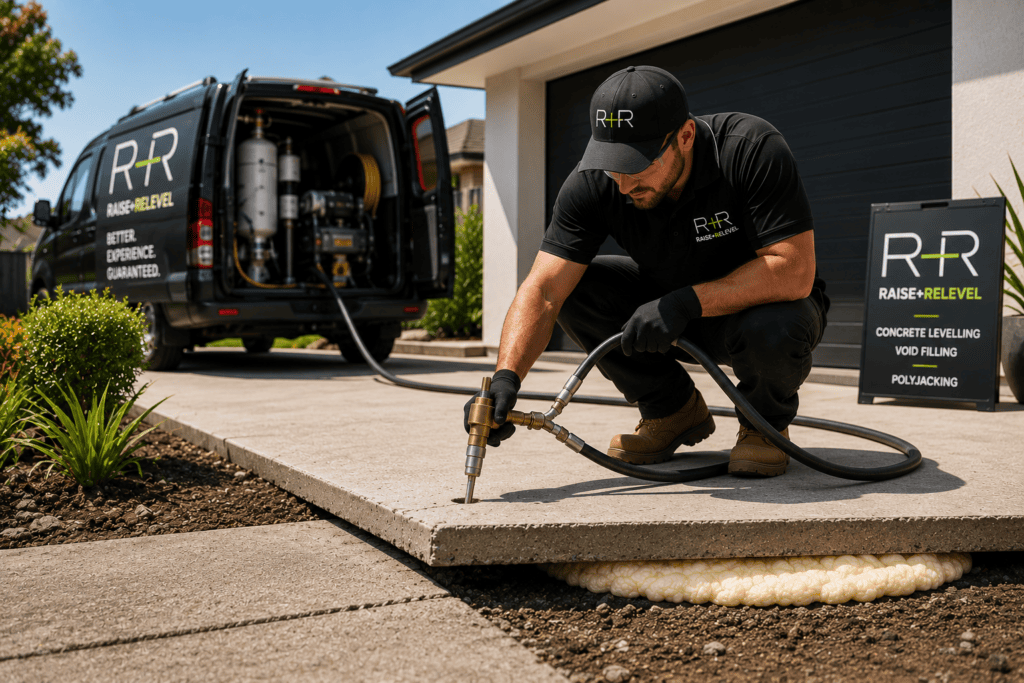
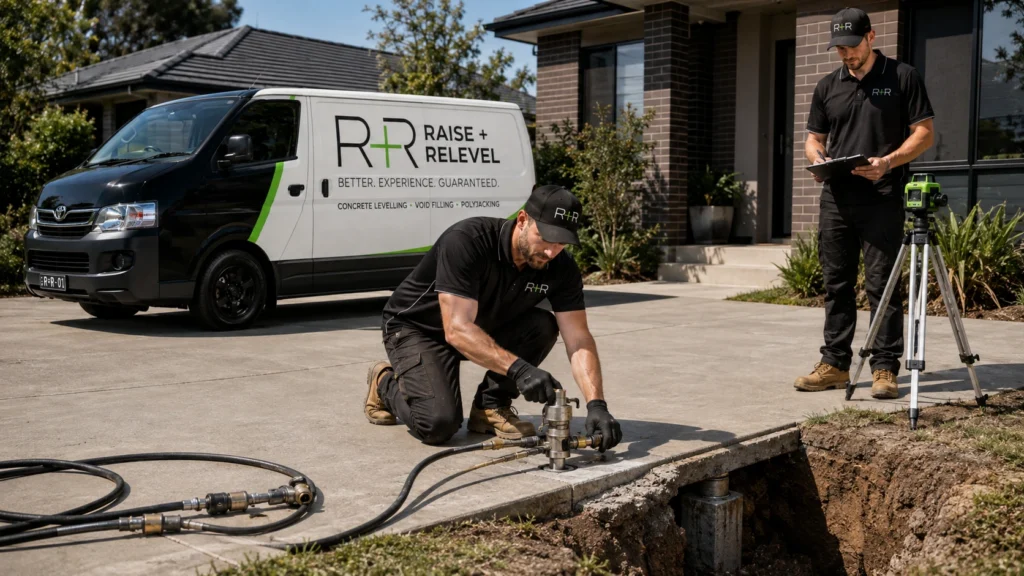
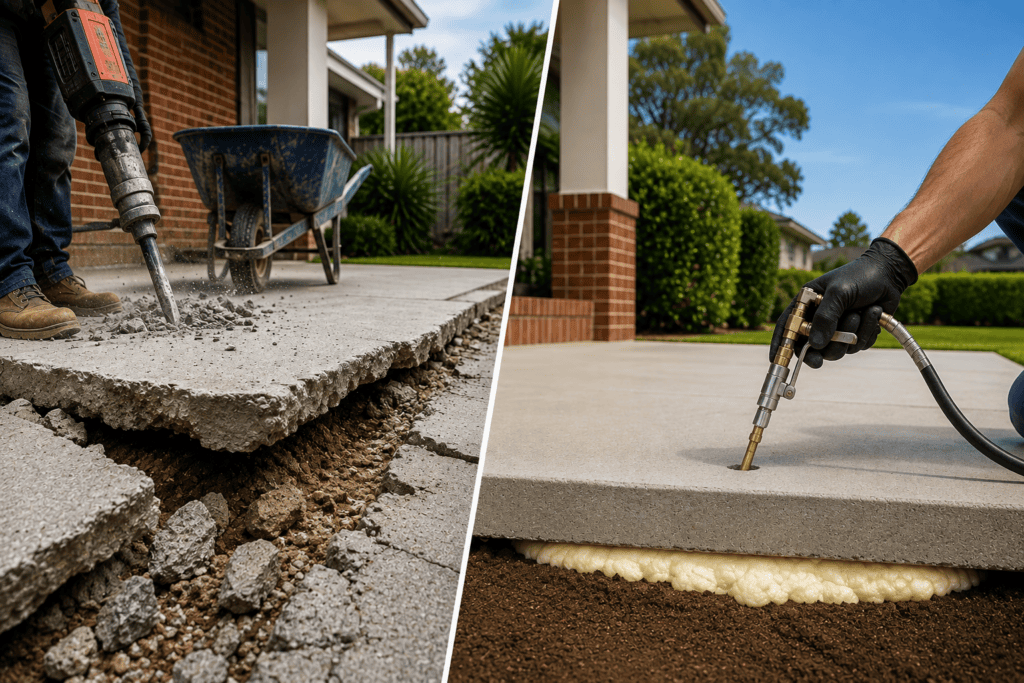
Modern releveling techniques, such as resin injection or precise slab lifting, make repairs faster and less invasive than traditional restumping.
To book a professional assessment, consider comprehensive foundation and subsidence repair services available for Australia-wide support.
AEO-Friendly Q&A: Common Questions About Sinking Floors in Australia
Why are sinking floors so common in Australia?
Because large parts of Australia are built on reactive clay soils that expand and contract dramatically.
Which Australian state has the worst soil movement?
Victoria and the ACT are among the most affected due to extreme clay reactivity.
Can drought cause sinking floors?
Yes — dry soil contracts, leaving voids under slabs and piers.
How do heavy rains affect floor levels?
Rain saturates clay soils, causing them to expand and push foundations upward or sideways.
Is releveling permanent?
Modern resin-based releveling is long-lasting when underlying causes are addressed.
Conclusion: Understanding Ground Conditions Is Essential for Preventing Sinking Floors
Sinking floors are a widespread structural issue across Australia. With highly reactive soils, extreme climate variations and aging building stock, it’s no surprise that uneven floors appear in homes from Sydney to Melbourne and across regional towns.
Understanding the soil type beneath your home is the first step to diagnosing why floors sink and determining the best repair method. Whether caused by clay movement, soil erosion, foundation settlement or timber stump decay, early intervention is critical.
For professional inspection, diagnosis and long-term repair, homeowners rely on professional sinking floor repair solutions in Australia to protect their properties and restore structural stability.