The best house subsidence solutions depend on the underlying cause, but typically involve resin injection, slab jacking, or screw piling. When your house starts sinking — literally — it’s more than just a cosmetic issue. House subsidence can throw everything off balance, from cracked bricks and sloping floors to jammed doors and misaligned windows. While Brisbane soils are no strangers to seasonal shifts, the long-term impact on your home’s structural integrity isn’t something to shrug off. For decades, Raise & Relevel has been a go-to source for house subsidence solutions that align with local soil conditions and structural demands.
The good news? You’re not stuck with it. House subsidence solutions have evolved well beyond old-school methods. Whether you’re dealing with expansive clay, dry seasonal shifts, or simply age-related wear, modern repair techniques can restore stability without requiring a significant renovation. This blog explores the causes of house subsidence, how to identify it, and which repair methods are proving most reliable. Let’s walk through the signs, challenges, and solutions — so you’re not left on shaky ground.
What signs show that a house may need subsidence solutions?
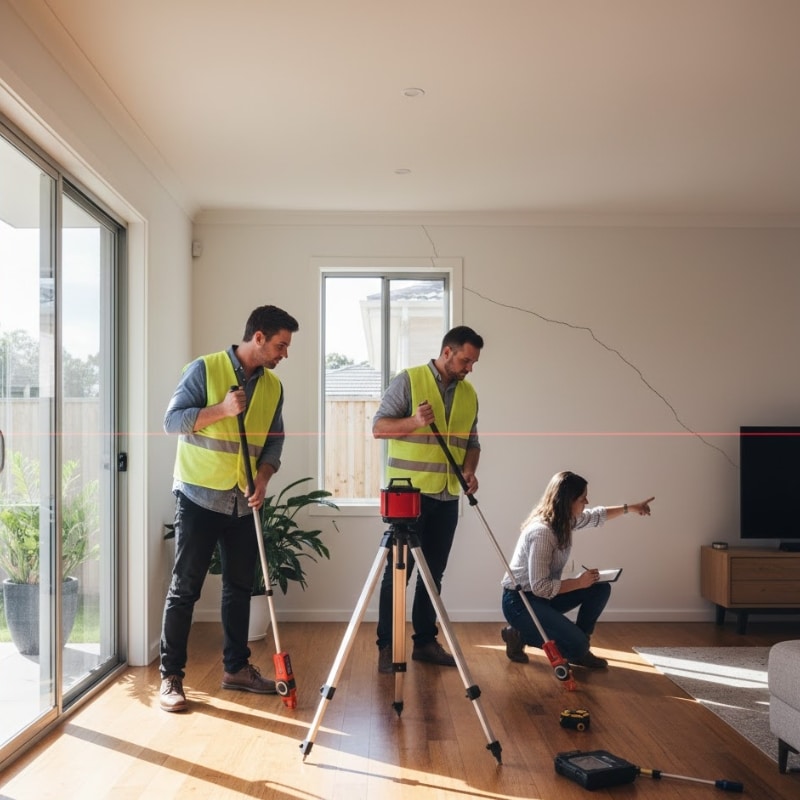
You don’t need a degree in engineering to spot early signs of subsidence. They often show up in everyday annoyances.
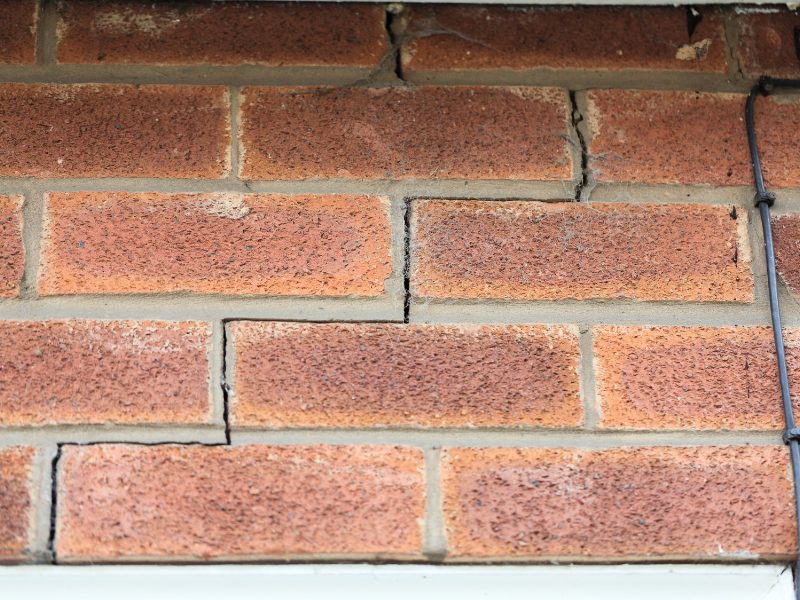
- Cracks in walls — especially diagonal ones running from windows or doors
- Doors and windows are sticking or not closing properly
- Uneven or sloping floors
- Gaps appearing between walls and ceilings or skirting boards
- Bricks or mortar visibly separating or shifting
- Hard landscaping (paths, steps) tilting away from the house
These symptoms may creep in gradually, but left unchecked, they’ll only worsen. Catching them early can prevent severe structural headaches down the line. Where these warning signs are visible, homeowners are often directed toward trusted subsidence repair services for Australian homes to address the root cause efficiently.
How do soil conditions contribute to house subsidence solutions?
The soil beneath your home is rarely static. Changes in moisture content — particularly in reactive clay soils — can lead to movement, shrinkage, or swelling, putting pressure on your foundations. Key soil factors that influence subsidence:
- Clay-rich soils that expand and contract with rainfall
- Loose fill that hasn’t compacted properly over time
- Tree roots are drawing moisture from around foundations.
- Poor drainage or leaking pipes softening the soil
- Drought conditions are drying the soil and reducing support
Many Brisbane homeowners facing these conditions have resolved shifting foundations by applying efficient methods to fill voids under concrete slabs, providing both structural support and long-term peace of mind.
Why do cracks in walls and floors point to house subsidence solutions?
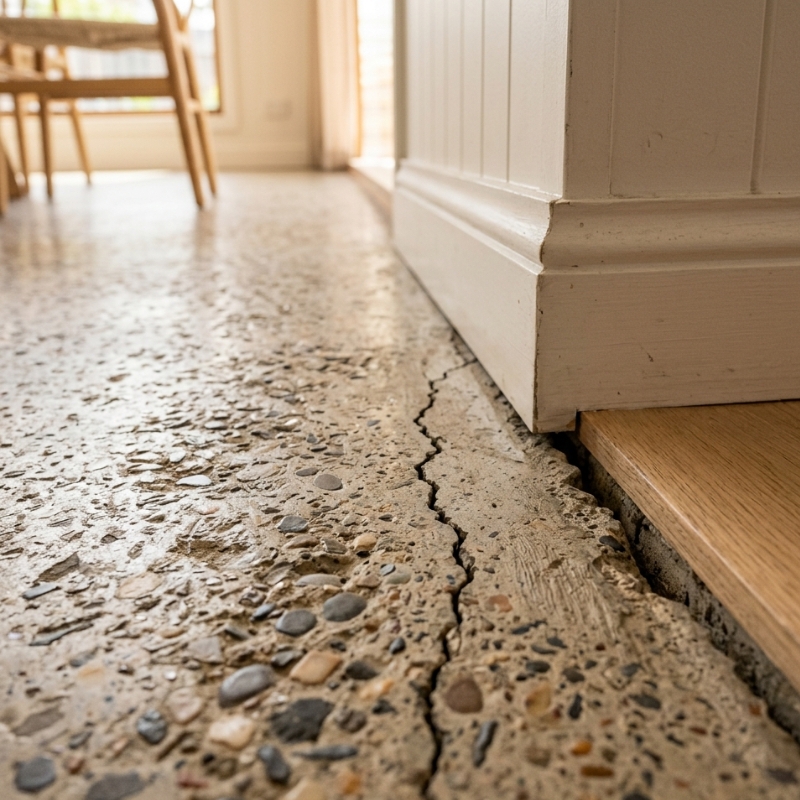
Cracks aren’t just unsightly — they’re often the first sign that something’s shifting below the surface. Wall cracks that widen at the top or angle downwards typically indicate uneven movement in the foundation. Typical crack indicators include:
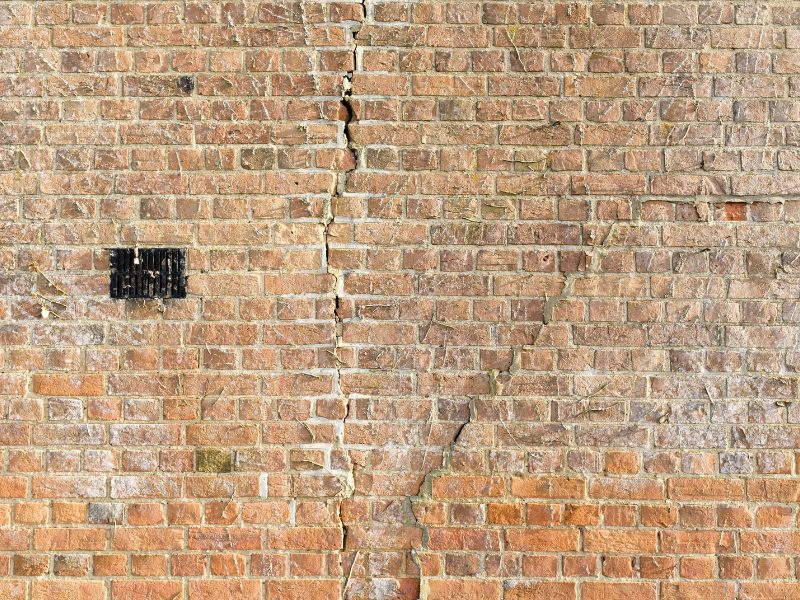
- Hairline cracks that evolve into wider gaps
- Cracks reappearing after cosmetic repair
- Floor tiles are cracking or lifting
- Skirting boards are pulling away from the walls
- Internal walls no longer flush
Solutions like slab jacking have helped resolve these structural issues, and it’s worth understanding the proven advantages of slab jacking for sunken concrete when evaluating repair options.
What challenges can arise during house subsidence repairs?
Subsidence repairs aren’t one-size-fits-all. Site conditions, access, building design, and soil composition all play a part — and they can throw up a few curveballs. Common hurdles include:
- Access restrictions limiting machinery use
- Legacy repairs masking underlying issues
- Heavy moisture variations affecting curing or resin performance
- Needing to relocate utilities like plumbing or gas
- Conflicting reports or misdiagnosis from different professionals
Despite these, non-invasive solutions are making it easier to work around tricky sites. While older methods, such as mass concrete underpinning, were once standard, newer systems are often faster, cleaner, and far more accurate.
Here’s a breakdown comparing some of the most used methods:
| Method | Invasiveness | Speed | Suitability |
| Resin injection | Low | Fast | Modern homes, minimal disruption |
| Mass concrete underpinning | High | Slow | Older properties, deep movement |
| Steel screw piles | Moderate | Moderate | Sites with limited access |
| Slab jacking | Low | Fast | Concrete floors, sunken slabs |
Each method has its own trade-offs and strengths, depending on your site conditions.
How does underpinning compare with other house subsidence solutions?
Underpinning isn’t what it used to be — and that’s a good thing. Traditional underpinning with mass concrete often meant weeks of disruption. Today’s alternatives offer more efficient results with less mess. Here’s how modern underpinning stacks up:
- Resin injection creates expansion and lifts foundations with pinpoint accuracy
- Screw piles can be installed with minimal soil disturbance
- Traditional underpinning is slower and costlier for similar results
- Modern methods are more adaptable to residential settings
- You avoid the mess, noise, and excavation of old-school repairs
When choosing between methods, it’s also smart to learn what to check for in existing homes to avoid structural risks, especially if you’re unsure whether underpinning is even needed.
Can professional releveling restore safety after subsidence?
Absolutely — if done correctly. A sinking home isn’t just an eyesore; it puts everything from plumbing to framing under strain. In Brisbane, professional releveling involves injecting material beneath the structure, restoring it to its original level, and aligning it. What can releveling address?
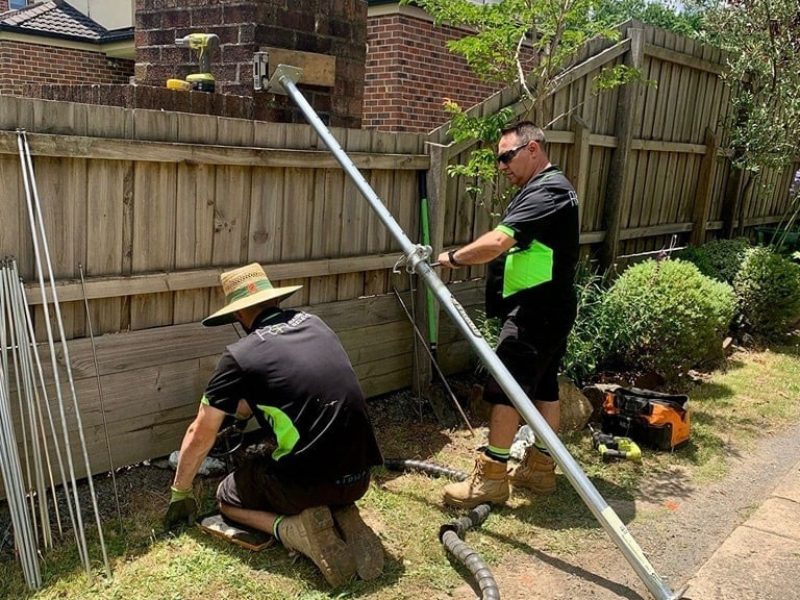
- Uneven floors were made level and stable.
- Cracks are sealed permanently once the structure stops moving
- Doors and windows are working smoothly again
- Prevents future moisture ingress from foundation movement
- Improves structural safety and long-term property value
Most homes that undergo proper releveling meet current structural safety benchmarks and retain long-term performance without repeat intervention.
Final thoughts
Living in a home with subsidence issues can be frustrating — even stressful. But you don’t have to put up with crooked doors, cracking walls, or sinking slabs. With accurate diagnostics and modern solutions, stability can be restored. If signs are emerging, it’s worth addressing sooner rather than later. You can learn how Raise & Relevel restores safety to subsiding homes through modern, non-invasive correction methods built for Brisbane conditions.