Sinking floors, cracked walls, and jammed doors rarely fix themselves. At some point, most property owners have to choose a contractor to put things right, and that decision matters more than it might first appear.
Choosing a concrete levelling service (also spelled concrete levelling) isn’t just about who answers the phone fastest or quotes the lowest price. This is a structural repair. The method used, the experience behind it, and the guarantee attached to it will decide whether the problem stays fixed or comes back in two years. This guide walks through what actually matters when comparing concrete levelling contractors, from licensing and insurance through to warranty terms and repair methods.
In This Guide
- What Does a Concrete Levelling Service Actually Do?
- What Should I Consider When Choosing a Concrete Levelling Service?
- Licensing and Insurance: Non-Negotiables for Any Concrete Levelling Company
- Experience and Specialisation: Specialists vs General Contractors
- Concrete Levelling Methods Compared: What a Professional Provider Should Offer
- Warranty and Guarantees: What a Reliable Contractor Should Offer
- Residential vs Commercial Concrete Levelling: Different Needs, Different Providers
- Red Flags and Common Mistakes When Comparing Contractors
- How to Get and Compare Quotes, Step by Step
- FAQs
- Book an On-Site Assessment Before You Decide
Before You Call a Contractor
- Choosing a concrete levelling service comes down to five checks: licensing, insurance, method range, assessment quality and warranty terms.
- A genuine concrete levelling specialist diagnoses the cause of movement before recommending a fix, rather than quoting a single method for every job.
- Licensed contractors carrying out residential work above certain value thresholds must hold home warranty insurance in most Australian states (Source: Queensland Building and Construction Commission).
- The cheapest quote is rarely the best value if it comes without a documented warranty on materials and artistry.
What Does a Concrete Levelling Service Actually Do?
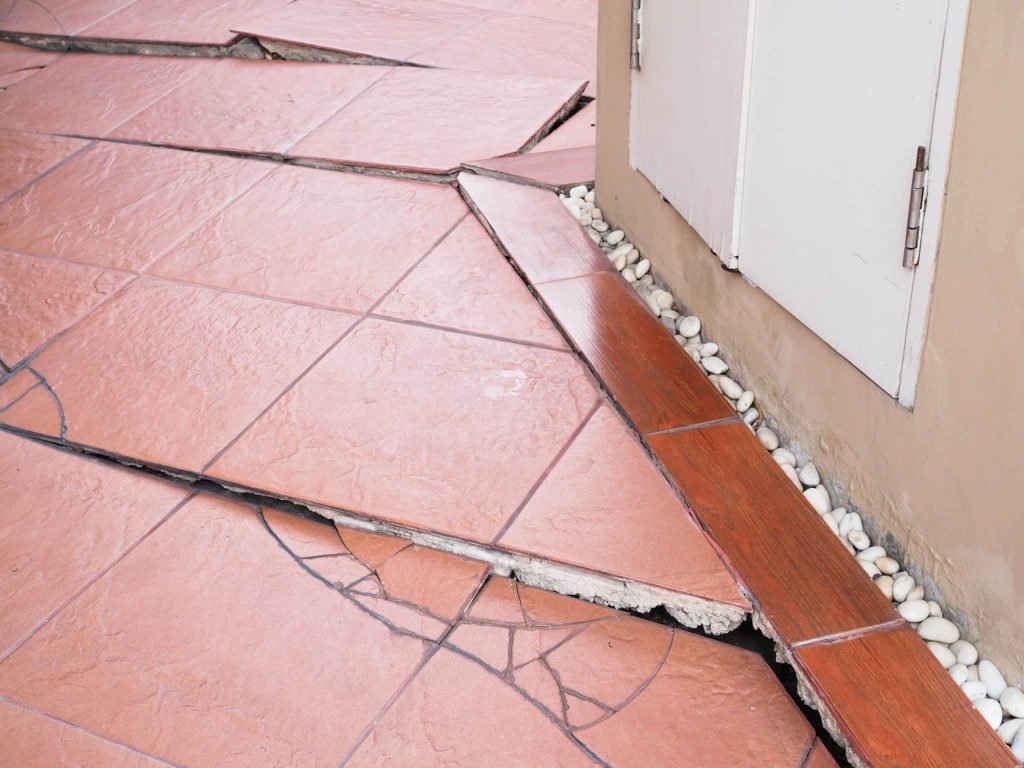
A concrete levelling service raises and stabilises sunken or uneven concrete slabs by restoring the ground support beneath them, usually with resin injection, slab jacking or specialised grouting, and without the need to demolish and repour the slab.
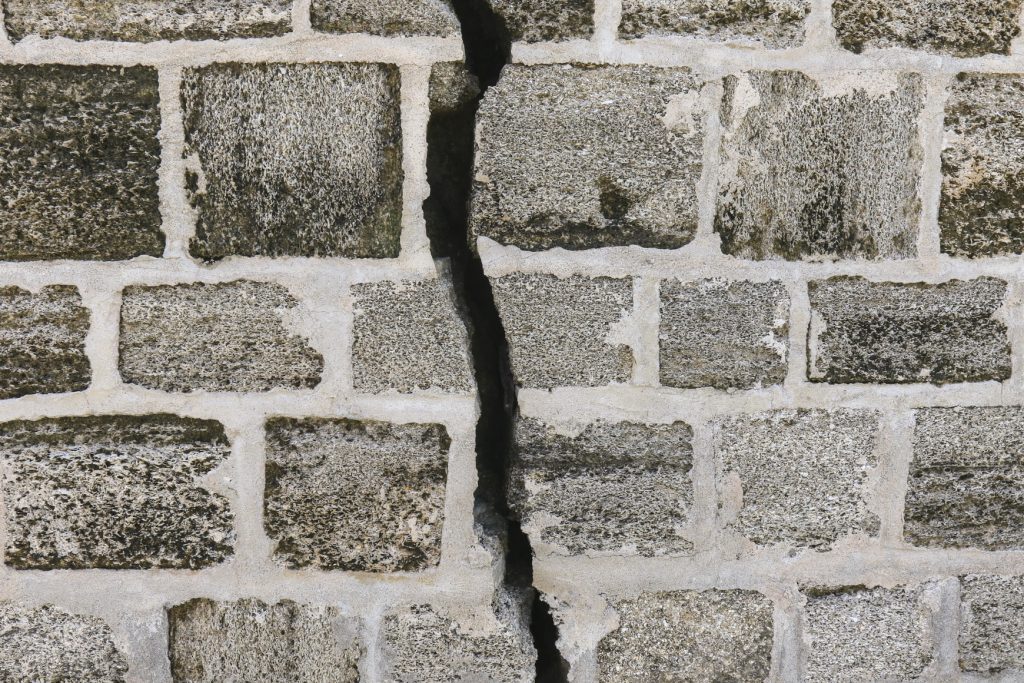
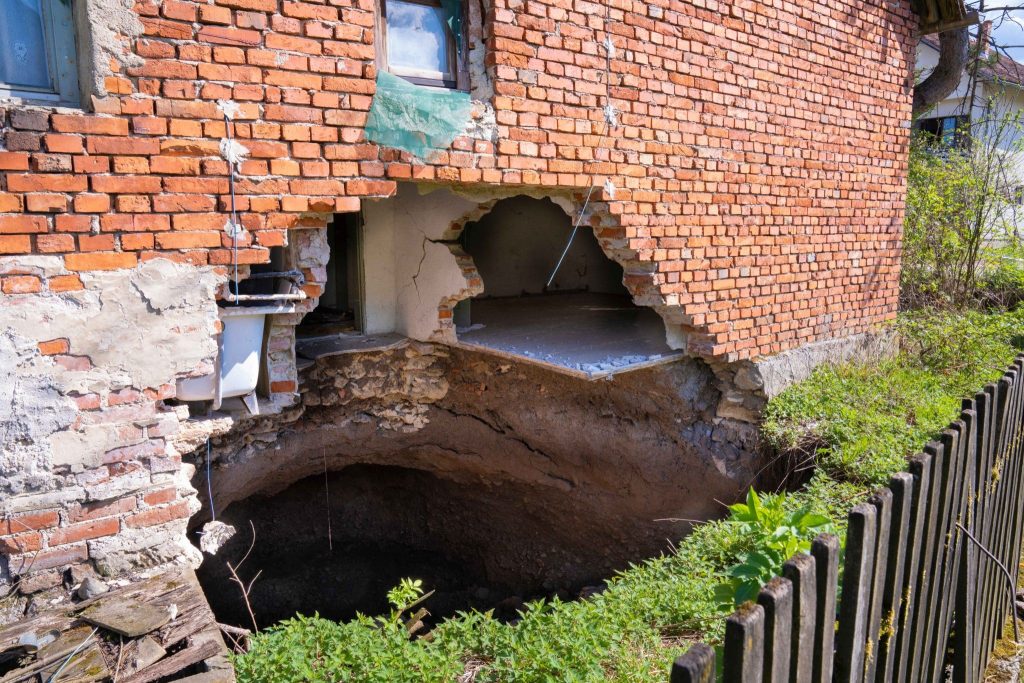
Concrete doesn’t fail on its own. It sinks or cracks because the ground beneath it has changed due to soil erosion, poor compaction, reactive clay movement, water ingress, or root activity. A good levelling service addresses that underlying cause, not just the visible crack or dip.
The umbrella term covers several distinct methods. Resin injection uses expanding polyurethane, pumped through small drilled holes, to fill voids and lift the slab. Slab jacking achieves a similar result using a cementitious slurry. Underpinning goes deeper, transferring load to more stable ground when the shallow soil has failed beyond what injection can fix. Specialised grouting stabilises loose subgrade material without necessarily lifting the slab.
The right method depends on the cause and extent of the movement. A driveway that has sunk two centimetres due to soil erosion in one section usually requires a resin injection or slab jacking job. At the same time, a house with active subsidence affecting multiple footings may also need underpinning. Ask a prospective contractor to explain which method applies to your specific problem and why, rather than accepting a generic “we level concrete” answer.
What Should I Consider When Choosing a Concrete Levelling Service?
When choosing a concrete levelling service, prioritise a current builder’s licence, adequate insurance, a documented assessment process, the range of methods offered, and a clear warranty on materials and workmanship. Those five factors separate a reliable company from one that’s likely to disappoint.
Licensing comes first. Building work in Australia is regulated at the state level, and a valid licence confirms the contractor is legally permitted to carry out the work and meets minimum competency requirements. Insurance is the second check: most states require home warranty insurance on residential building work above a set value, protecting you if the contractor fails to complete the job or defects appear later (Source: Queensland Building and Construction Commission).
Assessment quality is the third factor. A specialist should inspect the site, identify the cause of the slab movement and recommend a method based on that diagnosis rather than a fixed price list. Method range matters too, since a contractor with only one technique may apply it to problems it isn’t suited for. Finally, warranty terms indicate how confident the company is in its work. A specific, written warranty on both materials and artistry is a stronger signal than a verbal assurance.
The difference shows up quickly in practice. Two quotes for the same sunken patio slab might look similar in price. If one contractor explains that the movement comes from a drainage fault and recommends resin injection plus a downpipe fix, while the other simply offers to “pump some foam under it”, the first is diagnosing the problem and the second is guessing. Request the same information from every contractor you compare: licence number, insurance confirmation, proposed method and warranty terms in writing. Once those sit side by side, the comparison largely makes itself.
Licensing and Insurance: Non-Negotiables for Any Concrete Levelling Company
A concrete levelling company must hold a current builder’s or contractor’s licence for the state it’s working in, and residential work above a set value threshold generally requires home warranty insurance.
Licence requirements vary by state, and it’s worth checking before signing anything. In NSW, Fair Trading’s licence check tool lets anyone verify a contractor’s licence status, category of work and whether it’s current, suspended or cancelled, free of charge (Source: Service NSW). In Queensland, residential building work valued at over $3,300 generally requires the contractor to obtain home warranty insurance, which protects the homeowner if the work is defective or left incomplete (Source: Queensland Building and Construction Commission).
Working with an unlicensed contractor carries real risk. Beyond the higher likelihood of defective work, it can leave you without access to home warranty insurance schemes and with no recourse if something goes wrong. A homeowner in Queensland hiring a contractor for a $6,000 driveway levelling job should confirm the contractor holds a current QBCC licence and has arranged the required insurance before work begins, not after.
Ask for the licence number up front and verify it directly with the relevant state authority, rather than taking a business card at face value. Licensing and insurance aren’t paperwork formalities. They’re the mechanism that protects you if the work fails or the company goes out of business.
Experience and Specialisation: Specialists vs General Contractors
Concrete levelling specialists who focus specifically on subsidence and slab repair generally bring more relevant experience than general builders who occasionally take on levelling jobs alongside broader construction work.
Diagnosing why a slab has moved requires pattern recognition that comes from repeatedly doing the work across different soil types and building conditions. Reactive clay soils, common across Queensland, Victoria and parts of South Australia, behave very differently from sandy or eroded ground, and a specialist who has seen both is better placed to choose the right fix (Source: Geoscience Australia).
It’s also worth asking who actually attends the site. Some companies send a salesperson to quote the job and a separate crew to carry it out, which can create a gap between what was promised and what’s delivered. Others use the same qualified assessor for both the quote and the work, which keeps accountability with a single person throughout the project.
A commercial property manager comparing a general construction firm against a specialist for a warehouse floor will often find the specialist has handled dozens of similar slabs and can speak directly to load-bearing considerations for racking and forklift traffic. Ask how many similar properties or slab types a company has worked on, and whether the person quoting the job is the same person completing it.
Concrete Levelling Methods Compared: What a Professional Provider Should Offer
A professional concrete levelling provider should be able to explain multiple methods and, ideally, offer more than one, since no single technique suits every cause of slab movement.
| Method | Best Suited For | Disruption Level | Typical Timeframe |
| Resin injection (polyurethane) | Sunken slabs with intact structure, minor to moderate voids | Low (small drill holes only) | Hours to one day |
| Slab jacking (cementitious) | Larger settled slabs need a significant lift | Low to moderate | Around one day for a typical residential job |
| Specialised grouting | Loose or weak subgrade, settlement risk without a major lift needed | Low | Half a day to one day |
| Void filling | Empty spaces from erosion, pipe failure or soil shrinkage | Low to moderate | One day, depending on the void size |
| Underpinning | Active subsidence, failed shallow soil, structural instability | Moderate to higher | Several days to weeks |
| Crack injection and repair | Stable cracks not linked to active settlement | Low | Hours to one day |
A property with a sunken garage slab but stable surrounding soil is typically a straightforward resin injection or slab jacking job. At the same time, a home with ongoing wall cracking and multiple affected footings may also need underpinning. Be cautious of any contractor who proposes the same method regardless of what you describe, especially over the phone, before they’ve inspected the site. The breadth of methods a provider offers is a reasonable proxy for how tailored their recommendation is likely to be.
Warranty and Guarantees: What a Reliable Contractor Should Offer
A reliable concrete levelling contractor should provide a specific, written warranty covering both the materials used and the artistry, not just a general assurance of quality.
Warranty terms vary significantly between providers, and vague language is a warning sign. Look for a stated warranty period on the resin or grouting materials themselves, separate from an artistry warranty covering the labour and process. Ask what happens if the slab moves again within the warranty period. Does the company return at no cost, or does the warranty exclude common causes of recurrence, such as drainage faults or tree root activity?
Raise & Relevel backs its work with a 100-year warranty on resin products and a 50-year artistry warranty, and states plainly that if the problem returns, the team returns. That kind of specific, dual-part warranty is far easier to evaluate than a one-line “satisfaction guaranteed”. Get the terms in writing before work starts, including what triggers a free return visit and what’s excluded.
Residential vs Commercial Concrete Levelling: Different Needs, Different Providers
Residential concrete levelling typically covers driveways, patios and house slabs affected by soil movement, while commercial concrete levelling often involves larger loads, stricter compliance requirements and less tolerance for downtime.
A homeowner dealing with a sunken driveway has different priorities from a warehouse operator whose floor must support racking and forklift traffic without disrupting daily operations. Commercial and industrial levelling projects often bring additional considerations, including load-bearing calculations, scheduling around business hours, and compliance with workplace safety and accessibility standards under the National Construction Code (Source: Australian Building Codes Board).
The practical difference is visible in how jobs run. A residential driveway might be levelled in a single visit with minimal disruption to the household. At the same time, a commercial warehouse floor may need to be scheduled overnight or across a weekend to avoid halting operations. The techniques are the same, but the demands aren’t. Confirm that a prospective contractor has specific experience with your property type, whether residential, commercial, industrial or public sector.
Red Flags and Common Mistakes When Comparing Contractors
The most common mistakes are hiring on price alone, skipping licence verification, accepting a diagnosis without an on-site inspection, and not getting warranty terms in writing.
Some buyers choose the lowest quote without checking whether it covers the same scope of work as the competing quotes. Others skip licence verification altogether, assuming a professional-looking website or van is proof enough. The biggest red flag of all is a contractor willing to commit to a fixed price and method over the phone, sight unseen, because the correct method genuinely depends on what’s happening beneath the slab.
A property owner who accepts a phone-only quote for underpinning may discover, after work starts, that a less invasive, cheaper method would have solved the problem, or, worse, that underpinning was never needed at all. Treat an on-site inspection as a minimum requirement before accepting any quote, no matter how confident the caller sounds. Most bad outcomes in this category stem from skipping verification steps that take only a few minutes.
How to Get and Compare Quotes, Step by Step
Getting comparable quotes comes down to describing the problem consistently, insisting on an on-site inspection, and comparing licensing, methods and warranty terms side by side.
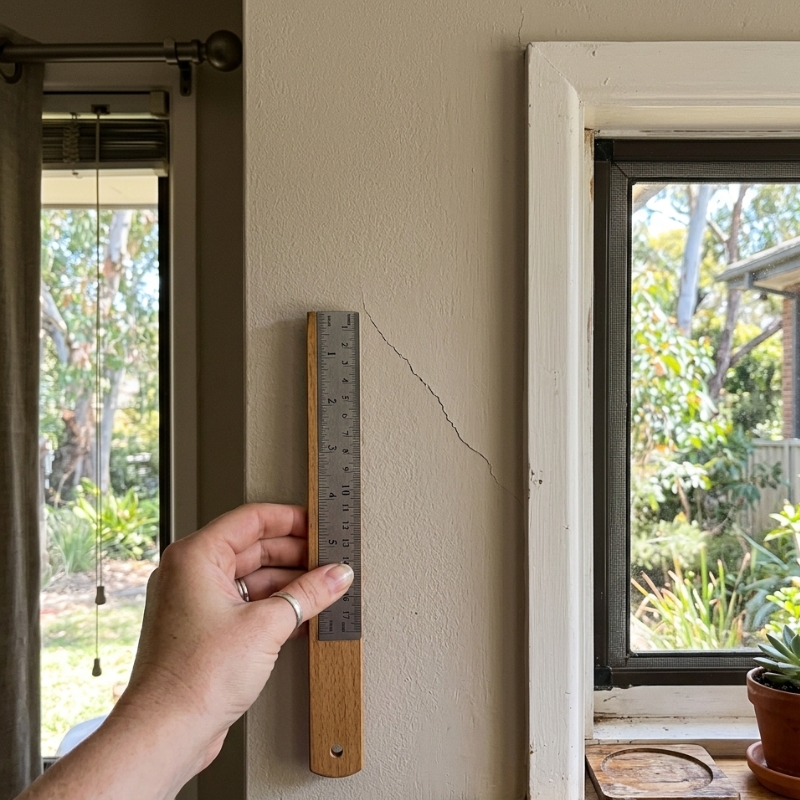
- Note the visible symptoms first: cracks, sloping, jammed doors or water pooling, and roughly how long they’ve been present.
- Contact two or three concrete levelling contractors and request an on-site assessment rather than a phone quote.
- Ask each contractor to explain the likely cause of the movement, not just the proposed fix.
- Confirm each contractor’s licence number and insurance status before comparing prices.
- Request the warranty terms in writing, including what happens if the problem recurs.
- Compare quotes on scope, method and warranty together, not on price in isolation.
Put your comparison criteria in a simple table before deciding, so price differences are weighed against what’s actually included. A strata manager comparing three quotes for a sunken common-area walkway might find that the cheapest quote excludes the drainage correction included in the use, making it a less complete solution despite the lowprilower price
How much does a concrete levelling service typically cost in Australia?
It depends on the method, the size of the affected area and the ground conditions. As a general guide, minor resin injection or slab-jacking repairs to a single slab section often start at around $2,000 to $3,000; larger driveway or house-slab jobs commonly fall between $5,000 and $15,000; and structural underpinning typically runs well into five figures. An on-site assessment is the only reliable way to get an accurate figure for your property. [Note for client: please confirm or adjust these indicative ranges before publishing.]
Is concrete levelling a permanent fix, or will the problem come back?
When the underlying cause of movement, such as drainage failure or soil erosion, is addressed alongside the levelling work, the results are generally long-lasting. If only the surface symptom is treated without addressing its cause, the movement can recur, which is why a proper diagnosis matters as much as the repair itself.
Can I level concrete myself instead of hiring a specialist?
DIY concrete levelling kits are available for minor cosmetic dips, but they don’t address voids or ground instability beneath the slab. For anything involving structural movement, cracking or safety concerns, a licensed specialist with the right injection equipment and diagnostic experience is the safer option.
How do I know if my problem needs underpinning instead of simple slab levelling?
Underpinning is generally needed when subsidence is active and affecting the building’s foundations, not just a surface slab. Signs include ongoing wall cracking, doors and windows that keep jamming despite previous repairs, and settlement that continues to worsen. A professional assessment will clarify which category your property falls into.
Do concrete levelling companies work on both driveways and building foundations?
Many specialist concrete levelling companies handle both, since the underlying causes of movement, such as soil erosion, reactive clay and poor drainage, often affect driveways and building slabs on the same property. It’s worth confirming a contractor’s experience across both applications if you have issues in multiple areas.
Book an On-Site Assessment Before You Decide
Choosing a concrete levelling service is ultimately a decision about who you trust to diagnose a structural problem correctly. Licensing and insurance protect you legally; the right method matters more than the lowest quote; and a specific written warranty tells you how confident a contractor is in its work. Raise & Relevel brings together more than 100 years of combined experience in raising and levelling structures across Sydney, Melbourne and Brisbane, backed by a 100-year resin warranty and a 50-year artistry guarantee, with the same qualified specialist who quotes your job carrying it out. Read more on why concrete levelling matters for safety and compliance, or if you’re weighing up contractors for a sinking slab or unlevel building, get in touch with our team to arrange an on-site assessment.
External References
Australian Building Codes Board. National Construction Code. 2026. https://www.abcb.gov.au/ Accessed 29 July 2026.
Geoscience Australia. Geoscience and Geohazards Resources. 2026. https://www.geoscience.gov.au/ Accessed 29 July 2026.
Queensland Building and Construction Commission. Home Warranty Insurance: A Guide for Homeowners. 2026. https://www.qbcc.qld.gov.au/news/home-warranty-insurance-guide-homeowners Accessed 29 July 2026.
Service NSW. Check a Builder or Tradesperson Licence. 2026. https://www.service.nsw.gov.au/transaction/check-a-builder-or-tradesperson-licence Accessed 29 July 2026.
Victorian Building Authority. Building Regulations and Standards. 2026. https://www.vba.vic.gov.au/ Accessed 29 July 2026.