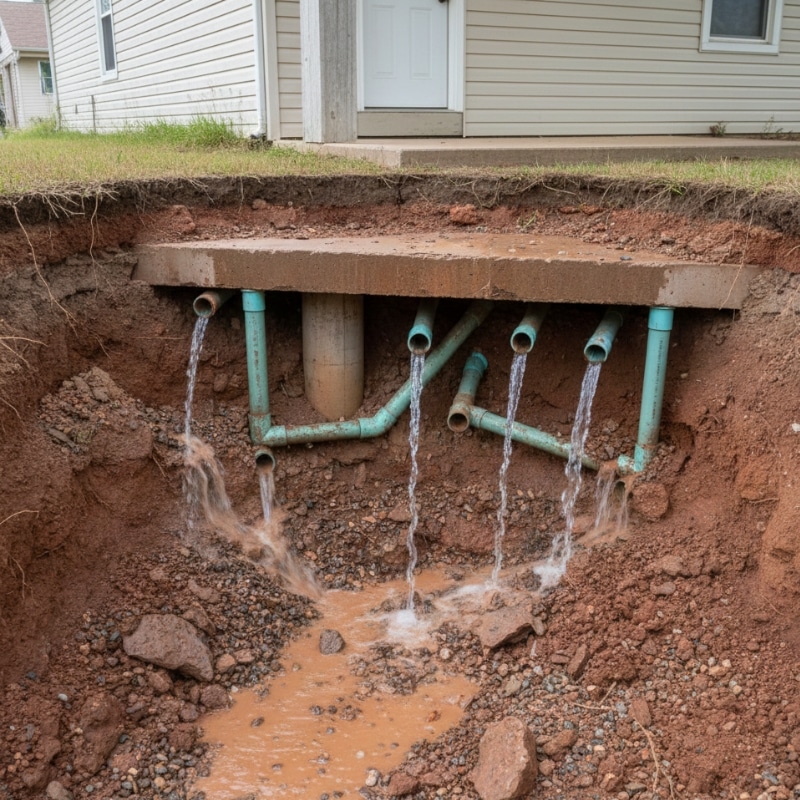
Water leaks are often seen as a plumbing issue — inconvenient, wasteful, but easily fixed. What many Australian homeowners don’t realise is that undetected or ongoing water leaks can quietly destabilise the ground beneath a home, leading to subsidence and long-term foundation movement.
In cities like Melbourne, where reactive clay soils are common, and many homes rely on ageing underground plumbing, water-related ground movement is a growing concern. Understanding how leaks interact with soil and foundations can help homeowners recognise risks early and avoid serious structural consequences.
What Is Subsidence and Foundation Movement?
Subsidence occurs when the ground beneath a building loses strength or volume, causing part or all of the structure to sink. Foundation movement refers to any shifting, settling, or rotation of a building’s footings or slab as a result of changes in ground conditions.
Not all movement is immediately dangerous, but uneven or progressive movement is a red flag. When water leaks are involved, the risk tends to increase because moisture changes directly affect soil behaviour.
Many homeowners first encounter these problems as unexplained cracking, sloping floors, or doors that suddenly stick — often long after the original leak began.
Why Water Leaks Are a Major Cause of Subsidence
Water leaks don’t damage foundations directly. Instead, they change the physical properties of the soil that supports the structure.
Depending on soil type, leak location, and duration, water can:
- Wash away fine soil particles
- Soften and weaken load-bearing soil
- Create underground voids
- Trigger swelling or shrinkage in reactive clays
- Cause uneven support beneath footings or slabs
Over time, these changes reduce the soil’s ability to carry the weight of the building, leading to settlement and movement.
Common Types of Water Leaks That Lead to Ground Movement
Leaking Water Supply Pipes
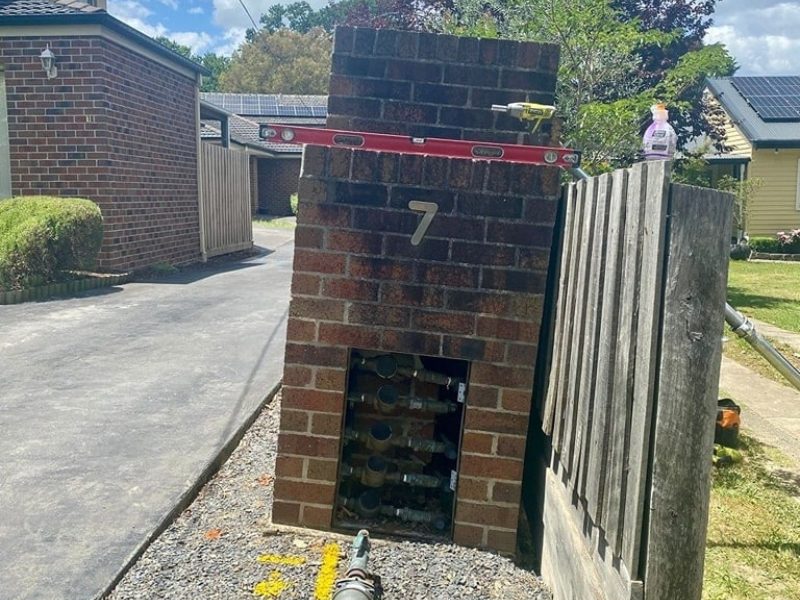
Pressurised water pipes are one of the most damaging sources of subsidence-related leaks. Even a small crack can release a continuous flow of water into the soil, saturating it for months before the issue is detected.
Because these pipes are often located close to or beneath foundations, the impact on soil stability can be severe.
Broken Sewer and Drain Pipes
Sewer leaks are especially problematic because they often go unnoticed. Wastewater escaping into the ground can erode soil over time, gradually creating voids beneath footings.
In some cases, homeowners only discover the issue once visible movement has already occurred.
Stormwater Drain Failures
Blocked or damaged stormwater pipes can redirect large volumes of rainwater into areas not designed to handle it. During Melbourne’s heavy rain periods, this can rapidly undermine soil around foundations.
Plumbing Leaks Under Slabs
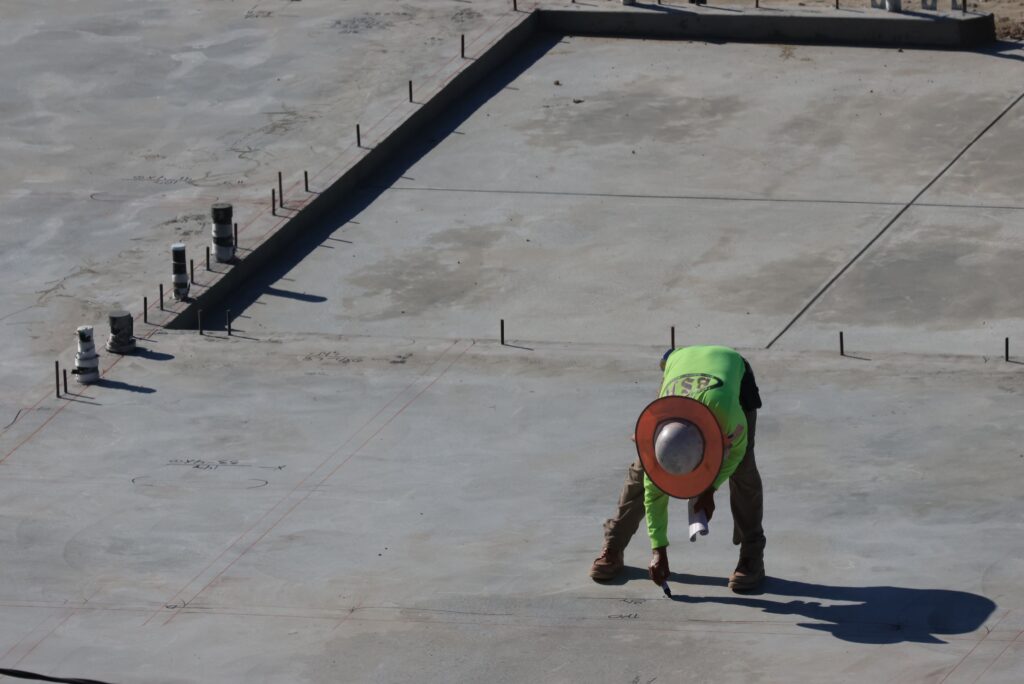
Homes built on concrete slabs are not immune. Leaks beneath slabs can soften soil, reduce bearing capacity, and cause uneven slab settlement — often without obvious surface water signs.
How Water Leaks Affect Different Soil Types in Australia
Reactive Clay Soils
Much of Melbourne is built on reactive clay soils, which expand when wet and shrink as they dry. Water leaks create localised moisture imbalances, causing uneven expansion or contraction beneath the home.
This uneven movement is a leading contributor to cracking and distortion.
Sandy or Silty Soils
In sandier soils, water leaks tend to wash material away rather than cause swelling. This process, known as soil erosion or washout, can leave voids beneath footings that lead to sudden settlement.
Fill and Disturbed Soils
Homes built on filled ground are particularly vulnerable. Added moisture can weaken poorly compacted fill, increasing the likelihood of subsidence when leaks occur.
The Chain Reaction: From Leak to Structural Movement
Water-related subsidence usually develops in stages:
Stage 1: Undetected Leak Begins
Water escapes into the surrounding soil, often without visible signs inside the home.
Stage 2: Soil Weakening or Erosion
As moisture levels change, soil loses strength, swells, shrinks, or washes away.
Stage 3: Loss of Uniform Support
Foundations no longer sit on evenly supported ground.
Stage 4: Visible Foundation Movement
Cracks, sloping, or misalignment begin to appear.
Stage 5: Ongoing Movement
Even after repairs stop the leak, the ground often fails to recover on its own, allowing movement to continue.
This is why addressing plumbing issues alone doesn’t always resolve underlying subsidence issues in residential properties.
Warning Signs of Subsidence Caused by Water Leaks
Recognising early indicators can prevent more extensive damage.
Internal Signs
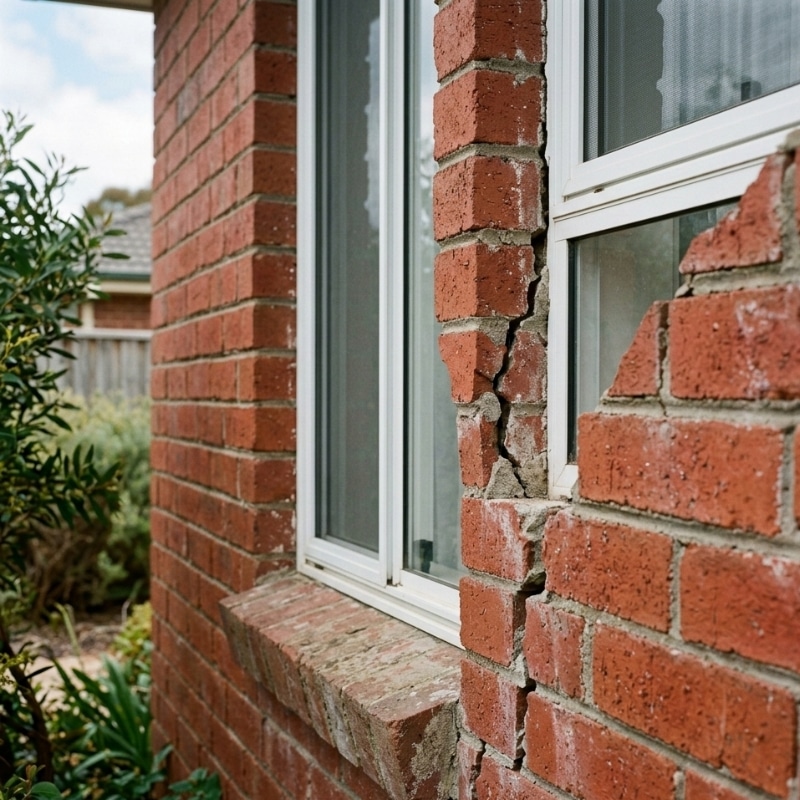
- Cracks forming around doorways or windows
- Doors and windows are sticking or jamming
- Uneven or sloping floors
- Gaps between walls and ceilings
External Signs
- Cracks in brickwork or rendered walls
- Separation between steps, patios, and the house
- Localised sinking near external walls
- Persistent damp areas near foundations
These symptoms often overlap with other structural issues, which is why understanding the broader understanding of subsidence risks is critical for homeowners.
Why Movement Can Continue After a Leak Is Fixed
A common misconception is that repairing the leak solves the problem. In reality, once soil structure is compromised:
- Washed-out soil does not return on its own
- Clay soils may not recompact evenly
- Voids beneath footings can remain
- Load redistribution can cause delayed settlement
This explains why some homeowners notice signs of subsidence in residential homes months after plumbing repairs are completed.
Slab Foundations vs Footings: How Damage Differs
Concrete Slabs
Slabs rely on consistent soil support. When water leaks, soften or erode soil beneath part of the slab, differential settlement can occur, leading to cracking across the slab surface.
Strip Footings and Stumps
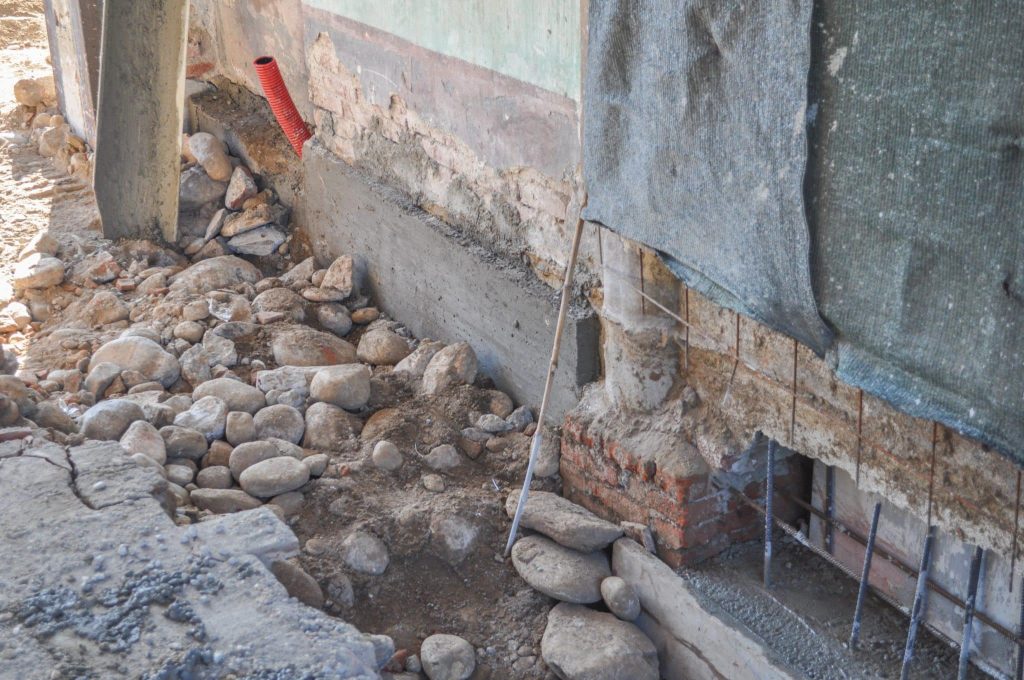
Older homes with strip footings or stump systems may experience more visible movement. As soil weakens, footings can rotate or settle unevenly, often causing pronounced wall cracking.
Insurance and Responsibility Considerations (General Guidance)
In Australia, responsibility is often divided:
- Maintenance plans or insurance policies may cover plumbing repairs
- Insurers may treat the resulting structural movement as a separate issue
- Insurance policies do not always cover gradual damage
Guidance from recognised authorities, such as Building and Energy Victoria, highlights the importance of early detection and documentation when structural movement is suspected.
Why Early Assessment Matters
Left unchecked, water-related subsidence can escalate from minor cosmetic damage to structural instability. Early assessment allows homeowners to:
- Identify whether the movement is ongoing or historical
- Determine if the soil has lost bearing capacity
- Prevent further settlement
- Avoid compounding repair costs
When you suspect subsidence or foundation movement, you need to understand when ground conditions require professional evaluation.
Key Takeaways for Australian Homeowners
- Water leaks can quietly destabilise soil beneath homes
- Different soils respond differently to excess moisture
- Damage often continues after leaks are repaired
- Early warning signs should never be ignored
- Subsidence is easier to manage when identified early
Frequently Asked Questions
Can a small water leak really cause subsidence?
Yes. Even low-volume leaks can cause long-term soil weakening if left undetected.
How long does it take for a leak to cause foundation movement?
This depends on soil type, leak volume, and location. In some cases, damage can begin within months.
Are slab homes safe from subsidence?
No. Slabs are vulnerable to uneven soil support caused by moisture changes beneath the concrete.
Will cracks stop growing once the leak is fixed?
Not always. If soil support has already been compromised, movement may continue.
Is subsidence always dangerous?
Not immediately, but progressive or uneven movement should always be assessed.
Final Thoughts
Water leaks are one of the most underestimated causes of subsidence in Australian homes. By understanding how moisture affects soil and foundations, homeowners can recognise risks early and make informed decisions before structural movement becomes severe.