If your floor feels like it has developed a “lean” overnight, you’re not imagining things. Uneven or sinking floors are a common homeowner complaint across Australia, and they can range from harmless quirks in older homes to early clues that something below the surface has changed.
In Sydney and across NSW, the big theme is movement — not just of the building, but of the ground and moisture conditions around it. Hot, dry spells, intense rain events, drainage problems, plumbing leaks, nearby trees, and even renovation changes can all influence how a home sits over time.
This guide will help you:
- Understand the most common reasons floors become uneven in Australia
- Spot the difference between “settling” and “active movement”
- Do a few safe, practical checks at home
- Know when it’s time to escalate (and why)
First, what “uneven floors” usually looks like
- Uneven floors don’t always look dramatic. Often, homeowners notice them in everyday moments:
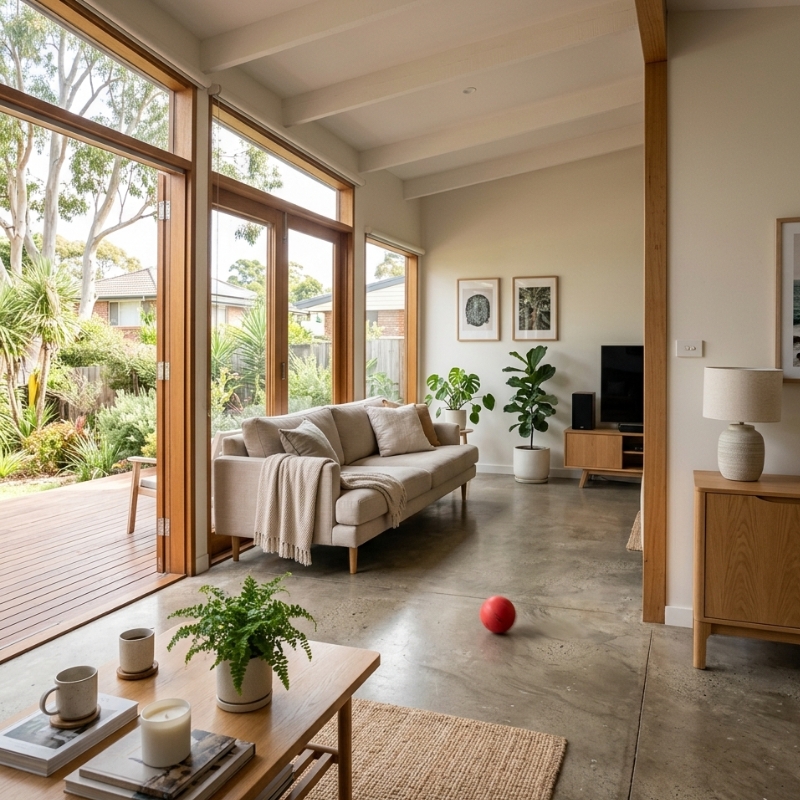
- A ball slowly rolls to one side of the room
- Furniture rocks slightly (especially on tiles or timber boards)
- A hallway feels like it slopes downhill
- Doors start rubbing, sticking, or swinging shut on their own
- Gaps appear between skirting boards and flooring, or at cornices
It’s also common to have unevenness that’s isolated to one area (a corner of a living room, near a wet area, or along an external wall), rather than the whole house.
Q&A: Is an uneven floor always a structural problem?
Not always. Some unevenness comes from age, minor settlement, or flooring changes. What matters is whether it’s:
- Getting worse
- Showing up with other symptoms (cracks, sticking doors, new gaps)
- Concentrated in a specific area (which can suggest a localised cause like drainage or a leak)
Why uneven floors happen in Australian homes
Australian homes vary — suspended timber floors, older stumped homes, brick veneer, concrete slabs — but the underlying drivers of uneven floors are surprisingly consistent.
1) Moisture changes in reactive clay soils
Many parts of Sydney sit on clay-rich soils. Clay expands when wet and shrinks when dry. That swelling and shrinking can lift or drop sections of the footing system over time, creating differential movement (movement that’s uneven across the footprint of the home).
You might notice this pattern:
- Floors feel worse after a long dry spell or drought conditions
- Doors and windows become harder to open/close seasonally
- Cracking changes after heavy rain events
This doesn’t automatically mean “major structural issue,” but it does mean the home may be responding to soil moisture swings.
A helpful authority reference for homeowners is CSIRO’s guidance on footing performance and foundation maintenance, which explains how moisture management around the home can reduce movement risk: CSIRO guidance on foundation maintenance and footing performance.
2) Poor drainage around the house
Drainage issues are a huge and often overlooked driver of uneven floors, especially when water is allowed to concentrate near part of the building.
Common culprits include:
- Blocked gutters and downpipes overflowing near a corner of the home
- Downpipes discharging right at the base of walls
- Ground that slopes towards the house instead of away
- Garden beds built up high against walls
- Poorly directed stormwater (or missing stormwater connections)
Water that repeatedly saturates one area can soften and weaken support below, leading to localised settlement.
3) Plumbing leaks (under slabs or in wet areas)
A slow leak can quietly wash out or soften supporting material below a slab or around footings. Signs that suggest plumbing might be involved:
- Unevenness worsening near a bathroom, laundry, kitchen, or hot water system
- Damp smells, unexplained humidity, or persistent wet patches
- Water bills increasing without a clear reason
- New cracking around tiles, grout lines, or wet-area junctions
If you suspect a leak, prioritise that investigation early. It’s one of the more “fixable” root causes — and addressing it quickly can prevent further movement.
4) Tree roots and landscaping effects
Trees don’t “push” slabs down like a lever in most cases. The more common issue is moisture demand. Large trees can draw significant moisture from clay soils, increasing shrinkage during dry conditions — especially when trees are close to the home or concentrated on one side.
Watch for:
- More unevenness on the side of the house with mature trees
- Changes that track seasonal dry periods
- Recurring cracks that open and close over the year
5) Age and building type factors (timber floors, stumps, bearers and joists)
In older Australian homes — particularly those with suspended timber floors — unevenness may come from:
- Stump settlement or movement
- Bearer/joist deflection (timbers sagging slightly over decades)
- Subfloor moisture issues (poor ventilation, dampness, timber degradation)
- Past repairs that weren’t levelled consistently
This is where pattern matters. A gentle “wavy” feel across a large area may be different to a sharp dip in one corner.
6) Renovations and load changes
Sometimes the floor didn’t “suddenly fail” — the house simply got asked to carry loads differently.
Examples:
- Removing a wall (especially if it was load-bearing)
- Adding heavy kitchen stone benchtops and cabinetry on one side
- Changing wet-area layouts and plumbing runs
- Adding a second storey or significant extension
- Poor-quality subfloor modifications
If unevenness appeared after renos, it’s worth reviewing what changed and where.
Settling vs structural movement: how to tell the difference
Homeowners often hear, “It’s just settling.” Sometimes that’s true. But “settling” is an explanation, not a diagnosis.
Here’s a practical way to think about it:
“Likely settling” tends to look like:
- Small changes over a long time
- No meaningful progression month-to-month
- Minimal secondary symptoms (few or stable cracks, doors mostly fine)
- A consistent slope that doesn’t seem to worsen
“Possible active movement” tends to look like:
- Noticeable change over weeks or a few months
- Cracks that widen, lengthen, or reappear after repairs
- Doors that suddenly stick or swing
- Gaps opening at skirting boards, cornices, or around window frames
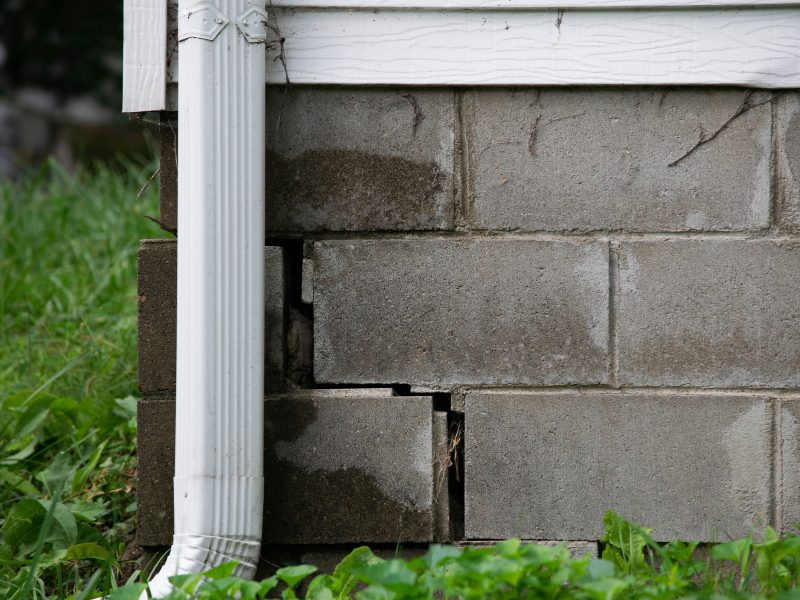
- External brick cracking or separation (if applicable)
- A distinct dip or tilt in a specific zone
Q&A: How much slope is “too much”?
There isn’t one magic number that applies to every home, because the cause, building type, and the rate of change matter. A slight slope that’s been stable for years can be less concerning than a new slope that’s developing quickly. The key is documenting what you’re seeing and watching for change.
A simple at-home uneven floor checklist (safe and practical)
You don’t need fancy tools to gather useful information. The goal is to figure out:
- Where the unevenness is
- Whether it’s changing
- Whether other symptoms are showing up in the same area
1) Map the “feel” of the floor
Walk slowly and note:
- The exact spot where it dips or rises
- Whether it’s a gentle slope or a sharp change
- Whether it’s along an external wall, near a wet area, or near a doorway
Tip: mark the spot on a simple sketch of the room (even a rough one).
2) Do the “ball test” in multiple directions
Use a tennis ball (or similar) and roll it:
- Across the room
- Diagonally
- Along the wall line
Record which direction it consistently travels.
3) Use a phone level or a small spirit level
A phone level app can be good for comparisons (even if not engineering-grade). Pick consistent spots:
- Near each corner of the room
- Mid-wall points
- Near doorways
Write down readings and repeat them later.
4) Check doors and windows nearby
- In the area where the floor is uneven:
- Do doors rub at the top, side, or bottom?
- Do they swing open or shut by themselves?
- Are windows harder to latch?
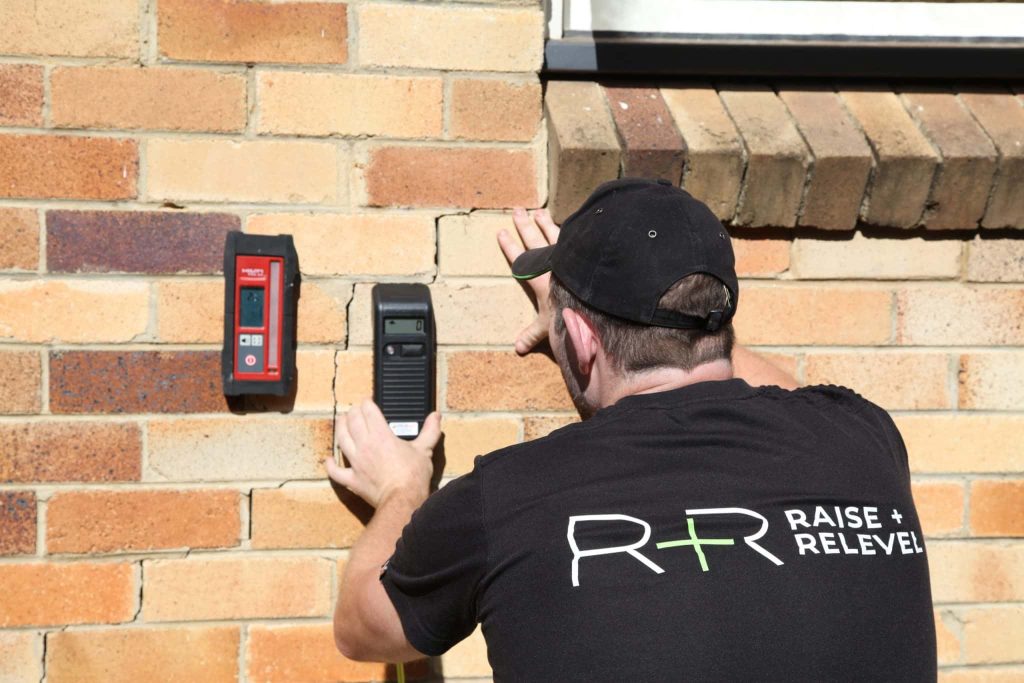
5) Photograph cracks and gaps with a reference
If there are cracks:
- Take a clear photo
- Include a coin or ruler for scale
- Take photos from the same angle each time
If you want to be organised, create a simple folder on your phone labelled by room.
Q&A: How long should I monitor before I worry?
If you’re only seeing mild unevenness with no other symptoms, a short monitoring period can be helpful. If you’re seeing rapid changes, widening cracks, or doors suddenly jamming, it’s smarter to escalate sooner rather than later.
What the pattern of unevenness can suggest
Different patterns can hint at different causes (without jumping to conclusions).
One-room dip (localised low spot)
Often linked to:
- Drainage concentration at one corner
- A plumbing leak
- Localised soil softening
- Local support changes in a subfloor zone
Whole-house gentle slope
Can be associated with:
- Long-term settlement
- Broader soil movement
- Older home characteristics (particularly if stable and unchanged)
Diagonal fall (one corner high, opposite corner low)
Sometimes seen with:
- Differential movement across the building footprint
- Moisture imbalance (wet side vs dry side)
- A combination of drainage and soil reactivity
Unevenness near wet areas
Consider:
- Plumbing leaks
- Waterproofing failures leading to ongoing moisture
- Changes after renovations
What to do right now if you’re concerned
If you’re standing in your hallway thinking, “This definitely wasn’t like this last year,” here’s a sensible approach that stays practical and calm.
1) Rule out obvious moisture and drainage issues first
These are the quickest wins and often the most impactful:
- Clear gutters and confirm downpipes discharge properly into stormwater
- Ensure surface water flows away from the house (not towards it)
- Avoid overwatering garden beds right against the home
- Look for signs of persistent dampness near wet areas
- Consider a plumbing leak check if you suspect one
2) Start documenting (even for peace of mind)
A simple “before and after” record makes future decisions easier:
- Photos of cracks/gaps
- Notes of door/window changes
- Ball test direction
- Phone level readings in the same spots
3) Decide whether this is a “monitor” or “escalate” situation
Escalate sooner if:
- Changes are happening quickly
- Multiple symptoms are appearing together
- There’s a sharp dip or sudden tilt
- You suspect a leak under a slab
- You’re planning renovations (you don’t want to build on a moving base)
If you want a deeper guide on decision-making and documentation, these are good next steps if your floors are sinking to help you move from “I’ve noticed something” to “I know what to check next” without spiralling.
When uneven floors can become a bigger issue
Uneven floors aren’t just about comfort. If movement is active, it can affect:
- Door and window frames (alignment and latching)
- Wall finishes (cracking, separation)
- Flooring materials (tile cracking, board separation)
- Cabinetry and benchtops (gaps, stress points)
- Plumbing integrity over time
The earlier you identify whether the movement is stable or changing, the more options you typically have.
Q&A: Can I just replace the flooring to “fix” uneven floors?
New flooring can hide a symptom, but it doesn’t address the cause. If movement is ongoing, new tiles, boards, or cabinetry can crack or separate again. It’s usually wiser to understand the “why” before investing in finishes.
If you’re renovating in Sydney, check this before you proceed
Sydney renovations often involve kitchens, bathrooms, and open-plan layouts — all areas where uneven floors can create headaches.
Before installing:
- Engineered timber flooring
- Custom cabinetry or joinery
- Stone benchtops
- Sliding doors
…make sure you understand whether the floor is stable.
If you’re unsure, it helps to learn what to do about a sinking floor before locking in expensive finishes. Even if your situation turns out to be minor settling, having clarity can prevent costly rework.
Red flags that warrant professional advice sooner
Use this as a quick “don’t ignore it” list:
- Unevenness that noticeably worsens over weeks/months
- Cracks that widen, multiply, or reappear after patching
- Doors or windows suddenly sticking or jamming
- Separation at cornices, skirting boards, or window frames
- Tile cracking that wasn’t there before
- Visible external cracking or separation (if applicable)
- Suspected plumbing leak under slab or near wet areas
- You’re planning renovations and want to avoid build-on-top failures
If multiple items are showing up together, that’s your cue to take it seriously.
If you’re at that point, it can be useful to get help with sinking floors so you can move from guessing to getting clear answers about what’s happening and what’s sensible to do next.
FAQs about uneven floors in Australian homes
Are uneven floors common in older Australian houses?
Yes. Many older homes (especially suspended timber floors) develop some unevenness over decades due to stump movement, timber deflection, and subfloor conditions. The key is whether it’s stable or changing.
Can heavy rain make my floors feel more uneven?
It can. In reactive soils, rainfall can change moisture content and cause expansion in parts of the soil. If water concentrates near one section of the house due to drainage issues, unevenness can be more pronounced.
Do tree roots cause uneven floors?
Indirectly, they can. The bigger influence is often how trees change soil moisture levels — particularly in clay soils — which can increase shrink/swell movement, especially on one side of the home.
How do I know if it’s a leak under my slab?
Look for clues like unevenness near wet areas, persistent damp smells, unexplained wet patches, or rising water bills. A licensed leak detection or plumbing assessment can help confirm.
Should I monitor or act straight away?
If it’s mild and you have no other symptoms, a short monitoring period with photos and notes can be reasonable. If it’s progressing quickly or you have multiple red flags (cracks + sticking doors + sudden dip), escalate sooner.
Can uneven floors affect resale value?
They can, mainly because buyers worry about the unknown cause. Having documentation and clear explanations (and resolving contributing factors like drainage/leaks) can help reduce uncertainty.