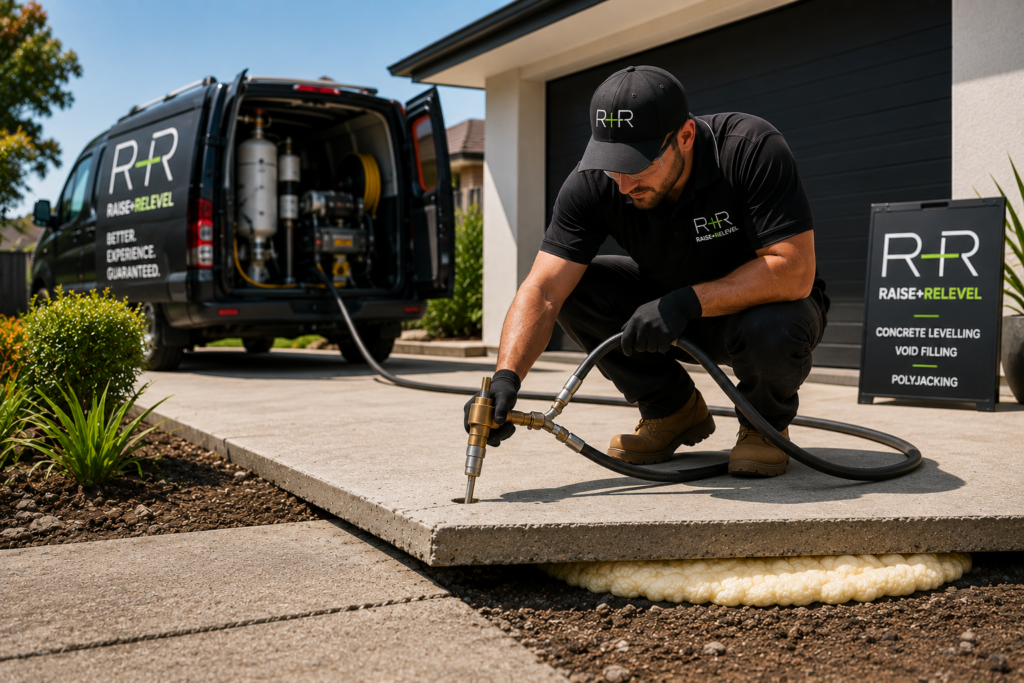
The best method for slab repair depends on what caused the damage and how far it has progressed. For most settled slabs across Australia, concrete levelling and slab lifting deliver effective, lasting results without demolition. Getting the diagnosis right first is what separates a repair that holds from one that fails within a season.
Key Takeaways
- Choosing the right slab repair method starts with identifying the root cause of movement, because surface fixes that don’t address what lies beneath the slab rarely last.
- Concrete levelling is one of the most cost-effective and least disruptive options available for Australian property owners dealing with settled but structurally sound slabs.
- Many slabs that appear beyond repair can be successfully repaired when a professional assessment determines that the concrete still has sufficient structural integrity.
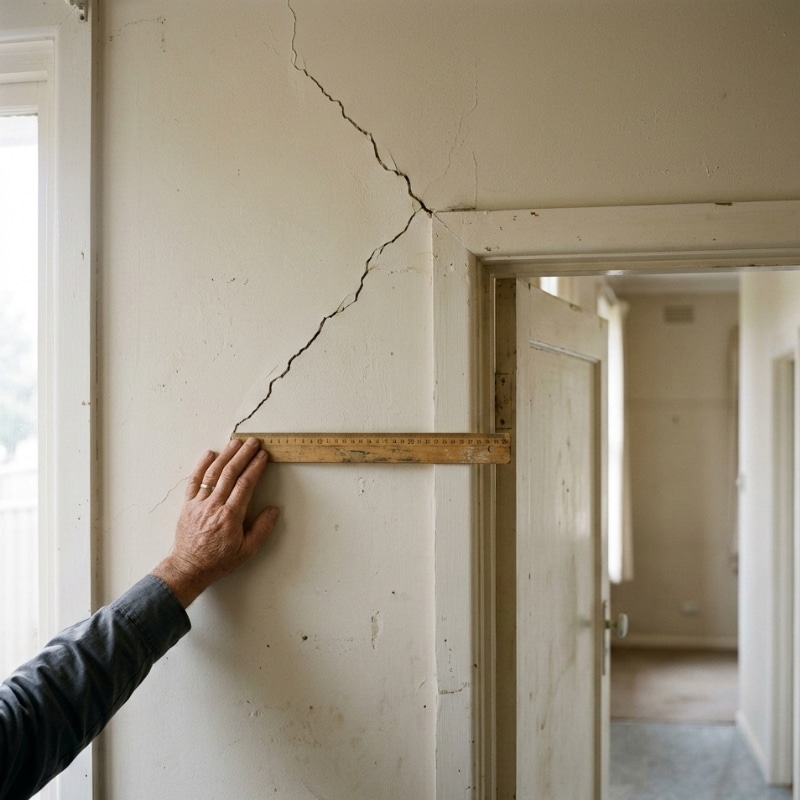
- Acting early on warning signs like uneven floors, sticking doors, and new cracks reduces repair costs significantly and prevents more serious structural damage from developing.
How Do Professionals Determine the Right Repair Approach?
A professional slab repair assessment goes well beyond looking at visible cracks. Before any method is recommended, specialists inspect the site to understand the full picture of what has happened beneath and around the concrete. This diagnostic phase is where good repair decisions are made, and poor ones are avoided.
Site inspections typically cover several key areas. Technicians measure settlement across the affected slab, check for voids beneath the concrete using probing or scanning methods, review drainage conditions around the structure, and assess whether soil movement is still active or has stabilised. Knowing whether the ground is still shifting matters enormously for method selection.
Soil type is a significant variable across Australian properties. Reactive clay soils, which expand when wet and contract when dry, are common in Queensland, Victoria, and parts of South Australia. These soils place repeated cyclical stress on slabs over time, and any repair plan needs to account for that ongoing behaviour. Geoscience Australia documents the distribution of reactive soils across the country, and this information informs how geotechnical professionals assess different regions.
For larger commercial and industrial projects, a geotechnical report is often part of the process. This assessment examines subgrade bearing capacity and helps specify repair methods that perform under real load conditions. Cosmetic surface repairs without this foundation of understanding often fail to hold, particularly on slabs supporting machinery, vehicles, or heavy foot traffic.
What Are the Most Common Slab Repair Methods Used in Australia?
Australia’s variable soils, climate zones, and building stock mean that a range of repair techniques is used across the country. The right method for a residential driveway in Perth differs from that for a warehouse floor in Townsville. Professionals draw on published concrete repair guidance and site-specific assessment to match the technique to the situation.
Here are the main slab repair methods used across Australian projects:
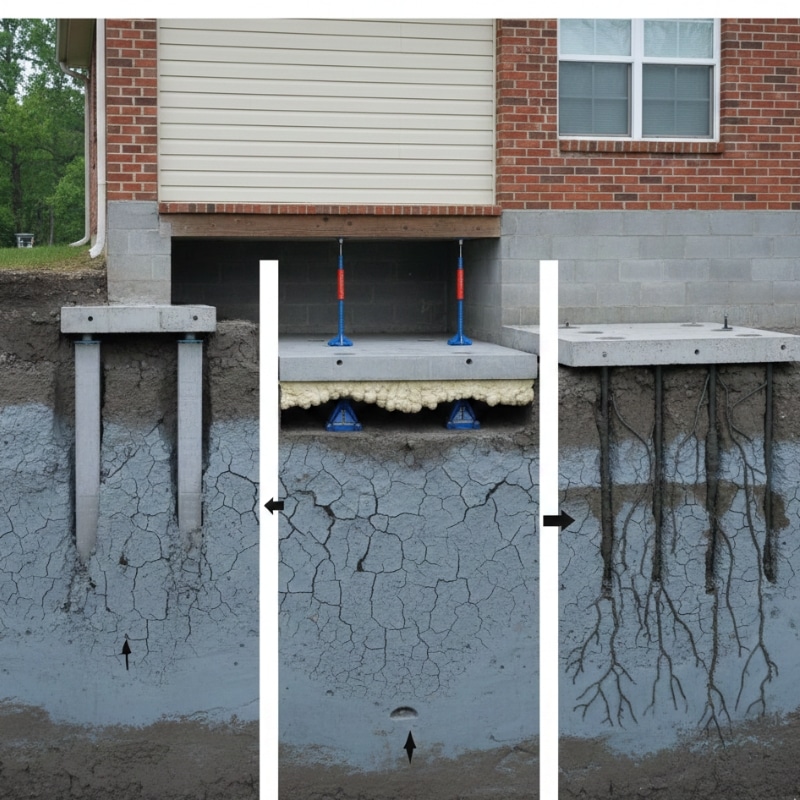
- Concrete levelling (slab lifting) raises settled concrete back to its original elevation by injecting material into voids beneath the slab.
- Slab jacking pumps a cementitious slurry beneath the slab under pressure, filling voids and lifting the concrete as the mix expands.
- Polyurethane foam injection uses resin injection technology to expand a lightweight, fast-curing foam beneath the slab, lifting it with minimal disruption to the surrounding area.
- Specialised grouting stabilises weak or loose subgrade material and fills voids without necessarily raising the slab, making it useful when settlement risk is the primary concern.
- Void filling directly targets empty spaces beneath concrete that form due to erosion, pipe failures, or soil shrinkage.
- Underpinning transfers structural loads to deeper, stable ground layers when shallow soil conditions have failed beyond recovery.
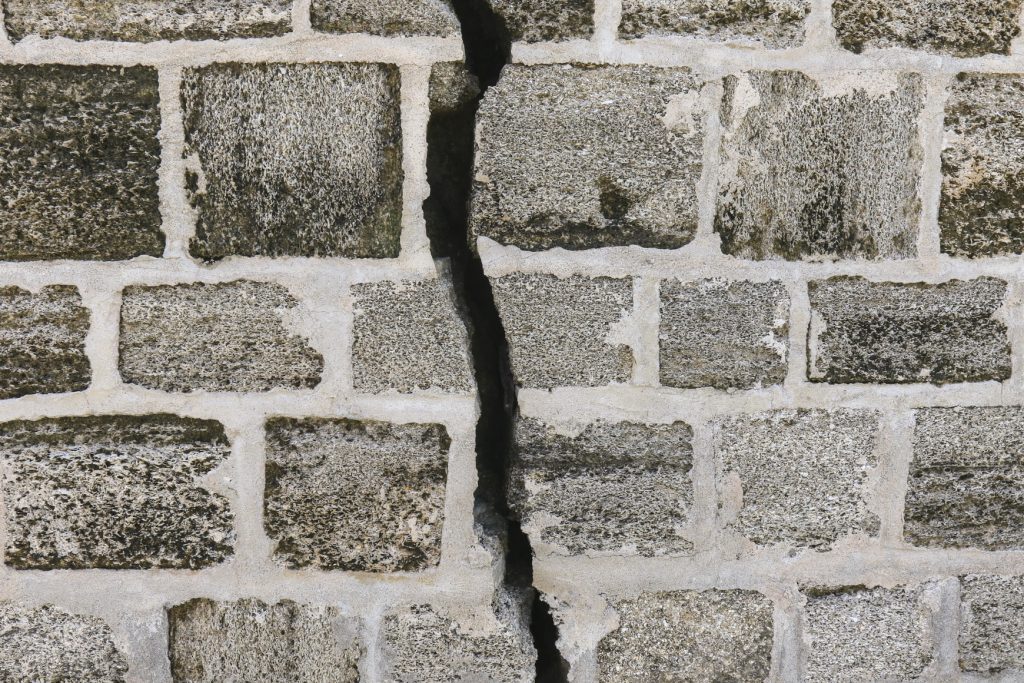
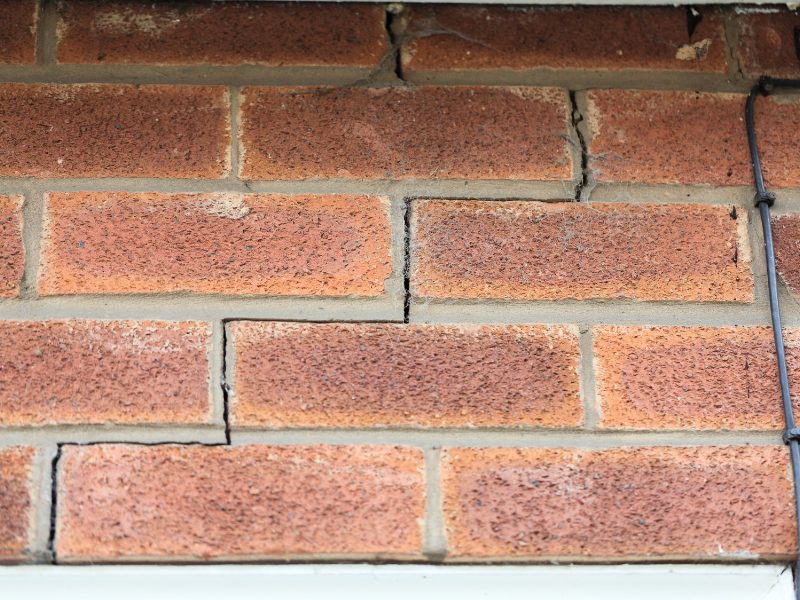
- Crack injection and repair seals fractures using epoxy or polyurethane resins to restore structural continuity and stop water entry.
- Partial or full slab replacement removes and pours concrete where deterioration is too severe for less invasive methods.
Non-invasive methods such as foam injection and slab jacking have become increasingly common across Australian residential and industrial projects. They reduce downtime, avoid demolition costs, and typically cost far less than full replacement when the slab itself remains sound.
Can Concrete Levelling Be the Right Fix for Your Slab?
Concrete levelling addresses the two problems that sit at the heart of most slab settlement: the loss of support beneath the concrete and the drop in surface elevation. By injecting material under pressure directly beneath the slab, the process raises the concrete back to its original position without breaking it. The American Concrete Institute’s field guide to repair application procedures identifies void-filling and subgrade stabilisation as foundational steps in effective slab restoration.
There are clear reasons why concrete levelling is widely used across Australian residential and commercial properties:
- Concrete levelling causes minimal disruption to landscaping, adjacent structures, and daily operations.
- Most residential slab-lifting jobs are completed in a single day, with areas ready for use again shortly after curing.
- It restores the slab to its correct elevation, removing trip hazards and correcting drainage problems caused by settlement.
- Void filling removes the conditions that allowed the slab to move in the first place.
- It costs significantly less than full slab demolition and replacement in most situations.
- It suits a wide range of applications, including driveways, pathways, warehouse floors, and building slabs.
Concrete levelling is not appropriate for every slab, however. Concrete that has deteriorated structurally, rather than simply settled, may not hold together through the lifting process. Extensive cracking that compromises load capacity is also a limiting factor. A professional assessment will clarify which situation applies to your property before work begins.
When Should a Slab Be Repaired Rather Than Replaced?
The assumption that visible damage means full replacement is one of the costliest mistakes property owners make. Many slabs with cracks, settlement, or surface deterioration can be repaired effectively when the concrete remains structurally viable. Research into the evaluation and repair of concrete slabs confirms that repair is cost-effective and durable when the underlying cause is addressed alongside the surface damage.
Understanding where the line sits between repair and replacement helps property owners and facility managers make better decisions. The Victorian Building Authority and the Queensland Building and Construction Commission both outline building owner responsibilities around structural defects, reinforcing why getting the right diagnosis early matters.
Repair is usually the right choice when:
- Settlement is minor to moderate, and the slab has not fractured across load-bearing lines.
- Cracks are stable and show no sign of active widening.
- The concrete remains structurally sound beneath surface-level damage.
- Voids beneath the slab can be fully filled using injection methods.
- The underlying cause, whether drainage failure, soil shrinkage, or pipe leaks, can be addressed at the same time.
Replacement becomes necessary when:
- Severe structural failure has entirely undermined the slab’s load capacity.
- Cracking is extensive and compromises the slab’s ability to safely carry loads.
- Concrete has deteriorated through chemical damage, repeated wetting and drying, or long-term wear.
- Previous repair attempts have repeatedly failed under normal conditions.
Subsidence caught early almost always falls into the repair category. Waiting until problems worsen is what typically pushes a property into replacement territory. You can read more about what drives slab movement in Australia in our news and articles hub.
What Factors Shape the Final Repair Recommendation?
No two slab repair situations are identical. The combination of soil type, moisture conditions, structural use, and damage extent creates a unique set of variables at every site. The US Bureau of Reclamation’s comprehensive guide to concrete repair identifies site characterisation as one of the most critical steps in repair planning, a principle that applies equally to Australian conditions.
The factors professionals weigh when forming a repair recommendation include:
- The root cause of slab movement is reactive soil, erosion, pipe failure, or poor initial compaction.
- Soil composition and current moisture levels beneath the slab.
- The extent and pattern of settlement across the affected area.
- The type of structure the slab supports and the loads it is expected to carry.
- Site access for equipment, particularly on tight residential blocks or active industrial sites.
- Budget, acceptable downtime, and the expected service life of the repair.
Selecting a repair method solely on the basis of the lowest upfront cost often leads to recurring problems. A surface patch that ignores cracked walls above or voids below is not a repair; it is a delay. Drainage improvements are also frequently part of a complete repair plan, as poor stormwater management around a structure is one of the most common reasons Australian slabs repeatedly settle.
Regional soil movement is a genuine consideration here. Concrete rehabilitation research highlights that subgrade behaviour varies significantly with climate and soil type, which is why repair specifications developed for one region may not translate directly to another.
How Can Property Owners Reduce Future Slab Problems?
Once a slab has been repaired, ongoing maintenance protects the investment and reduces the likelihood of repeat movement. The same conditions that caused the original settlement can return if they go unmanaged. Consistent, low-effort habits make a meaningful difference over time.
These steps help extend slab life after a repair:
- Maintain effective drainage across the property so water does not pool near the slab edge or perimeter walls.
- Repair leaking pipes promptly, because sustained moisture under a slab softens the subgrade and accelerates settlement.
- Monitor existing cracks regularly and contact a professional if any new or widening movement appears.
- Keep large trees and shrubs at a safe distance from foundations, as their root systems can displace soil and draw moisture from beneath slabs.
- Avoid directing downpipes or surface runoff directly against the slab edge or foundation perimeter.
- Schedule a professional inspection when uneven flooring, sticking doors or windows, or new cracks appear.
Seasonal moisture changes are particularly relevant across Australia’s clay-rich regions. Dry summers and wet winters drive significant shifts in soil volume, placing repeated stress on slabs over time. The Australian Building Codes Board addresses reactive soil classification as part of the National Construction Code framework, which underpins how new slabs are designed to manage these conditions. For existing slabs, awareness of the seasonal cycle and early action on any movement signs is the most effective long-term strategy available.
Frequently Asked Questions
What is the best method for slab repair?
The best method depends on the cause and extent of the damage. Concrete levelling works well for settled slabs with intact structural integrity. Slab jacking, foam injection, grouting, and underpinning each suit different conditions and soil types. A professional site inspection identifies which approach will deliver the most durable result for your specific property and situation.
Can a cracked concrete slab be repaired without replacement?
Yes, in many cases it can. Cracks that are stable and not affecting load capacity can often be sealed using epoxy or polyurethane injection. When cracking is accompanied by settlement, levelling, or grouting addresses both issues together. Replacement is typically necessary only when the concrete has deteriorated structurally beyond what injection or lifting can effectively restore.
How do professionals assess slab damage before repairs?
Assessments cover crack mapping, settlement measurement, void detection beneath the slab, drainage review, and soil condition evaluation. The goal is to identify the root cause of movement rather than just the surface symptoms. For larger structures, geotechnical testing helps clarify subgrade conditions and more precisely inform the repair specification.
Is concrete levelling an effective slab repair solution?
Concrete levelling is one of the most effective options for slabs that have settled due to void formation or soil shrinkage. It raises the slab back to its correct elevation, fills the voids that caused the movement, and does so with minimal disruption and faster completion times than replacement. Its effectiveness depends on the slab remaining structurally sound enough to withstand the lifting process.
How long do slab repair solutions typically last?
Repair longevity varies based on the method used, the quality of the assessment, soil stability, drainage conditions, and ongoing maintenance. When the root cause is properly addressed alongside the surface repair, professionally executed solutions can remain effective for many years. Repairs that address only the surface, without addressing underlying soil or drainage issues, tend to fail sooner and require repeated intervention.
Sources
- PDH Online — Concrete Repair Methods Course: https://pdhonline.com/courses/c672/c672content.pdf
- American Concrete Institute — Field Guide to Concrete Repair Application Procedures (RAP-6): https://www.concrete.org/portals/0/files/pdf/rap-6.pdf
- American Concrete Institute — Structural Crack Repair by Epoxy Injection (RAP-1): https://www.concrete.org/portals/0/files/pdf/rap-1.pdf
- US Bureau of Reclamation — Guide to Concrete Repair (2015 Edition): https://www.usbr.gov/tsc/techreferences/mands/mands-pdfs/Guide2ConcreteRepair2015_Final.pdf
- Federal Highway Administration — Full-Depth Concrete Pavement Repairs: https://www.fhwa.dot.gov/pavement/concrete/full1.cfm
- Federal Highway Administration — Concrete Pavement Preservation Guide: https://www.fhwa.dot.gov/pavement/concrete/pubs/hif14004.pdf
- Geoscience Australia — Geoscience and Geohazards Resources: https://www.geoscience.gov.au/
- Australian Building Codes Board — National Construction Code: https://www.abcb.gov.au/
- Victorian Building Authority — Building Regulations and Standards: https://www.vba.vic.gov.au/
- Queensland Building and Construction Commission — Building Defects: https://www.qbcc.qld.gov.au/