If you’ve noticed new cracks in your walls, doors that no longer close properly, or floors that feel uneven underfoot, it’s natural to wonder whether something more serious is happening beneath your home. In Melbourne, these concerns are especially common due to the city’s reactive clay soils and changing weather patterns.
Subsidence can be difficult to recognise early on because some movement is normal in houses. The challenge is knowing when typical settlement ends and structural risk begins. This guide explains how to tell if your home has subsidence, what signs to watch for, and why Melbourne homes are particularly vulnerable.
What Is Subsidence and Why It Matters
Subsidence occurs when the ground beneath a building moves or sinks, causing parts of the structure to shift unevenly. Unlike general settlement, subsidence is progressive and can worsen if the underlying cause isn’t addressed.
In Melbourne, subsidence often develops slowly. Homeowners may live with subtle warning signs for months or even years before realising there is an underlying structural issue. Understanding early indicators is critical to reducing long-term damage.
Is Subsidence Common in Melbourne Homes?
Yes, subsidence is relatively common across Melbourne, particularly in suburbs built on reactive clay soil. These soils expand when wet and shrink during dry periods, placing repeated stress on house foundations.
Several local factors increase risk:
• Extended droughts followed by heavy rainfall
• Poor stormwater drainage
• Ageing plumbing systems beneath slabs
• Mature trees drawing moisture from the soil
• Older housing stock not designed for modern moisture extremes
Because these conditions are widespread, recognising early warning signs is especially important for Melbourne homeowners.
Early Interior Signs Your Home May Have Subsidence
Cracks That Keep Growing
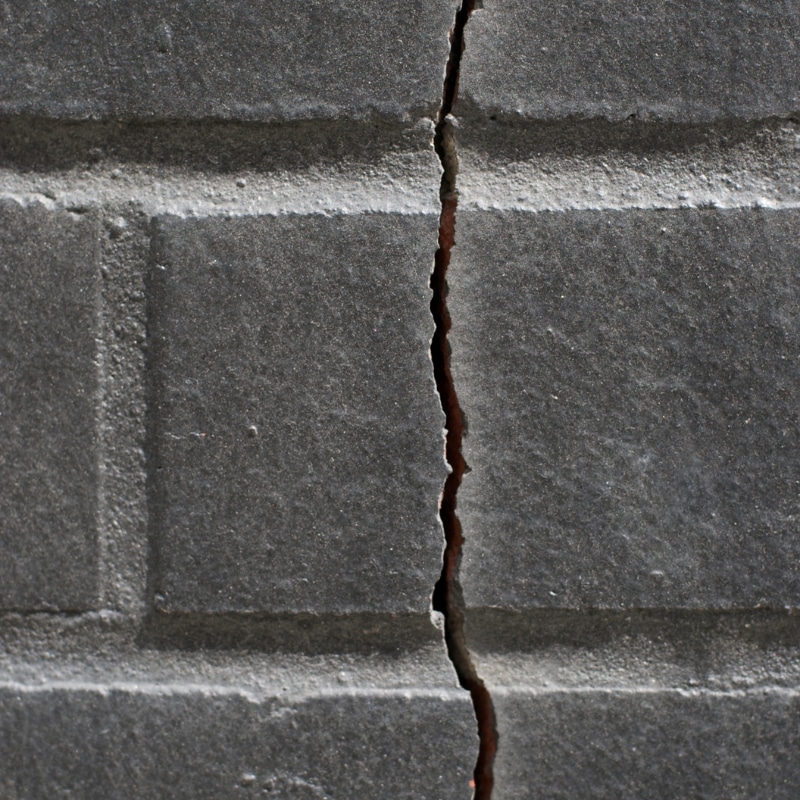
Hairline cracks can appear in many homes, but subsidence-related cracks tend to:
• Widen over time
• Reappear after being patched
• Run diagonally from window or door corners
• Appear suddenly rather than gradually
Cracks wider than a few millimetres or those that change noticeably over months should not be ignored.
Doors and Windows That Stick
When subsidence causes parts of a house to sink unevenly, door and window frames can twist slightly. You may notice:
• Doors swinging open or closed on their own
• Windows jamming or becoming difficult to lock
• Gaps appearing around frames
These changes often accompany floor or wall movement rather than hardware failure.
Uneven or Sloping Floors
Floors that feel tilted or “soft” underfoot can indicate differential movement beneath the slab. In subsidence cases, this unevenness typically worsens over time instead of remaining stable.
Exterior Warning Signs to Look For
Cracking in Brickwork
Exterior cracks are often more telling than internal ones. Warning signs include:
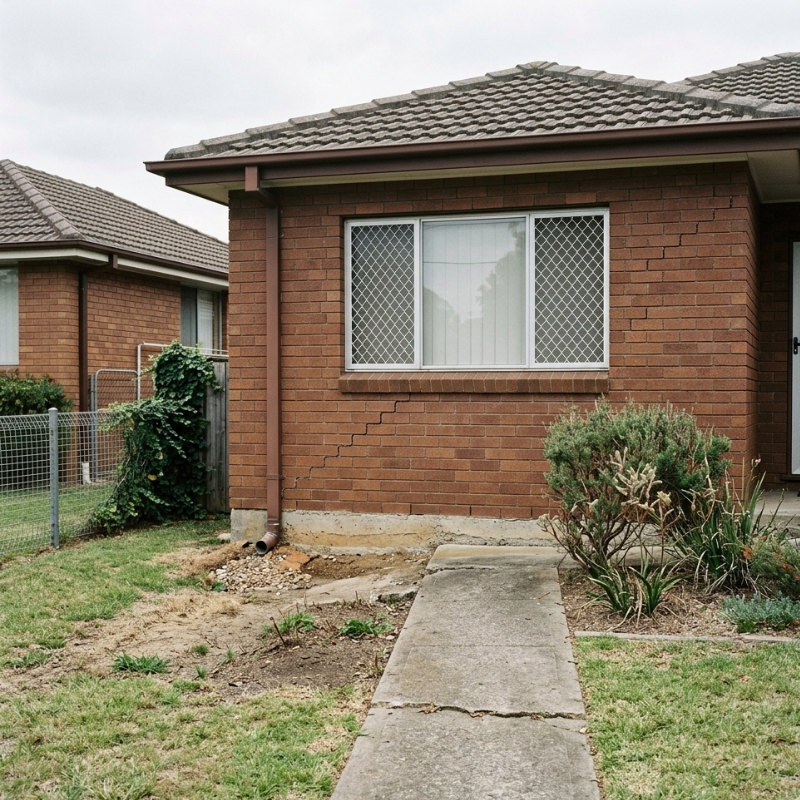
• Stair-step cracks following mortar joints
• Cracks that widen toward the top or bottom
• Separation between walls and adjoining structures
These cracks suggest the foundation is moving rather than the surface materials.
Gaps Around the Building
Subsidence can create visible gaps between:
• Walls and paths
• Walls and verandahs
• External stairs and the main structure
These gaps may start small but usually increase as ground movement continues.
Leaning or Distorted Structures
In advanced cases, you may notice fences, retaining walls, or chimneys beginning to lean. While these elements are separate from the house, their movement often reflects changes in ground stability affecting the home as well.
Subsidence vs Normal House Movement
Not all cracks or movement indicate subsidence. Many Melbourne homes experience minor seasonal movement, particularly during hot, dry summers.
Normal Movement Often:
- Stabilises over time
- Produces fine, uniform cracks
- Improves when moisture levels normalise
Subsidence Typically:
- Progresses gradually
- Causes uneven cracking patterns
- Leads to structural distortion
Understanding the difference between normal settling and signs of house subsidence can help homeowners decide when monitoring is enough and when further investigation is needed.
How Melbourne’s Soil and Weather Contribute
Melbourne’s widespread clay soils are highly reactive to moisture changes. During dry periods, clay shrinks and pulls away from foundations. When heavy rain follows, the soil swells again, but often unevenly.
Common contributors include:
• Blocked or poorly designed drainage systems
• Leaking underground pipes
• Garden beds built up against walls
• Inconsistent watering around the home
Over time, these cycles place stress on the foundation system and can trigger subsidence in susceptible properties.
For general building guidance and structural safety information, the Victorian Building Authority offers authoritative resources relevant to Victorian homeowners.
How Quickly Does Subsidence Progress?
Subsidence rarely happens overnight. In most cases:
• Early symptoms develop slowly
• Damage accelerates if moisture issues persist
• Seasonal changes amplify existing movement
Because progression is gradual, homeowners sometimes delay action, assuming the issue will stabilise. Unfortunately, untreated subsidence almost always becomes more complex over time.
When Monitoring Is No Longer Enough
It may be time to seek professional assessment if you notice:
• Cracks widening noticeably within months
• Multiple symptoms appearing together
• Repeated repairs failing
• Floors are becoming increasingly uneven
Understanding how building subsidence occurs can clarify why these warning signs should not be dismissed once they reach this stage.
Can You Live Safely in a Home With Subsidence?
In the early stages, many homes remain safe to occupy. However, subsidence affects structural integrity, and safety risks increase as movement continues.
Potential concerns include:
• Compromised load-bearing walls
• Plumbing damage leading to further soil erosion
• Reduced weatherproofing and insulation performance
Early identification allows homeowners to make informed decisions before safety becomes an issue.
Frequently Asked Questions
Are all wall cracks a sign of subsidence?
No. Many cracks are cosmetic or related to minor settlement. Subsidence cracks tend to grow, reappear, or follow structural lines such as window corners.
Can plumbing leaks cause subsidence?
Yes. Leaking pipes can wash away supporting soil, leading to uneven foundation movement over time.
Is subsidence covered by insurance?
Coverage varies by policy and cause. Some insurers exclude subsidence unless it results from a specific event. Always check your policy details.
Does subsidence always require major repairs?
Not always. Early detection can limit the extent of work required. The key is understanding the cause and stopping further ground movement.
How do I know if cracks are getting worse?
Marking crack edges and measuring changes over time is a simple monitoring method. Increasing width or length is a sign that the issue is progressing.
Why Early Awareness Makes a Difference
Subsidence doesn’t usually start as an emergency, but it can become one if ignored. Melbourne’s soil conditions mean that many homes are exposed to risk, even if they’ve stood for decades without issue.
Developing a clear understanding of warning signs, environmental factors, and progression timelines allows homeowners to respond early and protect their property.
Understanding house subsidence helps place these symptoms in context and reduces unnecessary stress when changes first appear.