Underpinning transfers load from failing soil to deeper, more stable strata, preventing further structural distress in Sydney homes. Cracks in brickwork, misaligned door frames, or dipping floors often point to underlying issues—underpinning a wall is one of the most effective ways to rectify these symptoms by stabilising moving soil and supporting the foundation. Local operators, such as Raise & Relevel, provide underpinning wall services in Sydney to mitigate subsidence and reactive clay movement, which are common in many suburbs. This article reviews the circumstances under which underpinning is required in Sydney, the reasons why cracks form under local soils, alternative repair options, underpinning techniques adapted for Sydney homes, the response of heritage dwellings, and the long-term benefits in the Sydney market.
What signs suggest that underpinning a wall may be necessary?
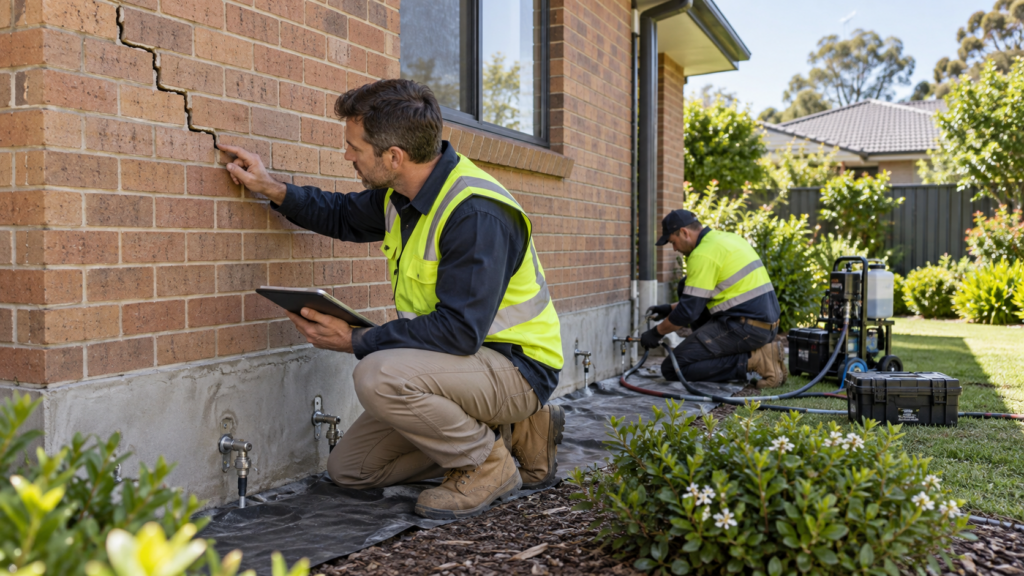
A home may require underpinning when you observe persistent signs of structural shift—often intensified by local soil behaviour. Here are the signs that underpinnings may be necessary in Sydney:
- Widening house cracks: Stair‑step or diagonal cracks, especially in brick veneer, often worsen during Sydney’s dry-to-wet seasonal cycle.
- Doors or windows misalign: Frames shift, doors jam or won’t close flush.
- Tilted floors or ceiling gaps: Floors slope, and gaps appear between walls and ceilings or skirtings.
- Wall bulges or bows: Portions of the wall lean outward or deform.
- Joint separations: Cracks open between the wall and the floor or adjacent walls.
- Subsidence evidence: Patio slabs sink, garden edges pull away from walls.
- Seasonal crack acceleration: During droughts or heavy rainfall, reactive clay movement can cause cracks to open more rapidly.
Sydney’s clay soils expand in wet months and shrink in drought, meaning these signs can worsen cyclically. If multiple signs appear, a prompt structural assessment is wise. Early underpinning may save thousands in repair.
Why do walls develop cracks that require structural underpinning?
In Sydney, soil and loading mechanisms unique to the region often trigger foundation stress that leads to cracking. Here are the common causes of cracking requiring underpinning in Sydney:
- Differential settlement: Uneven soil support under different sections causes the walls to distort.
- Reactive clay movement: Many parts of Sydney rest on clay that swells during rain and shrinks during dry spells.
- Slab heave: When clay beneath a slab pushes upward, it can cause the walls to crack or misalign the footings.
- Extra load or renovation: New additions, heavier roof loads, or structural alterations stress foundations.
- Excavation nearby: Works near the home—such as drains, pools, and basements—can destabilise soil.
- Moisture variation: Leaks in plumbing or drainage systems cause local soil shift.
- Aging footings: Older footings, stumps, or shallow footings deteriorate over time.
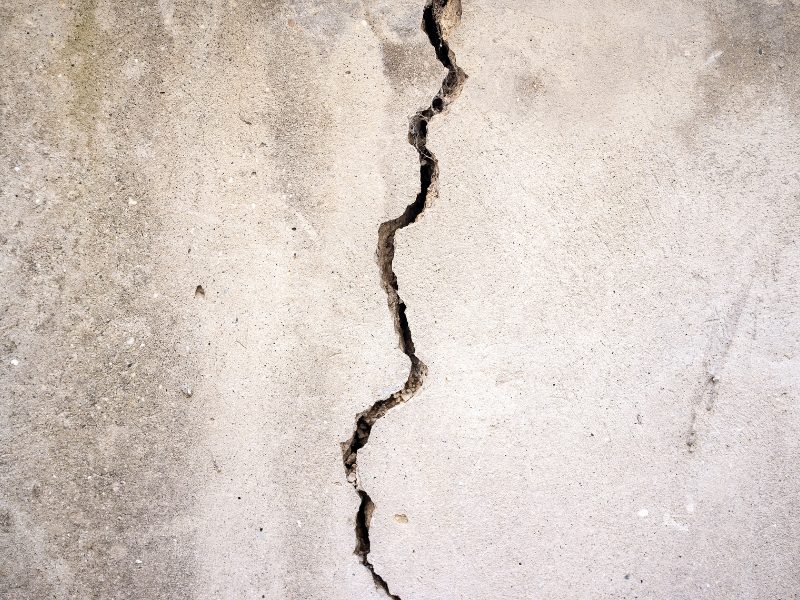
Cracks generally begin in mortar or masonry joints, at stress concentrations, or where wall meets openings. As stresses intensify, small cracks can escalate into structural faults. Engineers often recommend effective underpinning solutions to fix structural cracks to restore stability in these situations.
Which foundation repair methods work better than wall underpinning in some cases?
Not every home requires whole-wall underpinning—some repair methods work well within the local context, depending on the specific problem. Here are the alternative repair methods sometimes preferred over complete underpinning in Sydney:
- Helical / screw piers: Steel screw piers driven to stable strata, especially useful in narrow Sydney lots.
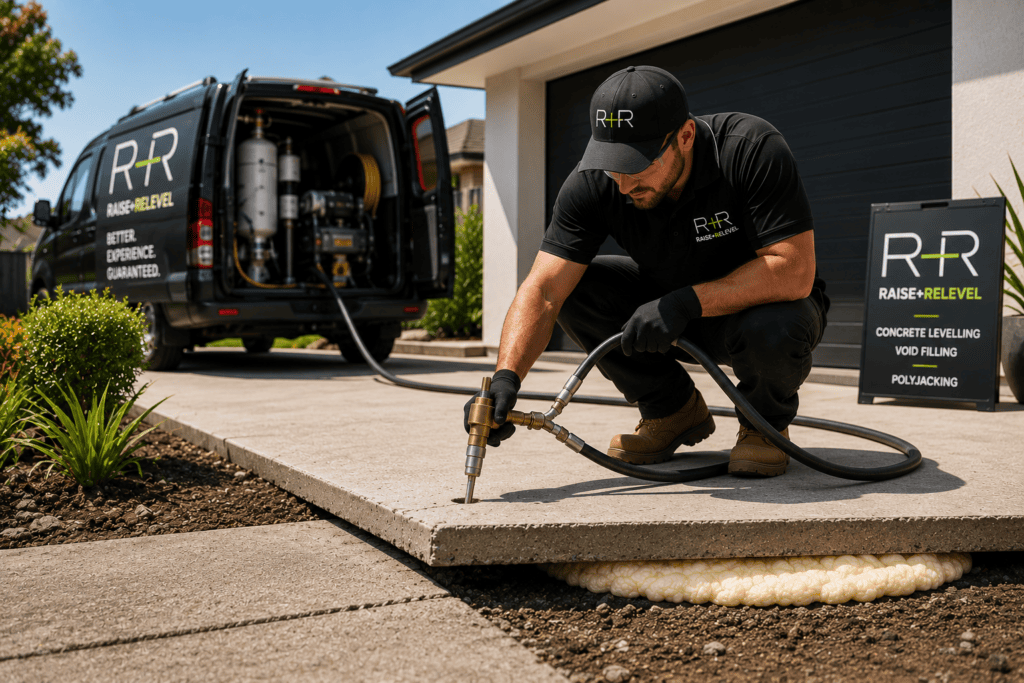
- Resin injection/polyurethane lift: Injection beneath slabs or footings for slab stabilisation or local lifting.
- Soil grouting/compaction: Fill voids or consolidate soil beneath footings to reduce settlement risk.
- Wall ties/anchors: For cavity or tied walls showing separation, anchors may suffice without complete underpinning.
- Drainage and moisture control: In Sydney’s reactive clay zones, controlling surface and subsurface water often prevents further movement.
It’s worth exploring trusted methods to choose the right underpinning solution before committing to excavation or piling. These alternatives can offer long-term stability depending on soil behaviour, structural load, and the severity of movement.
Can underpinning strengthen older walls in heritage buildings in Sydney?
Sydney’s historic homes—Victorians, Federation, Workers’ cottages—often sit on shallow footings and are vulnerable to soil movement. Underpinning can reinforce them if done carefully. Here are the approaches to underpinning heritage or older walls in Sydney:
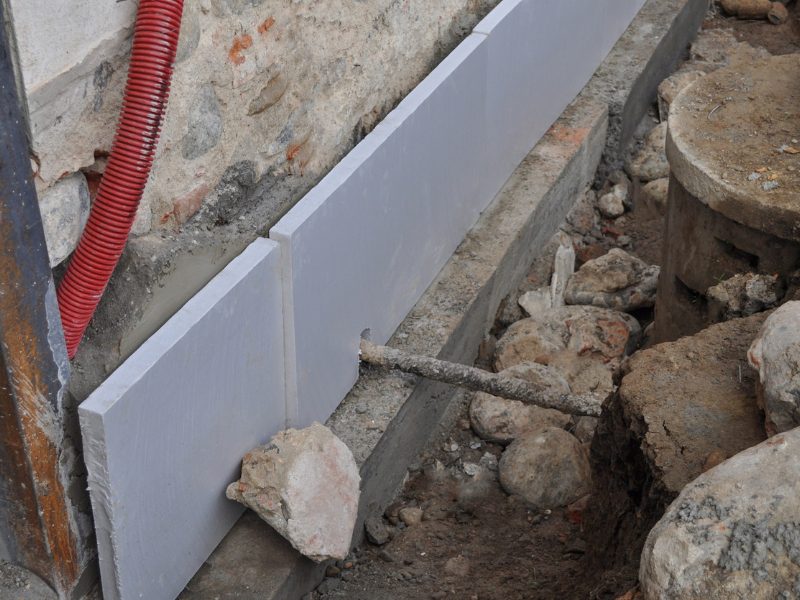
- Selective underpinning: Only key zones (corners, bay windows, chimneys) are underpinned, not full walls.
- Micropiles/mini-piles: These smaller drills reduce vibration and preserve historic brick or sandstone facades.
- Phased underpinning: Work in segments to protect adjacent masonry from shock.
- Structural tie-ins: Steel beams, tie bars, or plates connect the original walls to the new underpinning.
- Instrumentation: Crack monitors, tilt gauges, and strain sensors measure movement during work.
- Compliance and heritage approvals: Sydney council heritage overlays often require engineering plans and approval.
In heritage settings, one must balance preserving original fabric with structural safety. Before work, designers check licensing rules for foundation and piering projects in NSW to ensure legal compliance and best practice.
Which underpinning techniques are most effective for supporting weak walls in Sydney?
Sydney’s soil conditions, lot sizes, and local constraints influence which underpinning methods perform best in urban settings. Here are the most effective underpinning techniques for weak walls in Sydney:
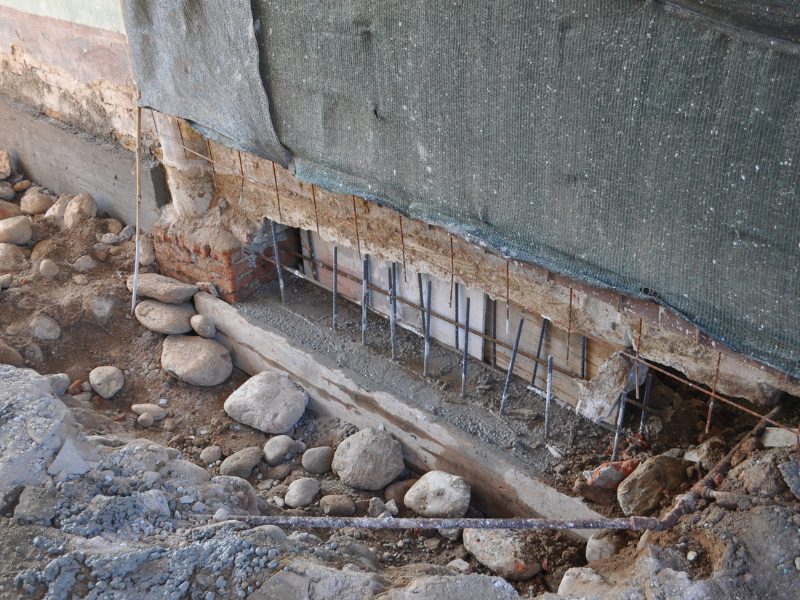
- Mass concrete underpinning: Traditional method — excavate under the wall and pour reinforced concrete.
- Mini‑pile / micropile underpinning: Drilled piles installed under footings and tied to a beam.
- Screw / helical piers: Steel helices rotated into deeper, stable soil to support the load.
- Resin injection underpinning: Inject resin under underpinning footings or voids to raise or stabilise.
- Needle/beam underpinning: Beams inserted through walls to bear load while underpinning is added.
| Technique | Best use in Sydney | Strengths | Limitations |
| Mass concrete underpinning | Homes with accessible perimeter | Reliable, well-known | Disruptive, slower |
| Mini‑pile underpinning | Tight sites or limited access | Low disturbance, precise | Costlier drilling |
| Screw / helical piers | Deep foundation loads in urban blocks | Quick, minimal excavation | Needs adequate soil depth |
| Resin injection underpinning | Local lifts or void filling | Minimal disruption, fast cure | Effective only if voids/soil respond |
| Needle/beam underpinning | Terraced homes or narrow walls | Useful in tight urban contexts | Complex staging and design |
Local soil, site access and existing structure influence which option is best. Avoid overcommitting to one system—some homes require a hybrid approach. Preventative measures are also critical, and strategies to prevent ground subsidence in homes can minimise the risk of future issues.
What benefits does wall underpinning provide for long-term property value in Sydney?
Underpinning in Sydney doesn’t just fix cracks—it preserves value in a volatile soil market and ensures long-term stability. Here are the significant benefits that underpin long‑term:
- Stops further damage, preventing cracks from worsening or spreading.
- Restores structural integrity, ensuring load paths are secure.
- Improves safety and reduces future risk in reactive clay climates.
- Enhances buyer confidence in Sydney’s real estate market.
- Enables renovations or additions without fearing foundation strain.
- Offers durability—done well, the underpinning can last the life of the building.
In Sydney’s reactive soil zones, homes with certified underpinning perform better in resale. The cost of underpinning now can be significantly less than the damage repair later in high-value markets such as the North Shore, Inner West, or Western Sydney.
Final thoughts on underpinning a wall as a foundation repair solution for Sydney homes
Underpinning a wall provides structural support by shifting load to stable soils, arresting subsidence, and protecting against cyclic soil movement. In Sydney, where reactive clay movement, subsidence, and slab heave constantly threaten both older and modern homes, underpinning becomes a vital tool in foundation repair. When paired with good drainage design and hybrid techniques, it not only stops visible damage but rebalances the foundation system. See how Raise & Relevel helps prevent costly wall damage. Done properly—by certified structural engineers, with accurate soil testing, compliance, and quality control—underpinning remains one of the most effective ways to protect your home’s future against shifting Sydney soils.