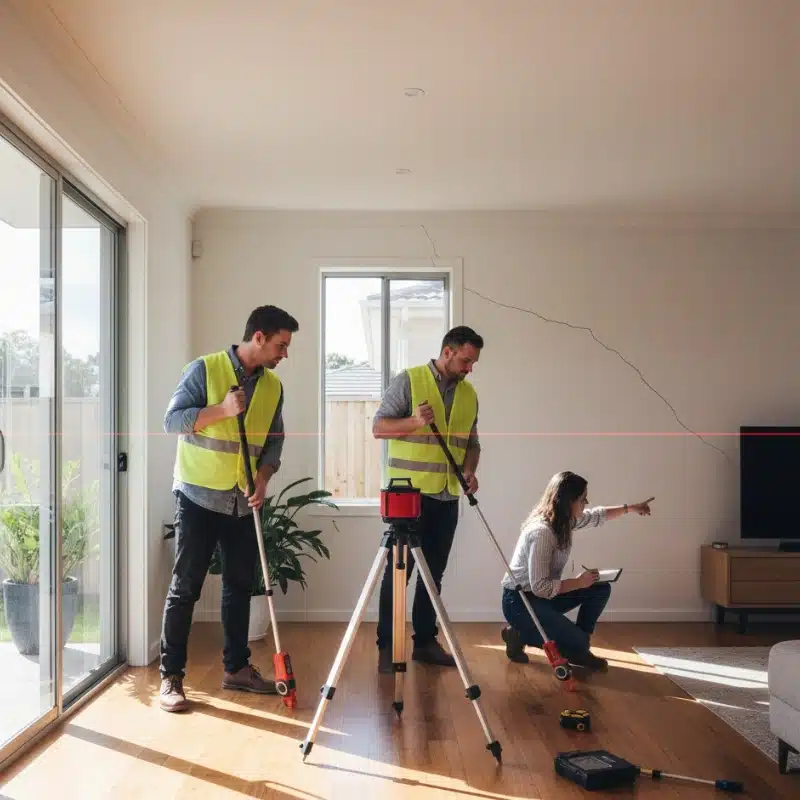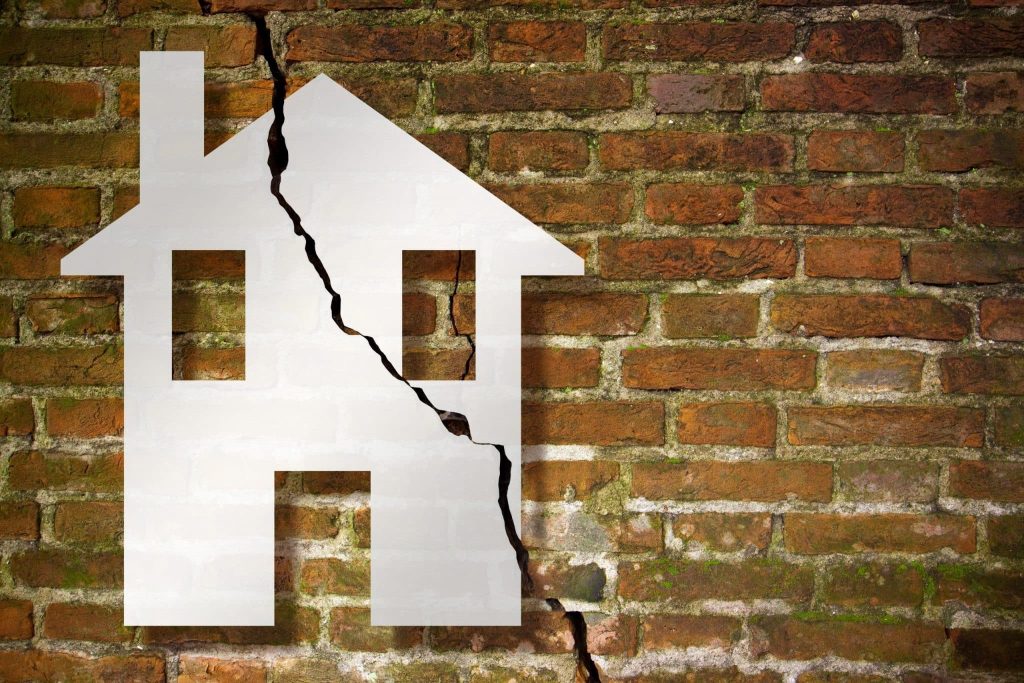
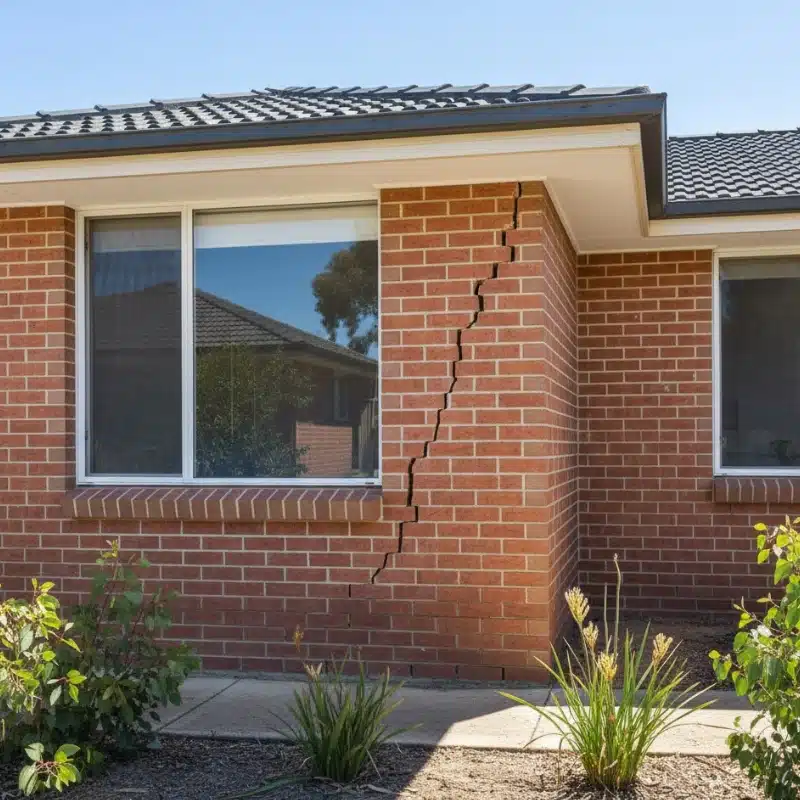
Cracked walls are one of the most visible and worrying signs of structural movement in Australian homes. While some cracks are harmless and cosmetic, others may indicate foundation subsidence, soil shrinkage, shifting piers or slab instability. Because Australia’s unique soil types, climate cycles and building styles vary dramatically across regions, understanding why wall cracks appear requires a structural and geotechnical perspective.
This comprehensive guide explains the causes of cracked walls, how risk levels vary, the role of Australian soil types, early warning signs to look for, and the best repair options available today. For homeowners concerned about structural integrity, you can access professional sinking floor repair solutions in Australia to assess the root cause and develop a long-term repair plan.
Why Wall Cracks Are So Common in Australian Homes
Australia contains some of the most reactive clay soils in the world, especially in states such as Victoria, NSW, South Australia, the ACT and parts of Queensland. These soils expand when wet and shrink dramatically during dry weather, putting pressure on home foundations.
Combined with ageing buildings, older footing systems, variations in construction quality and extreme weather cycles, it’s no surprise that wall cracks are a major structural issue nationwide.
The Main Structural Causes of Cracked Walls
Most cracked walls in Australia can be traced back to one or more of the following structural or soil-related causes:
1. Reactive Clay Soil Movement
Reactive clay soils expand during wet periods and contract during dry spells. This constant movement creates uneven pressure on foundations and can cause:
- Brick walls to shear or separate
• Internal plaster cracks
• Gaps between ceilings and walls
• Diagonal cracks from door frames
This is one of the leading causes of cracked walls across Australia’s major cities.
2. Foundation Subsidence
Foundation subsidence occurs when soil beneath the home compresses, shifts or sinks over time. Causes include:
- Soil erosion
• Poor compaction during original construction
• Drainage issues
• Tree root intrusion
• Natural soil settlement
Subsidence typically causes diagonal cracking, sloping floors and sticking doors.
3. Seasonal Moisture Cycles
Australia’s climate is extremely variable, driven by drought cycles, heavy rainfall, La Niña and El Niño events. These fluctuations create expansion–contraction cycles in the soil, which can push and pull the foundation.
Because these cycles are intensifying, more Australian homes are reporting structural movement each year. More details on soil behaviour are available via Geoscience Australia.
4. Poor Drainage or Water Leaks
Excess water is one of the most destructive forces acting on foundations. Common sources include:
- Leaking pipes
• Faulty stormwater drainage
• Blocked gutters
• Incorrect fall around the home
• Water pooling near slab edges
Water softens clay soils, reduces load-bearing capacity and leads to sinking areas under the house.
5. Timber Stump or Pier Deterioration
Homes built before the 1970s often rely on timber stumps, brick piers or older steel supports. Over time, these can:
- Rot
• Rust
• Sink
• Crack
• Become unstable
This results in uneven support for floors and walls, causing internal cracks and visible structural distortions.
6. Slab Heave or Slab Settlement
Concrete slabs may lift (heave) or sink (settle) due to:
- Soil expansion
• Moisture imbalance
• Tree roots
• Plumbing leaks
• Voids under slab edges
Slab movement often produces long horizontal cracks, stepping cracks in brickwork or separation between walls and ceilings.
Types of Wall Cracks and What They Mean
Not all cracks indicate the same level of structural risk. Understanding the differences helps homeowners interpret the seriousness of the problem.
1. Hairline Cracks (Generally Low Risk)
These small, fine cracks in plaster are often caused by:
- Minor settlement
• Temperature changes
• Shrinkage of materials
• Normal ageing
They’re usually cosmetic — but shouldn’t be ignored if they grow.
2. Vertical Cracks (Moderate Risk)
Vertical cracks often appear due to:
- Foundation movement
• Soil shrinkage beneath one part of the house
• Weak points in the structural frame
If they widen or lengthen, they should be assessed.
3. Diagonal Cracks (High Risk)
Diagonal cracks spreading from the corners of doors or windows usually indicate uneven foundation movement. This is a key sign of subsidence.
4. Horizontal Cracks (High Structural Risk)
Horizontal cracks in walls, particularly brickwork, indicate lateral pressure on the structure and may signal:
- Slab heave
• Soil expansion
• Rotation of the footing
These cracks require immediate attention.
5. Step Cracks in Brickwork (Medium to High Risk)
Stepped mortar cracks in exterior brick walls often mean uneven foundation settlement or soil shrinkage in a specific zone under the home.
6. Large Gaps, Separation or Bulging Walls (Severe Risk)
Major structural failure may be underway if walls are bowing, rotating or separating. This often results from severe subsidence or footing collapse.
State-by-State: Why Wall Cracks Occur Across Australia
Each region has unique soil conditions and climate patterns that contribute to structural cracking.
New South Wales (NSW)
Key factors:
- Sandstone + clay mixing zones
• Western Sydney reactive clays
• Tree-root competition for moisture
• Stormwater drainage problems
Cracks in NSW commonly develop after prolonged dry periods followed by sudden rain.
Victoria (VIC)
Victoria’s reactive clay belt is one of the most problematic soils in Australia.
High-risk suburbs include:
• Melton
• Craigieburn
• Sunbury
• Hoppers Crossing
Cracks often occur from clay shrinkage in dry summers and swelling during wet winters.
Queensland (QLD)
Key risk zones include:
- Brisbane floodplains
• Ipswich clay regions
• Coastal sandy soils
Movement is often triggered by high rainfall events or erosion under slab edges.
Australian Capital Territory (ACT)
Canberra’s soils are extremely moisture-sensitive. Floors and walls often crack due to:
- Intense winter drying
• Rapid swelling after rainfall
• Seasonal temperature swings
South Australia (SA)
SA features expansive clay pockets around Adelaide and limestone formations elsewhere. Cracking is typically caused by:
- Clay shrinkage
• Soil collapse
• Fallen retaining structures
Western Australia (WA)
WA combines coastal sands with inland clays. Cracked walls often stem from:
- Erosion in sandy soils
• Clay heave inland
• Waterlogging
Tasmania (TAS)
Though more stable, TAS still experiences cracking due to:
- Waterlogging
• Erosion on slopes
• Subsoil collapse under older homes
Northern Territory (NT)
Extreme wet/dry climate cycles cause:
- Soil contraction in dry seasons
• Rapid swelling during monsoon rains
• Structural differential movement
When Are Cracked Walls a Structural Emergency?
Seek urgent assessment if you notice:
- Cracks wider than 5 mm
• Rapidly widening cracks
• Doors and windows suddenly jamming
• Floors sloping toward one area
• Visible separation between walls and ceilings
• Cracks reappearing after cosmetic repairs
• Any bowing or bulging in masonry
These indicate foundation instability or subsidence.
Repair Options for Cracked Walls in Australia
The right repair depends on the severity and underlying cause.
Cosmetic Repairs (Low Risk)
For minor surface cracks:
- Plaster patching
• Repainting
• Flexible joint compounds
But only if the underlying structure is stable.
Structural Repairs (Medium to High Risk)
These target the underlying structural movement:
- Crack stitching
• Pier strengthening
• Repointing brickwork
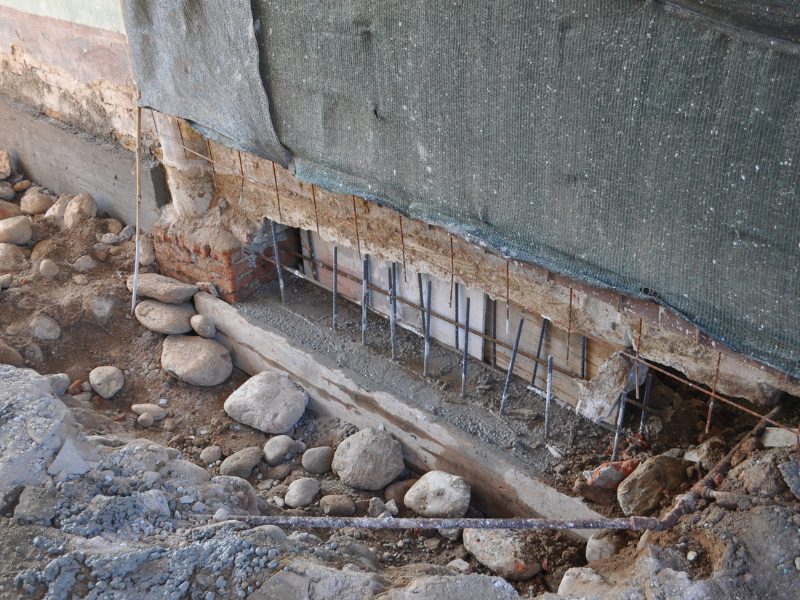
• Helical bar reinforcement
Foundation Stabilisation (High Risk)
The most long-lasting solution if subsidence or soil movement is the root cause:
- Resin injection
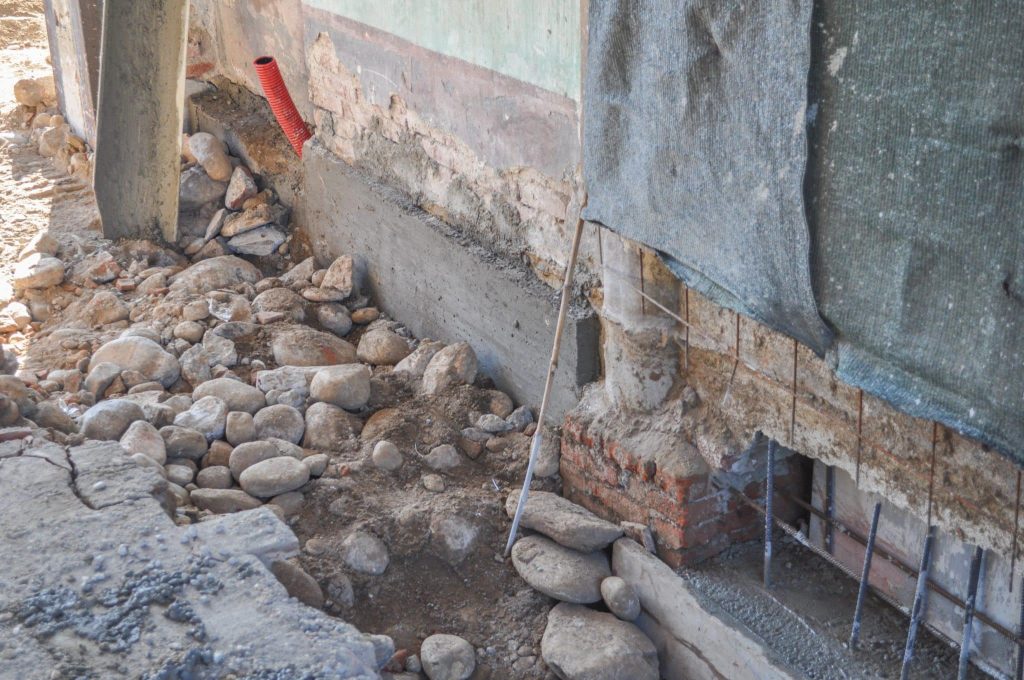
• Underpinning
• Slab lifting
• Pier replacement
• Void filling
Modern methods are fast, non-invasive and highly accurate.
For a tailored assessment, explore and discover expert releveling options for uneven floors to understand which solution matches your home’s condition.
How to Prevent Wall Cracks in Australian Homes
Practical prevention tips:
- Maintain good drainage around the property
• Repair leaking pipes promptly
• Manage trees and root zones
• Use soaker hoses during extreme drought
• Avoid sudden moisture imbalances
• Monitor cracks and measure annually
These strategies help minimise soil movement around the foundations.
What Australian Homeowners Ask About Cracked Walls
Are cracked walls always serious?
No — some are cosmetic, but many are structural and need expert assessment.
What causes wall cracks in older Australian homes?
Movement in timber stumps, pier deterioration and soil shrinkage are common causes.
Can cracked walls be repaired without restumping or underpinning?
Yes — if the issue is cosmetic. But structural cracks require stabilisation.
Do cracks reappear after patching?
If the underlying foundation isn’t stabilised, cracks will usually return.
When should I call a professional?
If cracks are widening, diagonal, horizontal or accompanied by floor movement.
Conclusion: Understanding Cracked Walls Is Essential for Long-Term Structural Health
Cracked walls are more than an aesthetic issue — they are often a clear indicator of foundation movement, soil instability or structural deterioration. With Australia’s reactive clay soils, extreme weather cycles and diverse construction methods, wall cracks are common across all states.
Identifying the underlying cause early prevents more serious damage and costly repairs. Whether cosmetic or structural, cracked walls require expert examination to determine the right solution.
Homeowners across Australia rely on comprehensive foundation and subsidence repair services available to diagnose and remediate the underlying causes of cracked walls, restoring stability and peace of mind.