Your house’s structural health often hinges on the integrity of its foundation. Over decades, shifts in soil, fluctuating moisture, nearby excavations, or increased loads from additions can weaken what was once stable. That deterioration may start with small cracks, gradual settlement, or movement until serious damage appears. Raise & Relevel provides trusted solutions for underpinning house foundation issues, helping homeowners prevent long-term structural problems. This article explores how underpinning can stop progressive damage, reinforce stability, and protect your home’s future.
Why do house foundations fail over time?
Foundations fail not because of a single cause but through the cumulative effect of stress, material fatigue, and environmental change. Underpinning foundations counters many of those root causes by reinforcing or extending the footings into more reliable soil. Here are the key ways foundations degrade over time:
- Reactive clay or expansive soils shift with moisture cycles, expanding in wet periods and contracting in dry, which causes vertical and lateral movement.
- Unplanned additional loads—such as new rooms, heavy landscaping, or retaining walls—can exceed the original foundation’s capacity, imposing stress it wasn’t built for.
- Poor drainage, leaking pipes, or surface water can erode soil beneath footings, washing away support and creating voids under the slab.
- Construction shortcuts—insufficient footing width, inadequate reinforcement, or improper depth—leave weak zones prone to failure.
If you’ve begun seeing slight misalignments or offset cracks, it can be useful to read about common structural issues that lead to damage to recognise warning signs before they worsen. In essence, foundation failure is gradual. By reinforcing the base through underpinning foundations, you restore load paths into stable strata and halt further downward drift.
What signs show your foundation needs urgent support?
Recognising early symptoms can mean the difference between a modest fix and a costly overhaul. Many homeowners delay until visual damage becomes unmistakable. In reality, underpinning footings invoked early can prevent escalation. watch:
- Cracks in plaster, masonry, or drywall appear near wall corners, above doors, or along window headers; these often widen over time.
- Floors slope or sag perceptibly—walking across a room may feel slightly tilted or uneven, especially near internal walls.
- Doors and windows begin to jam, stick, or fail to close squarely as frames twist slightly due to shifting support.
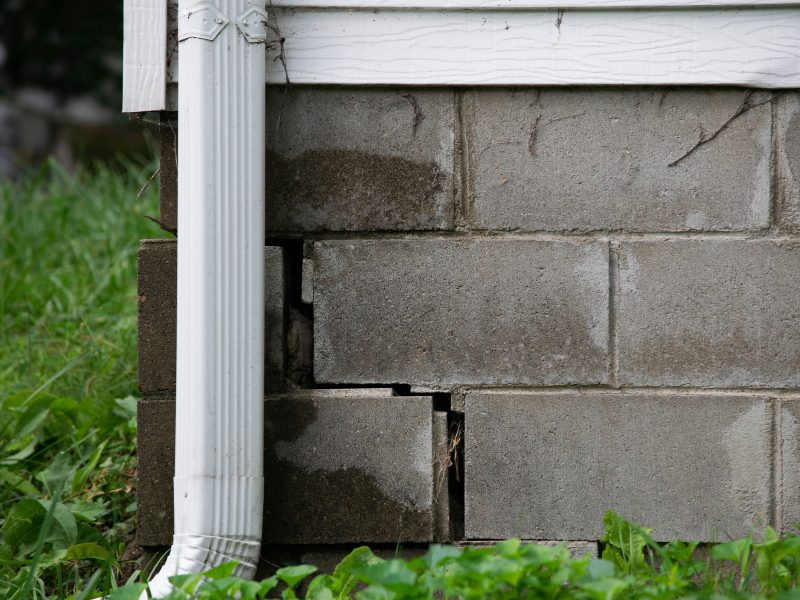
- External brickwork or veneer separates at edges, showing stair‐step cracking between courses or gaps where walls meet.
These warning signs often compound. If you’re noticing several at once, it may be wise to explore ways underpinning can save a damaged home before internal damage spreads. Over time, untreated damage leads to plumbing movement, interior fixture separation, and wall finishes failing. That ramp of damage is expensive. Early underpinning interventions can arrest the trend.
How does a weak foundation affect structural safety?
A compromised foundation doesn’t simply look bad—it undermines the entire structural system. When the underpinning foundation is not in place, load distribution becomes unbalanced, and parts of your home may start to strain and yield. Here are the risks to structural safety:
- Beams, joists, and load‐bearing walls may carry uneven forces, causing bending, sagging, or localised overstress.
- Wall linings and finishes may bulge or warp as differential movement stresses them from behind.
- Roof framing, soffits, and eaves may twist or shift, altering ridgelines or causing small gaps at fascia or gables.
- Plumbing, drainage or gas lines embedded in or across movement zones can crack or leak, compounding costs.
Weak foundations degrade safety margins. That’s where maintaining a house to prevent serious structural problems is more than cosmetic – it’s about preserving the integrity of your investment and protecting occupants. Underpinning foundation restores equilibrium so that forces flow cleanly into solid ground rather than stressing materials beyond safe limits.
Can underpinning a house foundation prevent long-term damage?
Underpinning house foundation is not just a repair—it’s a preventive investment. It intervenes before defects cascade into structural failure, stopping the slow worsening of movement, cracking, and distortion. Here are the long‑term protections it offers:
- Anchors’ footings below zones of shrink/swell influence, stabilising the structure against seasonal soil change.
- Arrests widening cracks and progressive displacement, locking in alignment used in finishes, frames and external envelopes.
- Prevents repeated cycles of patching or cosmetic repair, which often mask deeper movement rather than resolve it.
- Supports future renovation or expansion plans with a stronger base, giving confidence to undertake upgrades without adding risk.
| Long-Term Risk Without Underpinning | How Underpinning Prevents It | Benefit to Homeowners |
| Seasonal soil movement | Anchors footings into stable subsoil | Eliminates shifting and settling |
| Expanding cracks and wall deflection | Halts progressive structural movement | Maintains structural alignment |
| Ongoing cosmetic and internal repairs | Stabilises the base so damage doesn’t recur | Saves time and money on repeated patching |
| Structural risk during renovations | Reinforces the foundation to bear future loads | Enables safe upgrades and extensions |
In other words, the underpinning of the house foundation acts as a long-term defence against the sneaking spread of structural degradation.
Does underpinning house foundation add strength and stability?
Yes—it strengthens and stabilises by providing more robust support paths. Rather than leaving everything to marginal, shallow soil, underpinning connects your home to consistent, competent layers below. Here is how underpinning systems boost strength:
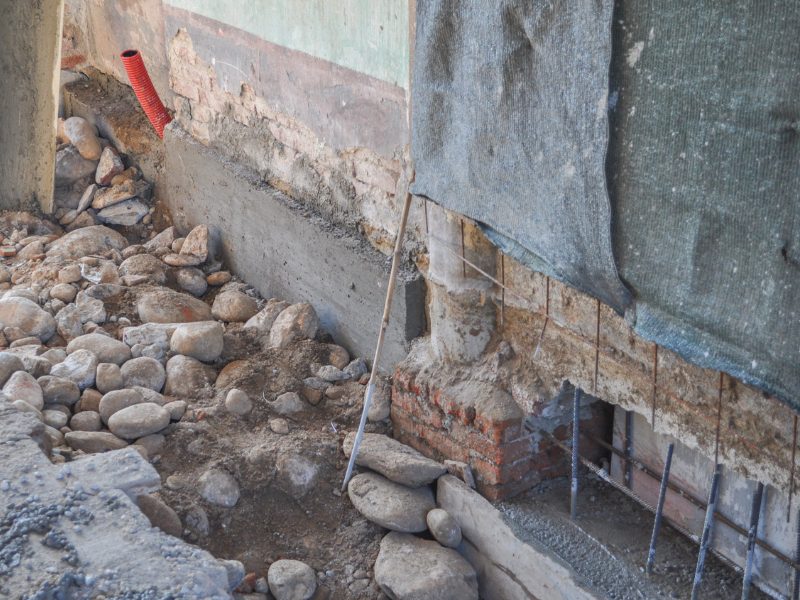
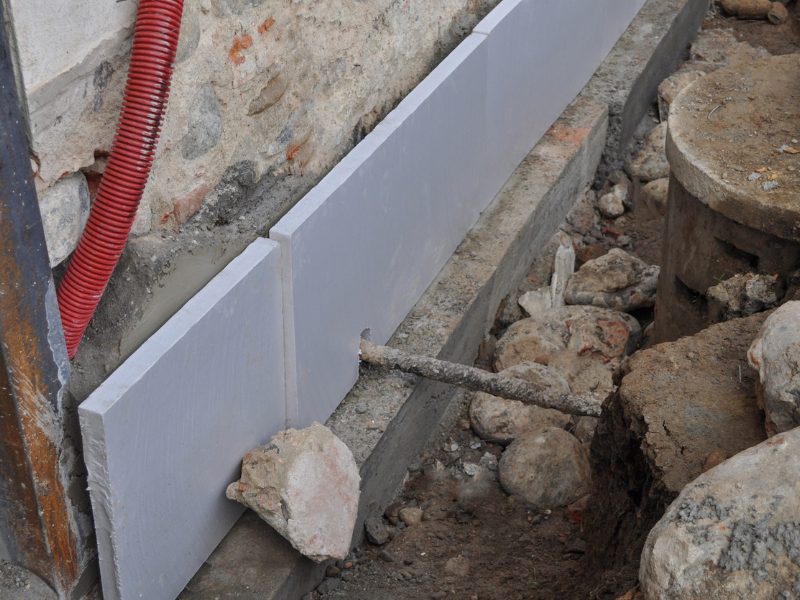
- New concrete piers or mass piles extend beneath existing footings, transferring loads into deeper strata.
- Reinforced beams or “needle” elements tie multiple zones together, sharing loads across weakness areas.
- Screw piles or micro‑piles resist uplift, lateral movement or settlement in challenging soils.
- Composite systems combining steel and concrete produce stiffer, more deflection‑resistant foundations.
That enhanced stability means less differential movement, sagging, or stress on finishes. You can confidently explore underpinning foundation solutions designed to prevent damage, knowing the technique is engineered, not guesswork.
How does underpinning house foundation lower repair costs?
While the initial expense may appear high, underpinning often reduces total lifecycle costs by halting damage before it multiplies across walls, floors, and systems. In practice, that translates into clear monetary savings. Here are the cost benefits:
- You avoid repeated patching or cosmetic crack repairs that only address symptoms—not root movement.
- Structural fixes like bowed walls, warped joists, or sagged beams become rare if underpinning stabilises the base.
- Mechanical or plumbing damage incurred by shift/movement is mitigated, preventing rework or leaks.
- Major retrofit or demolition work later becomes less necessary, preserving components and lowering labour overheads.
Over a decade or two, the prevented damage often surpasses the initial cost of underpinning. That is why proactive structural work typically delivers the best ROI.
Final thoughts on underpinning house foundation stability
Underpinning house foundation delivers a long‑lasting structural remedy that guards against hidden movement and long-term deterioration. If your home shows signs of distress—or if you simply want assurance your foundation remains reliable—now is the time to get in touch with Raise & Relevel and explore whether underpinning is the right solution for your property.