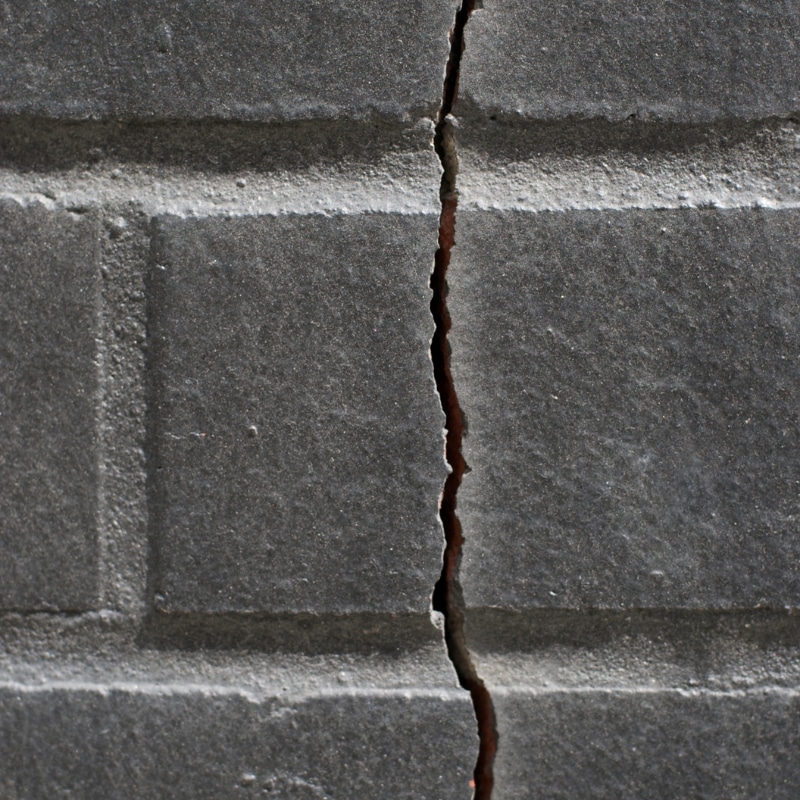
Foundation repair resolves structural issues such as subsidence, slab movement, and uneven floors by stabilising a home’s foundation using methods like underpinning and re-levelling. In Australia, where soil conditions and climate vary significantly, a professional inspection and the correct method selection are crucial to achieving long-term stability.
If you’ve noticed cracks forming, floors becoming uneven, or doors no longer closing properly, you may be dealing with more than general wear and tear. Across Australia, foundation problems affect homes of all ages, particularly in areas with reactive soils and extreme weather cycles.
This guide explains why houses sink, the most common foundation problems in Australian properties, how they’re repaired, what influences the scope and cost of repairs, and when homeowners should take action.
What Does It Mean When a House Is Sinking?
A sinking house is usually the result of foundation movement, where the structure settles unevenly due to changes in the supporting ground. This movement places stress on walls, floors, and load-bearing elements.
In Australia, the foundation movement is commonly associated with:
• Soil expansion and contraction
• Moisture imbalance beneath slabs or footings
• Inadequate drainage
• Long-term ground settlement
While some movement can be seasonal and minor, ongoing or uneven settlement often indicates a deeper structural issue.
Why Foundation Problems Are Common in Australian Homes
Reactive Soil Conditions
Large areas of Australia sit on reactive clay soils that expand when wet and shrink during dry periods. This repeated cycle places constant pressure on foundations.
Climate Extremes
Droughts followed by heavy rainfall create rapid changes in soil moisture, increasing the likelihood of subsidence and slab movement.
Poor Drainage and Water Control
Water pooling near footings or flowing beneath slabs can erode supporting soil and accelerate movement.
Ageing Construction
Older homes were often built before modern soil classifications and movement allowances were well understood, making them more susceptible to issues today.
Standard Warning Signs Your House May Be Sinking
Foundation problems usually develop gradually, with warning signs becoming more noticeable over time.
Cracks in Walls and Ceilings
Warning signs include:
• Cracks that widen over time
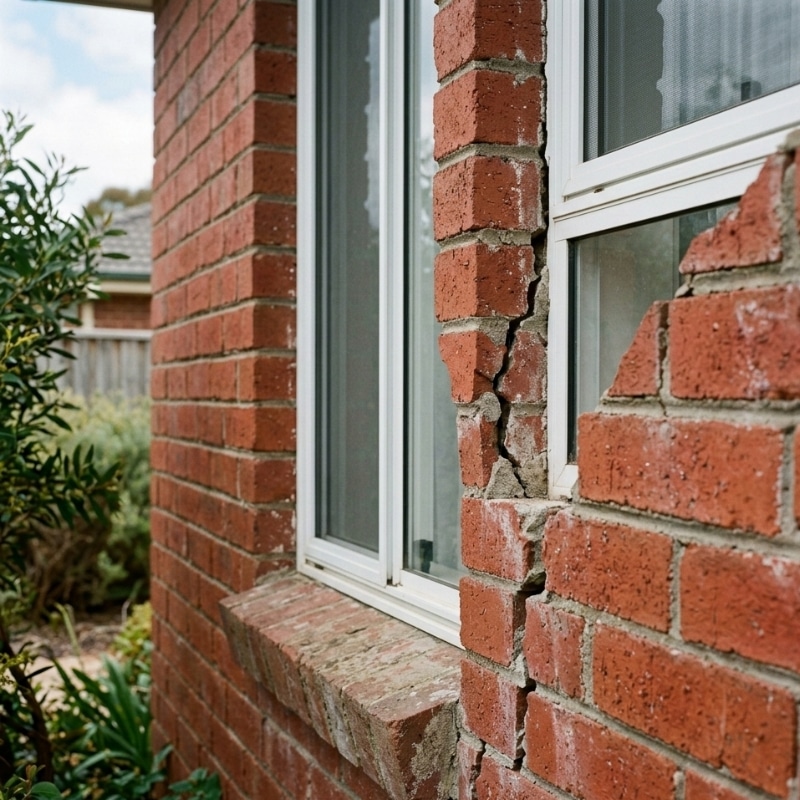
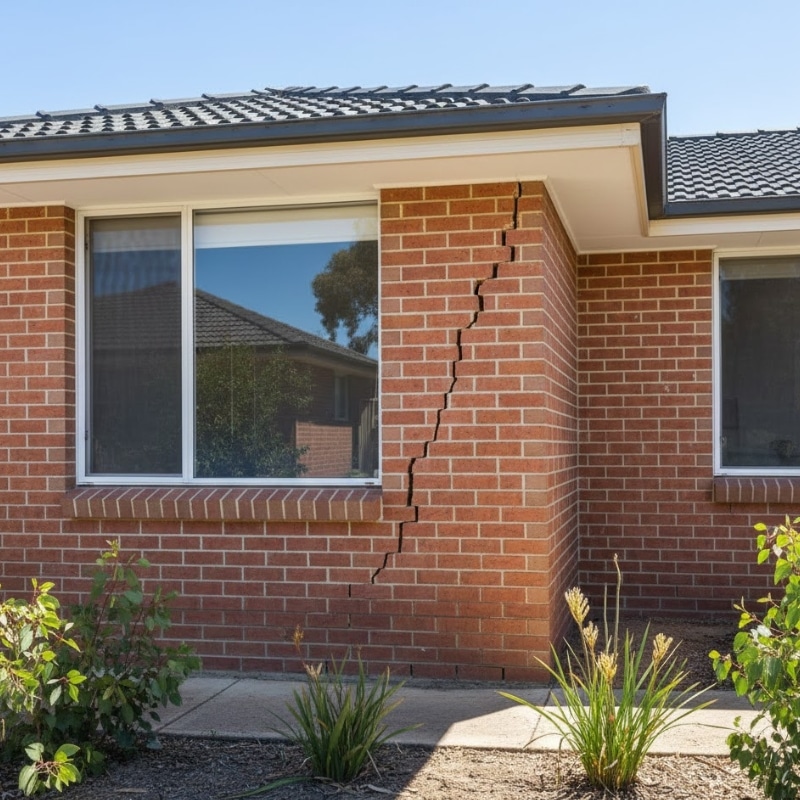
• Stair-step cracking in brickwork
• Cracks extending from windows or doors
• Repaired cracks that reappear
Uneven or Sloping Floors
Floors that slope, dip, or feel uneven underfoot are often linked to foundation imbalance.
Doors and Windows Sticking
As the structure shifts, frames twist, causing doors and windows to jam or misalign.
Gaps Around Skirting and Frames
Visible gaps between walls, ceilings, or skirting boards may indicate ongoing movement.
Cosmetic Damage vs Structural Foundation Problems
Cosmetic Issues
- Fine plaster cracks
- Minor seasonal changes
- No progression over time
These issues may only require monitoring.
Structural Issues
- Expanding or multiplying cracks
- Uneven floors are worsening over time
- Ongoing movement after cosmetic repairs
Structural issues require professional assessment and appropriate foundation repair.
Subsidence, Slab Movement, and Uneven Floors Explained
Subsidence
Subsidence occurs when supporting soil compresses or shifts, causing parts of the home to sink unevenly.
Slab Movement
Concrete slabs can shift when moisture levels beneath them change, resulting in cracking and stress throughout the structure.
Uneven Floors
Uneven floors are often a visible symptom of more profound foundation instability rather than a surface-level issue.
Foundation repair focuses on stopping further movement and restoring structural balance.
Foundation Repair Methods and When to Act
Common Foundation Repair Methods Used in Australia
Foundation repair is highly site-specific. The correct solution depends on soil behaviour, foundation type, and whether movement is ongoing.
Common methods include:
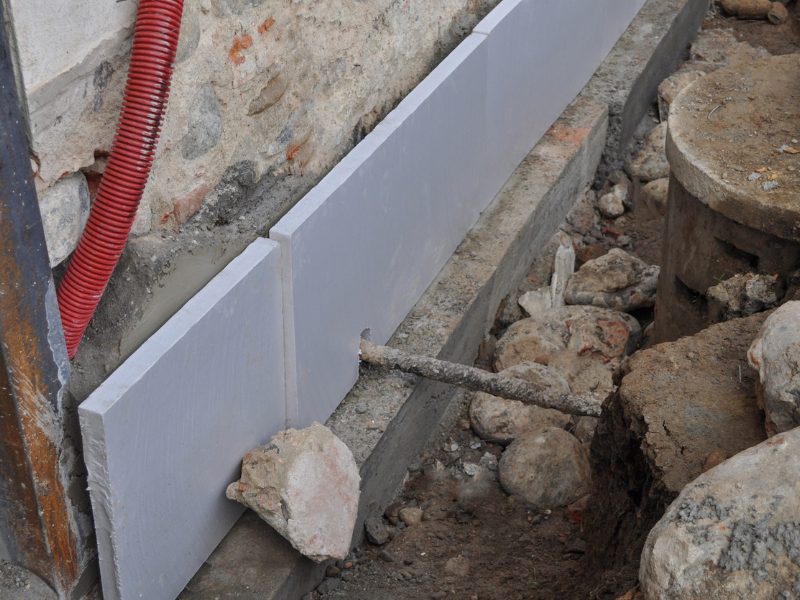
• Underpinning, which strengthens foundations affected by subsidence
• Re-levelling, used to correct uneven floors caused by differential settlement
• Crack injection and structural sealing, when movement has stabilised, but damage remains
• Foundation strengthening, where load-bearing capacity needs improvement
Selecting the wrong method can allow movement to continue, which is why assessment by specialists offering professional foundation repair services in Australia is essential.
When Australian Homeowners Should Act
You should act promptly if:
• Cracks are widening or recurring
• Floors continue to become more uneven
• Doors and windows progressively worsen
• Seasonal movement becomes permanent
Early intervention often allows for simpler, less invasive repair options and better long-term outcomes.
Foundation Repair Costs in Australia – What Influences Them
While costs vary and cannot be accurately estimated without inspection, several factors influence the scope and complexity of foundation repair.
Key factors include:
• Severity and duration of movement
• Soil type and moisture behaviour
• Type of foundation system
• Accessibility of affected areas
• Whether damage is localised or widespread
Addressing issues early typically limits the scope of repairs, while delayed action often results in more extensive structural work.
Diagnosing Foundation Problems Correctly
Professional diagnosis involves:
• Identifying movement patterns
• Assessing soil behaviour
• Determining whether movement is active or historical
• Evaluating structural impact
Based on findings, solutions may range from targeted repairs using concrete crack injection and repair solutions to structural stabilisation through expert underpinning services for sinking homes.
Can Foundation Problems Be Fixed Permanently?
Yes — when the underlying cause is addressed, and the correct repair method is used, foundation repairs can provide long-term stability.
Permanent outcomes rely on:
• Accurate diagnosis
• Correct method selection
• Experienced specialists
• Managing drainage and soil conditions
Temporary cosmetic repairs may hide symptoms, but won’t resolve structural movement.
Foundation Problems and Property Value in Australia
Unresolved foundation issues can affect:
• Property value
• Saleability
• Building and pest inspections
• Buyer confidence
Proactive repair protects both structural safety and long-term investment value.
Australian Standards and Foundation Movement
Australian geological and building authorities recognise soil movement and subsidence as significant structural risks. National guidance emphasises the importance of thorough inspection, sound understanding of soil conditions, and engineered repair solutions to achieve lasting outcomes, as outlined in Geoscience Australia’s guidance on ground movement and subsidence.
Frequently Asked Questions
Is foundation movement normal in Australia?
Minor movement can occur, but excessive or uneven movement should continuously be assessed.
Are cracks always serious?
Not all cracks indicate major issues, but worsening or recurring cracks should not be ignored.
Can foundation issues be fixed long-term?
Yes, when repaired correctly with methods suited to Australian conditions.
Final Thoughts for Australian Homeowners
If your house shows signs of sinking, acting early is the best way to protect your home. Understanding the causes, recognising warning signs, and choosing the correct repair method ensures long-term structural stability.
Foundation problems can be resolved — but only when they are appropriately addressed.