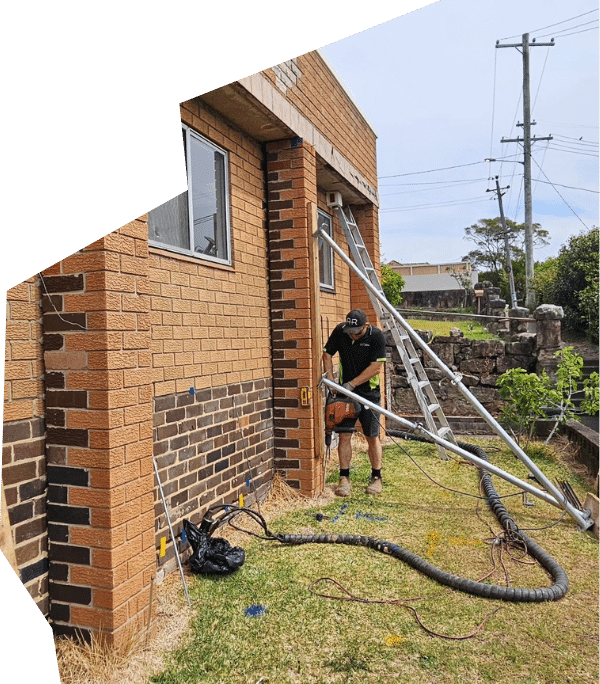
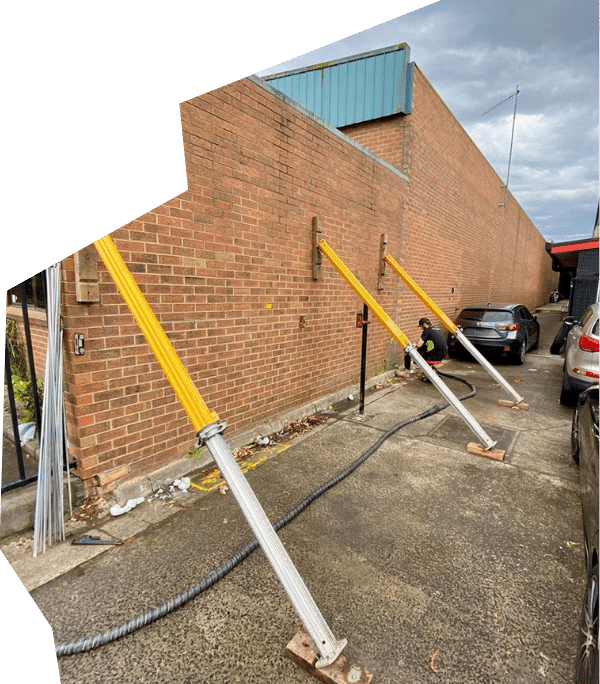
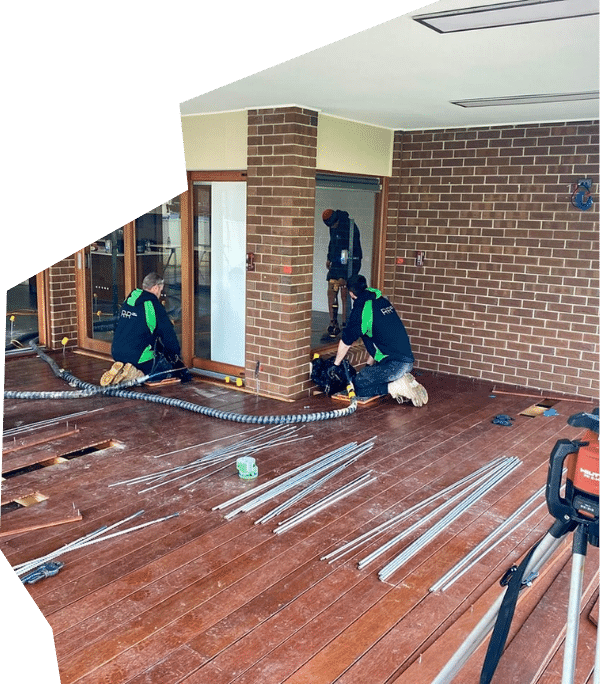
Whether a crack is urgent depends far more on how it changes over time than on how wide it is on the day you first notice it. Movement over time is the signal, not a snapshot, which is why the pencil-and-date test above matters more than a single measurement.
What is urgent: cracks wide enough to fit a finger into; doors that will no longer close at all, not just stick; visible separation at the roofline; anything affecting a load-bearing wall.
What is usually not urgent: hairline cracks that have not changed in years; minor seasonal opening and closing of an existing fine crack; cosmetic cracking confined to render or cornices.
Crack width categories referenced by structural engineers are from AS 2870, and rather than publish approximate millimetre bands here, we recommend having a specific crack assessed directly against the standard. Whatever the pattern, the next step for anything beyond hairline, unchanging cracks is a proper assessment rather than a guess.
What causes subsidence in Australian homes
Subsidence in Australia is mostly driven by reactive clay and the seasonal moisture cycle, which behaves differently to the conditions covered in UK guides you may have come across, where clay content, rainfall patterns and drainage practices differ significantly.
Reactive clay and the seasonal moisture cycle
Reactive clay swells the ground in wet periods and shrinks it in dry ones. It is the dominant cause across most of the country. Melbourne sits on a mix of reactive clay through parts of the west and north and sandier profiles closer to the bay, so the same symptom can have a different underlying cause depending on where the property sits.
Drought, storms and flood water
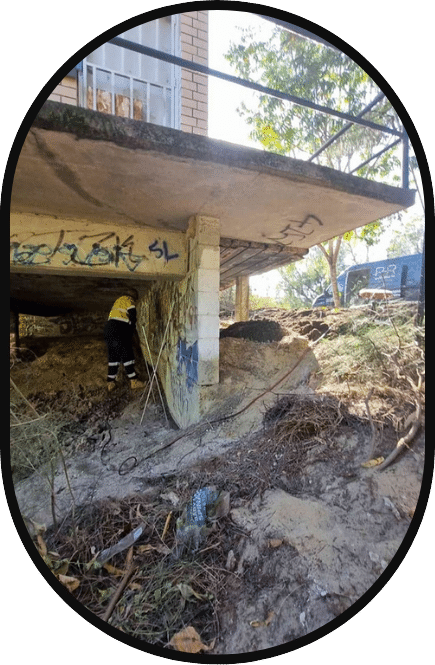
Prolonged dry spells shrink clay away from footings and can leave voids beneath them. Storm and flood water does the opposite kind of damage, washing supporting material out from beneath footings.
Tree roots
Large trees draw moisture from the clay on one side of a house more than on the other, which is often why the worst cracking appears on the side nearest a mature tree.
Leaking stormwater or sewer lines
A cracked pipe, a blocked downpipe, or a disconnected gutter saturates one corner of a site over time, softening the ground only under that part of the house.
Poorly compacted fill and older footings
Fill that was never properly compacted, particularly on cut-and-fill blocks, settles under load. Older footings built before current standards accounted for reactive soil behaviour are more exposed to all of the above.
These causes rarely act alone. A property with moderately reactive clay might sit undisturbed for years until a nearby tree matures enough to draw significant moisture from one side of the yard, or until a gutter starts overflowing during heavier storms than the drainage was designed for. The underlying soil sets the risk, but it is often a specific, identifiable trigger that turns a stable site into one showing active movement. This is exactly why a site-specific assessment matters more than a general description like this one.